
Top Ferrous Sulfate Pills Uses and Benefits
Ferrous Sulfate Pills are a commonly used iron supplement for people with confirmed iron deficiency or iron-deficiency anemia. Iron helps the body make hemoglobin, the protein in red blood cells that carries oxygen. When iron stores are low, fatigue, weakness, or reduced exercise tolerance may occur, although these symptoms can have many causes.
A clinician may recommend treatment after reviewing symptoms and blood tests, such as ferritin and hemoglobin levels. The right dose and duration depend on the person, not just the product label. Too much iron can be harmful, so supplements should be kept away from children. Iron can also interact with some medicines, and calcium-rich foods or drinks may affect how well it is absorbed. Follow a healthcare professional’s instructions.
Some people notice improvement as their iron levels recover, but results take time. Stomach discomfort, constipation, nausea, and darker stools are possible. Dark stools are often expected with iron, but severe pain, vomiting, or unusual symptoms deserve medical advice. The label can look simple; real-life use is less tidy. This guide explores common uses, potential benefits, practical considerations, and questions to discuss with a healthcare professional. Iron may help when deficiency is the problem, but it is not a general remedy for tiredness.
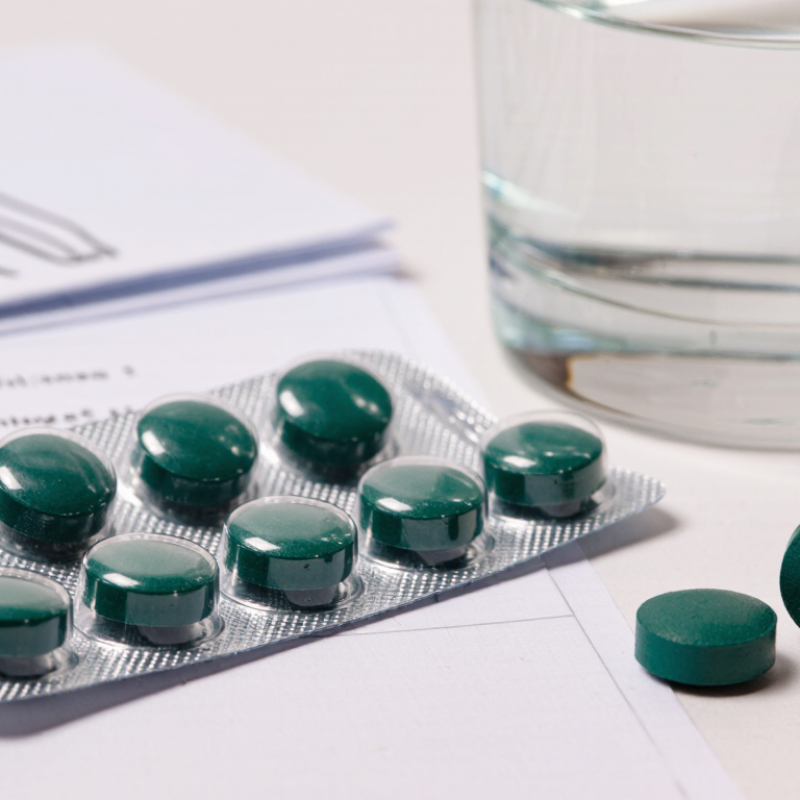
What Ferrous Sulfate Pills Are and How They Work
Ferrous sulfate pills contain iron in a form the body can use to make hemoglobin, the protein in red blood cells that carries oxygen. They are commonly recommended to treat iron deficiency and, in some cases, prevent it when a person’s needs are higher. A tablet’s total weight is not the same as its elemental iron content, so the label and prescribed directions matter. More is not automatically better.
After a pill is swallowed, iron is absorbed mainly in the small intestine and used to support red blood cell production. With treatment, some people notice improved energy as iron levels recover, though this can take time and tiredness has many possible causes. The details matter. Ferrous sulfate may cause nausea, constipation, or dark stools; taking it with food can ease stomach upset, but may reduce absorption. A clinician or pharmacist can advise on timing and possible interactions with calcium, antacids, or other medicines. Iron pills are not a general energy supplement, and excess iron can be harmful. Not every kind of anemia responds to iron.
