
Top 10 Fanless PC Manufacturers for Global Buyers
Fanless Pc systems are moving from niche installations into mainstream industrial computing. They fit where dust, vibration, and limited airflow make conventional cooling unreliable. A sealed unit mounted beside a production line can avoid fan maintenance, but it still needs careful thermal design. Small details matter.
The market context is clear. The International Federation of Robotics reported 541,302 industrial robot installations worldwide in 2023, with 4.28 million robots operating in factories. These figures do not measure fanless-PC sales, but they show the scale of automated environments that depend on dependable computing. Buyers still need to compare processor performance, operating-temperature ranges, ingress protection, connectivity, service life, and support. A low purchase price may not mean a lower total cost.
This Top 10 guide compares manufacturers for global buyers, focusing on product capability, customization, certifications, and after-sales reach. It also recognizes a limitation: the supplied material contains no verifiable quotation from a named Fanless Pc industry expert. Rather than invent one, this introduction relies on the cited IFR data and practical selection criteria. Readers should verify specifications against each manufacturer’s current documentation before choosing a system.
Fanless PC Fundamentals: Passive Cooling, CPU TDP, and Thermal Limits
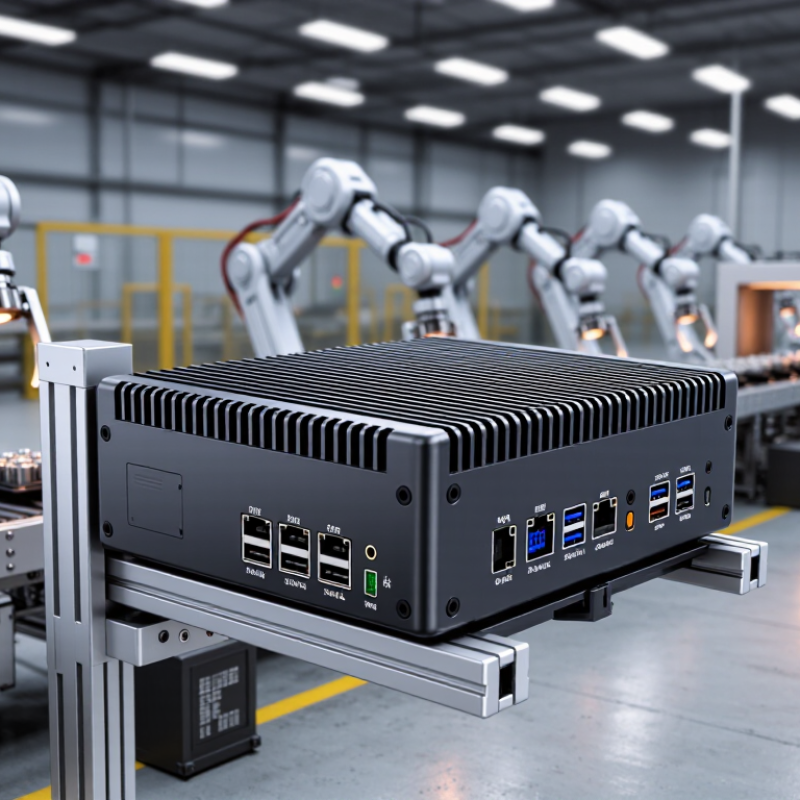
Fanless PCs move heat through conduction and natural convection, so the enclosure is part of the cooling system. A processor’s thermal design power (TDP) is a design reference, not a guaranteed maximum draw. Turbo bursts, sustained workloads, and nearby heat sources can push actual temperatures higher. A compact aluminum case may feel cool on its fins while the processor approaches its thermal limit.
Thermal figures need context. JEDEC’s JESD51-12 guidance explains that package thermal metrics depend on test conditions and should not be treated as universal real-world values. ASHRAE TC 9.9’s 2021 Thermal Guidelines give 18–27°C as a recommended inlet range for data-center equipment; that range is not a blanket operating limit for every embedded PC. Small details matter. Compare the unit’s rated ambient range with the site’s hottest expected air temperature, not just the room’s average.
Ask manufacturers for sustained-load test results, the test ambient, and the chassis mounting position. Then run the intended workload with the actual storage, memory, and peripherals installed. Watch processor temperature and clock speed over time; a brief benchmark can miss thermal throttling after the case heat-soaks. Dust, blocked vents, or a panel mounted against a wall can change results. A datasheet can still mislead if it omits these conditions.
