
How to Choose Vacuum Insulated Panels for Walls
Walls are quiet energy consumers. In a cold morning, heat slips through studs, joints, and poorly insulated corners before anyone notices. The 2023 Global Status Report for Buildings and Construction, published by UNEP and GlobalABC, estimated that buildings and construction accounted for 34% of global energy demand and 37% of energy- and process-related CO₂ emissions in 2022. Those figures make better wall insulation worth examining, but they do not make every product suitable for every project.
Vacuum Insulated Panels For Walls can provide high thermal resistance in a slim profile, which matters where window reveals, room space, or retrofit constraints limit thickness. Yet performance depends on more than the panel’s headline conductivity. Check its declared aged thermal value, dimensions, facing material, and tested fire performance. Then inspect the details: a punctured envelope, an uninsulated joint, or a poorly planned fixing can undermine the intended result. Small gaps matter.
IEA Executive Director Fatih Birol has described energy efficiency as “the first fuel”—a useful principle when weighing insulation choices. For a wall, compare whole-assembly performance, not just the panel. Ask how edges, fasteners, moisture control, and replacement will be handled. A panel may look excellent on a data sheet; the installed wall can tell a less tidy story. The right choice is the one that fits the building, the climate, and the installer’s ability to protect it. My caveat: product data alone cannot promise a good wall.
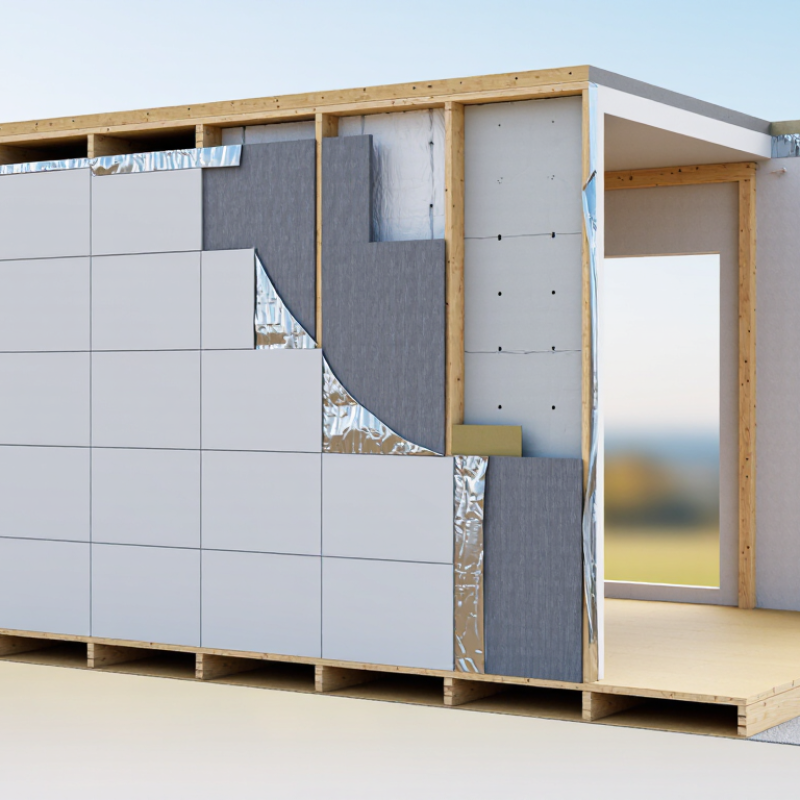
Assess Wall Climate, Assembly, and Required Thermal Performance
Choosing vacuum insulated panels (VIPs) for a wall starts with the local climate. In cold regions, the assembly must limit heat loss and manage indoor moisture. In hot, humid areas, solar gain and vapor movement may matter more. Check seasonal conditions, indoor humidity, and the wall’s drying direction before selecting a panel.
Then assess how the VIPs fit the full wall assembly. Cladding, drainage space, sheathing, framing, and interior finishes all affect performance. Compare the wall’s calculated thermal value, not just the panel’s center-of-panel rating. Panel joints, fasteners, and framing can create thermal bridges. Small gaps matter. VIPs can be damaged by cutting or puncturing, so confirm dimensions and installation details before ordering. No trimming.
Set a clear thermal target for the complete wall, then check whether the proposed assembly can meet it under real installation conditions. Ask for tested performance data and guidance on edge losses, moisture control, and attachment methods. A highly insulating panel may look ideal on paper, yet awkward joints or site constraints can reduce its benefit. I would review a wall mock-up where practical; plans rarely reveal every fit problem. That extra check can feel slow, but replacing damaged panels later is worse.
