How to Choose the Right Wheels for Your Vehicle?
Choosing the right wheels for your vehicle involves more than matching a stylish finish to your paintwork. Wheels influence handling, braking clearance, ride comfort, fuel use, and tire performance. A polished 20-inch design may look impressive outside a showroom. However, it can feel harsh on broken city roads.
Carroll Shelby, a respected automotive performance expert, famously said, “There is no such thing as too much horsepower, just not enough traction.” His words highlight an important truth. Wheels must work with your tires and suspension, not compete with them. Before buying, check diameter, width, offset, bolt pattern, center bore, and load rating. One wrong measurement can create vibration, uneven tire wear, or unsafe clearance near the brake caliper.
Start with your vehicle manufacturer’s specifications. Then consider how you actually drive. Daily commuters may value lighter wheels and stronger sidewalls. Track-focused drivers may prefer wider wheels, but they still need proper fitment. Check the inner barrel carefully. A wheel can appear suitable while touching the suspension during a full steering turn.
Material matters, too. Cast aluminum wheels often cost less, while forged wheels can offer lower weight and greater strength. That does not make every forged wheel the best choice. Certification, testing, and installation quality matter more than marketing language.
I have learned that appearance often leads the decision. That is understandable. Still, it can be a costly mistake. The best wheels balance safety, compatibility, comfort, and personal style. Leave room for doubt, measure twice, and choose performance you can trust.
Understand Your Vehicle’s Wheel Specifications and Requirements
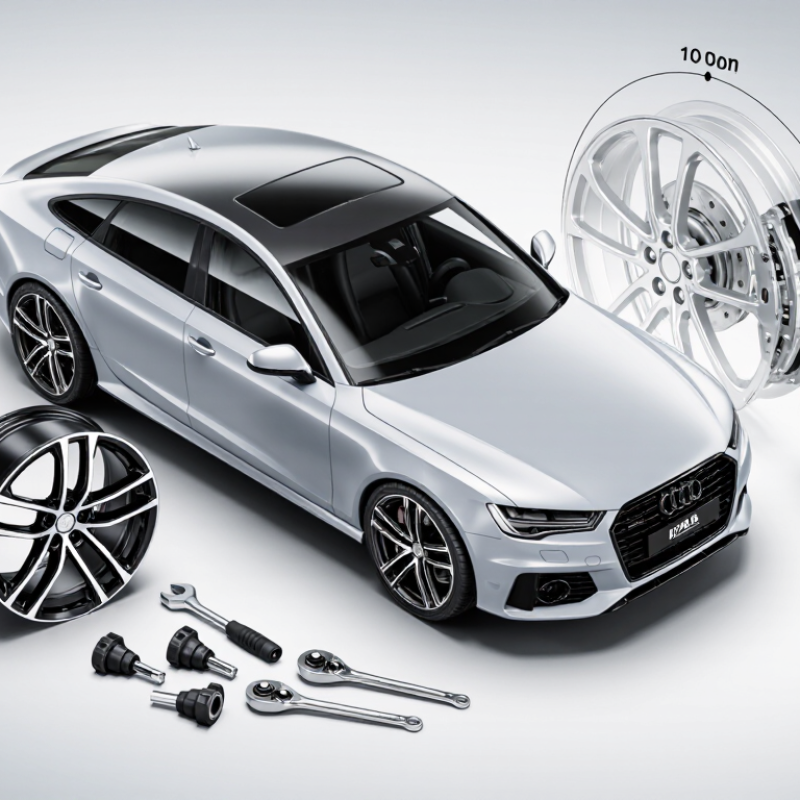
Choosing the right wheels begins with your vehicle’s specifications, not appearance. Check the owner’s manual, door-jamb label, and current wheel markings. Record diameter, width, bolt pattern, offset, center bore, and load rating. A wheel can fit the bolts but still fail clearance checks.
The Tire and Rim Association Year Book provides dimensional and load standards for many wheel and tire combinations. Use it with the vehicle manufacturer’s limits. The Society of Automotive Engineers also references impact and fatigue testing for replacement wheels. These details matter near brake calipers, suspension parts, and wheel arches. Offset deserves special attention. Excessive outward offset can increase steering effort and bearing stress. Excessive inward offset may touch suspension components. I once focused too much on diameter. That was a mistake. Width and load capacity often matter more.
Tips: Match or exceed the original wheel’s load rating. Confirm the bolt pattern precisely. Measure clearance with the steering fully turned. Check tire pressure afterward. The U.S. Department of Energy reports that properly inflated tires can improve fuel economy by up to 3 percent. Pressure should follow the vehicle label, not the maximum number cast on the tire sidewall. For uncertain fitment, request a written specification sheet and have a qualified technician verify brake, hub, and suspension clearance. Small differences matter.
| Wheel Specification | What to Check | Common Passenger-Vehicle Examples | Selection Requirement |
|---|---|---|---|
| Wheel Diameter | The diameter of the wheel where the tire mounts, measured in inches. | Common sizes include 15, 16, 17, 18, and 19 inches. | Match the approved diameter range listed in the owner’s manual or vehicle placard. A larger diameter normally requires a lower-profile tire to maintain a similar overall tire diameter. |
| Wheel Width | The inside width between the tire-mounting flanges, measured in inches. | Typical passenger-vehicle widths range from approximately 6 to 9 inches. | Choose a width approved for the selected tire size. Excessive width can affect tire seating, handling, clearance, and fuel consumption. |
| Bolt Pattern | The number of wheel fasteners and the diameter of the circle through their centers, such as 5 × 114.3 mm. | Common patterns include 4 × 100 mm, 5 × 100 mm, 5 × 112 mm, 5 × 114.3 mm, and 5 × 120 mm. | The wheel bolt pattern must exactly match the vehicle hub. Do not force a wheel with a different pattern into place. |
| Center Bore | The diameter of the wheel’s center hole, measured in millimeters. | The center bore varies by vehicle and wheel design; there is no universal passenger-vehicle size. | The bore must be equal to or larger than the vehicle hub diameter. A larger bore may require correctly sized hub-centric rings. |
| Offset | The distance between the wheel’s centerline and its mounting face, expressed in millimeters: positive, zero, or negative. | Many modern passenger vehicles use positive offsets, often roughly between +35 and +55 mm, but the approved value is vehicle-specific. | Stay close to the original or manufacturer-approved offset. Incorrect offset can cause suspension, brake, fender, or steering interference. |
| Load Rating | The maximum weight one wheel is designed to support, usually shown in kilograms or pounds. | The required rating differs by vehicle weight, axle loading, body style, and intended use. | Each wheel must meet or exceed the vehicle’s required wheel load rating. Never select wheels based only on appearance or diameter. |
| Tire Compatibility | The tire’s approved rim-width range, diameter, load index, speed rating, and overall diameter. | A tire marked 225/45R17 is designed for a 17-inch wheel, but its permitted rim width must still be verified. | Use a tire approved for the wheel width and maintain load and speed ratings that meet or exceed the vehicle’s requirements. |
| Brake Clearance | Clearance between the wheel barrel, spokes, and brake calipers or rotors. | Two wheels with the same diameter can have different spoke shapes and internal clearances. | Confirm fitment with a vehicle-specific wheel guide or physical test fit, especially after brake upgrades or when changing wheel design. |
| Fender and Suspension Clearance | Space between the tire and the fender, strut, control arm, and inner wheel housing during steering and suspension movement. | Clearance can change with wheel width, offset, tire size, ride height, and suspension modifications. | Check clearance at full steering lock and through full suspension travel. The tire must not rub under normal driving conditions. |
| Fastener Type and Seat | The required lug nut or wheel bolt thread, length, diameter, and seating style, such as conical or ball seat. | Thread dimensions and seat designs vary between vehicles and wheel types. | Use fasteners that match both the vehicle hub and the wheel seat. Incorrect fasteners can prevent proper clamping and may be unsafe. |
| Construction and Material | Wheel material and manufacturing method, commonly steel or aluminum alloy, along with certification and impact performance. | Steel wheels are generally durable and economical; alloy wheels are often lighter and provide more design options. | Select wheels intended for the vehicle’s road conditions and verify that they meet applicable safety and certification requirements. |
| Seasonal and Road Conditions | Exposure to snow, salt, potholes, off-road surfaces, high temperatures, or frequent carrying loads. | Winter use may require a separate wheel-and-tire set; rough roads may favor a stronger wheel with adequate sidewall height. | Prioritize durability, corrosion resistance, and sufficient tire sidewall for the intended environment rather than choosing size alone. |
