How to Choose the Right Welding Machine for Your Needs?
Choosing a welding machine starts with the work, not the biggest number on the product label. Will you repair a steel gate, build a thin-sheet project, or weld aluminum? Each task can point toward a different process, such as stick, MIG, or TIG. A Machine Welding Machine is not one universal tool; the right choice depends on material, thickness, power supply, and your experience.
Picture a small workshop with a 120-volt outlet and limited bench space. A portable machine may suit occasional repairs, while heavier, frequent work can call for higher output and a suitable duty cycle. Check the manufacturer’s specifications for supported processes, material ranges, input power, and recommended consumables. Also consider controls you can understand, replacement parts you can source, and appropriate protective equipment and ventilation. These details matter more than a flashy feature list.
There is no perfect pick. A machine that handles one project well may feel limiting on the next. Before buying, list your common jobs and the thickest material you expect to weld. Compare that list with the machine’s rated capabilities, then ask a qualified welding supplier or instructor about any unclear specifications. I may be missing a detail that matters in your workshop, so verify the power supply and setup before purchase. A careful match saves frustration—and helps you develop sound, consistent habits.
Identify Your Welding Projects and Skill Level
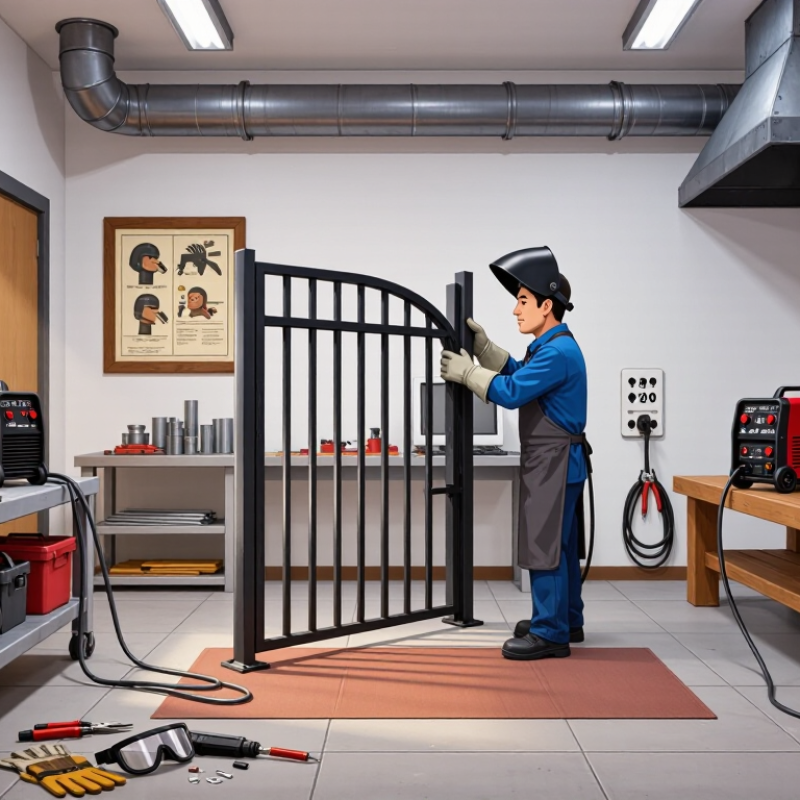
Start with the work you actually plan to do. Repairing a garden gate is different from building thin-sheet metal panels. Note the metals, their thickness, and where you will weld. A small indoor project may favor a different setup than repairs outdoors, where wind can affect gas-shielded welding. Also check the power available in your workspace. A machine’s maximum output matters less if your household circuit cannot support it.
Your skill level should shape the controls and process you choose. Beginners may find a machine with clear settings easier to learn on, while experienced welders might value finer adjustment for varied materials. Stick welding can suit outdoor repairs, but its slag cleanup and technique take practice. MIG welding can feel more approachable for many common projects, though it still requires steady feeding and suitable shielding. TIG work offers precise control, but coordination takes time. It is easy to underestimate the learning curve. Start with scrap metal of similar thickness, and inspect each weld for gaps or uneven penetration before working on a finished piece.
Tips: Write down your three most likely projects before shopping. Match the machine’s process, output range, and power needs to those jobs. If you are unsure, ask an experienced welding instructor to review your plan.
