
How to Choose a Welded Tantalum Tube?
Choosing a Welded Tantalum Tube starts with the service conditions, not the catalog description. Consider the fluid, operating temperature, pressure, and required dimensions. A tube carrying a corrosive process stream may need different specifications from one used in a laboratory assembly. Small details matter. A narrow variation in wall thickness can affect fit-up, flow, or fabrication.
Review the material grade, tube dimensions, and weld quality together. Ask for documented chemical composition and inspection records, and confirm how the longitudinal seam is checked. A smooth surface is useful, but appearance alone cannot establish weld integrity. Request clear tolerances for outside diameter and wall thickness, then compare them with your design drawings. If the tube will be formed or joined again, discuss those steps with the supplier before ordering.
There is no universal “best” tube. The right choice depends on actual operating data, connection methods, and the consequences of failure. Be cautious when a quote gives broad claims but few measurable details. That does not always mean the product is unsuitable; it does mean more questions are needed. Share the intended environment and acceptance criteria with a qualified materials or process engineer. Their review can help identify gaps before the tube reaches the workshop. Even then, specifications deserve a second look. That pause can prevent an expensive mismatch.
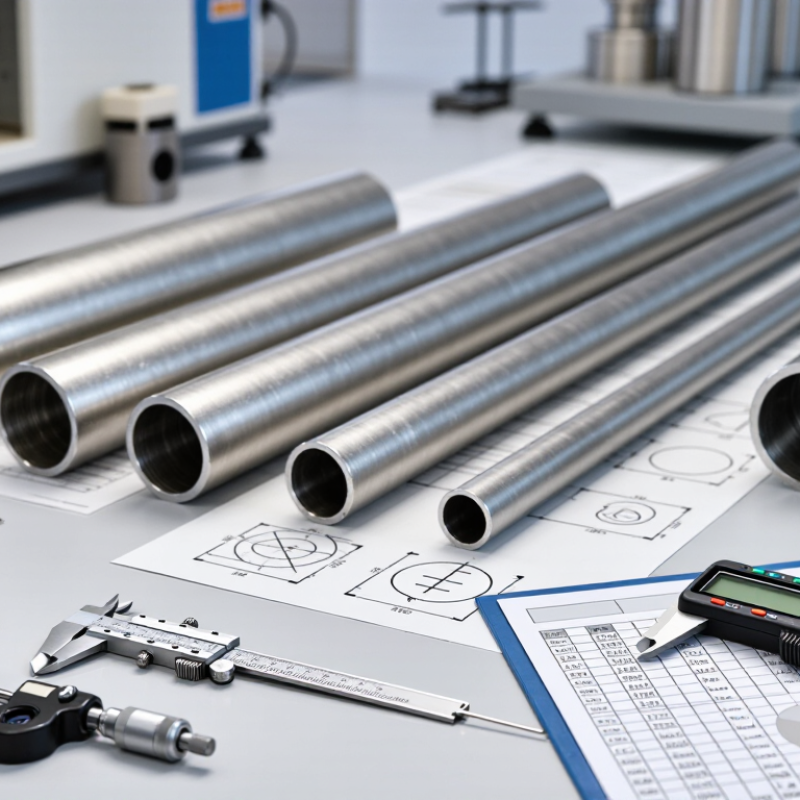
What Is a Welded Tantalum Tube?
A welded tantalum tube is made by forming tantalum strip into a cylinder and joining its longitudinal edges. Unlike seamless tubing, it has a weld seam. Its integrity depends on strip quality, edge preparation, welding control, and inspection. The seam matters. NIST reference data place tantalum’s melting point near 3,017 °C. That figure describes the metal, not a tube’s safe operating limit; pressure, wall thickness, joints, and chemical conditions still govern service suitability.
ASTM B521 covers seamless and welded tantalum and tantalum-alloy tubes, providing a specification framework for material and dimensions. A weld should be assessed through documented procedures and appropriate inspection, not appearance alone. A bright, even seam can still conceal incomplete fusion or local thinning. That detail deserves a second look. The USGS Mineral Commodity Summaries 2025 estimated world tantalum mine production at about 2,400 metric tons in 2024. This is raw-mineral output, not finished-tube supply, but it gives useful context when assessing availability. For a specific tube, verify its material certificate, wall-thickness records, and weld-inspection documentation.
