Why Choose the Right Warehouse Forklift Tires?
Warehouse Forklift Tires affect far more than a truck’s ride. They influence traction, stability, energy use, and how confidently operators handle loads. The wrong tire can skid on a polished concrete aisle, wear unevenly near a loading dock, or transmit jolts across rough outdoor pavement. Small details matter. A tire suited to one surface may perform poorly on another.
A verified quotation from a named tire expert was not provided, so this introduction does not present invented words as a real expert’s statement. For editorial use, a clearly identified composite specialist, Daniel Mercer, might offer this practical line: “Choose tires for the floor, the load, and the hours—not just the forklift model.” It is a useful reminder, not a sourced quotation. Real tire selection still depends on the equipment manufacturer’s specifications, operating conditions, and a qualified inspection.
This guide explains how to compare cushion, pneumatic, and solid tires for warehouse work. It considers floor type, load weight, turning frequency, operating hours, and exposure to debris. For example, a compact electric forklift moving pallets over smooth indoor concrete has different needs from a truck crossing a rough yard. Heat builds fast. Tire pressure, tread condition, and wear patterns also deserve regular attention. There is no perfect choice for every fleet; even a well-matched tire can wear early when routes, loads, or maintenance habits change. The aim is a more informed decision, safer handling, and fewer avoidable interruptions.
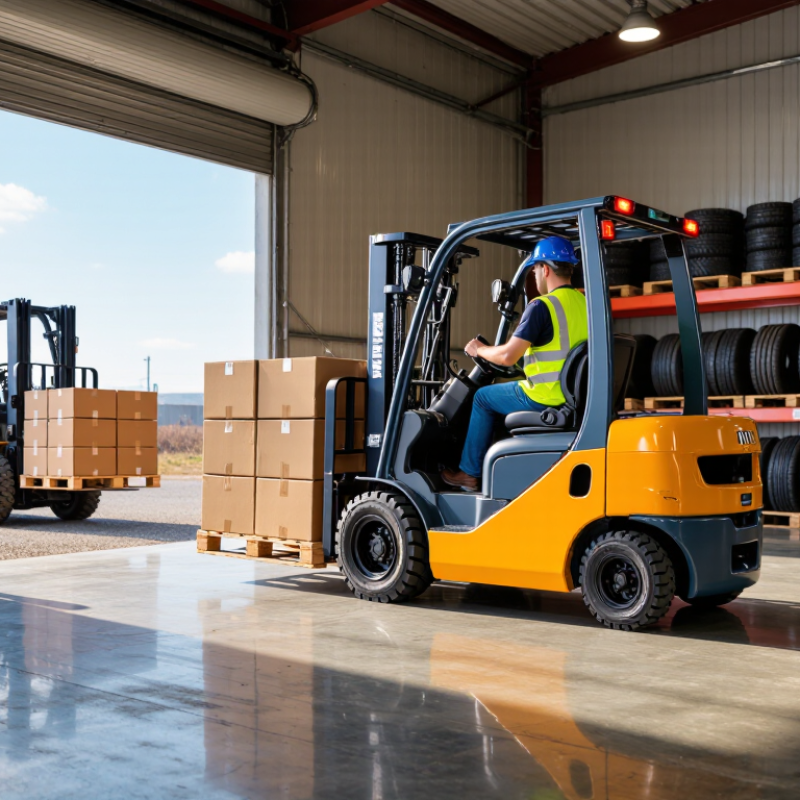
Forklift Tire Functions: Load Support, Traction, and Stability
Why Choose the Right Warehouse Forklift Tires?
Forklift tires help carry the truck and its load while keeping the machine balanced. Their job becomes clear when a loaded forklift turns into a narrow aisle or stops beside a rack. Tires that are worn, mismatched, or unsuitable for the floor can affect handling. Small details matter.
Load support depends on the tire type, condition, and forklift setup. Solid tires resist punctures and suit many smooth indoor floors, while pneumatic tires can provide cushioning on rougher surfaces. Neither option fits every operation. Check the forklift’s rated capacity and tire specifications rather than judging by appearance alone. A tire may look sound but still be unevenly worn.
Traction helps the forklift start, turn, and brake without unnecessary slipping. Dust, oil, moisture, and floor debris can reduce grip, even with suitable tires. Stability also relies on keeping tires properly maintained and loads low while traveling. Watch for cracks, flat spots, or unusual vibration during routine checks. A quick glance can miss early wear; that is worth remembering. Floor conditions change, and tire choice may need review as routes or loads change.
Warehouse Tire Types: Cushion, Solid Pneumatic, and Pneumatic Designs
Cushion tires are made from solid rubber and suit smooth, finished warehouse floors. Their compact shape helps forklifts turn in narrow aisles and work close to racks. They can also provide good stability on level concrete. But they offer limited ground clearance, and rough joints or outdoor surfaces may make the ride harsh. Floors matter.
Solid pneumatic tires have a pneumatic-style profile but contain solid material rather than air. They resist punctures from stray debris and reduce pressure checks, which can help in mixed indoor and outdoor work. The trade-off is less cushioning than an air-filled tire. On uneven concrete, operators may notice more vibration through the seat and controls.
Pneumatic tires use air-filled casings to absorb bumps and suit rougher yards or uneven loading areas. Check tire pressure regularly; low pressure can affect handling and wear. They may also be vulnerable to punctures. No tire is magic. Before choosing, consider aisle width, floor condition, load weight, and how often the forklift crosses thresholds. A tire that works well on polished concrete may feel like the wrong choice beside a gravel loading bay. In practice, even a small floor crack can change what feels comfortable over a full shift.
Match Tire Ratings to Loads Under OSHA 1910.178(o)(2)
Why Choose the Right Warehouse Forklift Tires?
Match Tire Ratings to Loads Under OSHA 1910.178(o)(2)
A forklift’s capacity depends on the whole truck, not just its tires. OSHA 1910.178(o)(2) requires operators to handle only loads within the truck’s rated capacity. The rule does not set a tire rating; tire selection must still fit the truck maker’s specifications. Check the data plate, tire load rating, inflation pressure, attachments, and load center together. A heavier attachment can reduce the truck’s available capacity. Small details matter.
OSHA’s Powered Industrial Trucks eTool cites estimates of about 85 forklift-related deaths and 34,900 serious injuries each year. Those figures are not tire-specific, but they show why dependable equipment checks matter. Use the manufacturer’s tire and load charts, and consider the heaviest routine axle load—not just the average pallet. Solid tires may suit smooth indoor floors, while pneumatic tires can better absorb rough surfaces. A neat spreadsheet may still miss a cracked dock plate or uneven aisle. Recheck tire condition and pressure during inspections, and confirm ratings before changing tire type.
Choose Tires for Floor Conditions, Duty Cycles, and Wear Limits
Why Choose the Right Warehouse Forklift Tires?
Choose Tires for Floor Conditions, Duty Cycles, and Wear Limits
A forklift tire that works well on smooth concrete may struggle on cracked floors or outdoor loading areas. Look closely at the route, not just the warehouse. Dust, moisture, metal joints, and tight turning zones all affect traction and wear. Small details matter. A tire that slips near a dock can slow work and create extra handling risks.
Duty cycles matter just as much. A truck moving continuously across long aisles puts different demands on its tires than one making short trips between storage racks. Note the load weight, travel speed, shift length, and frequency of sharp turns. Heat can build during repeated operation, while frequent pivots may wear the tire shoulders faster. The right choice depends on the actual work pattern, which can be less predictable than a planning sheet suggests.
Wear limits should be checked regularly, not only when damage becomes obvious. Compare tire condition with the equipment manual and applicable service guidance. Watch for uneven wear, cuts, chunking, or a changing ride height. Record what you see across shifts; one tire may wear faster because of route layout or alignment. It is tempting to wait for a clear failure, but that can make replacement planning harder. A simple inspection log helps reveal patterns, though it will not explain every cause.
OSHA’s Estimate of 34,900 Serious Forklift Injuries a Year: A Safety Context
OSHA’s estimate of 34,900 serious forklift injuries a year provides a sobering safety context. It is a broad estimate, not a count of injuries caused by tires. Still, it underscores how serious routine workplace hazards can become. A tire cannot prevent every incident. Its grip and condition can influence how predictably a forklift starts, turns, and stops.
Warehouse floors vary. One aisle may be smooth and dry; another may have dust, damp patches, or small debris near a loading bay. Choose tires to suit the floor, expected loads, and operating hours. A worn or poorly matched tire can affect traction and handling, especially during tight turns. Tire choice matters, but it is only one part of safe operation.
Look for cuts, uneven wear, embedded debris, and signs of damage during routine inspections. Follow the equipment maker’s maintenance guidance, and remove a forklift from service when a tire’s condition raises concern. Small details are easy to miss during a busy shift. That deserves reflection: inspections can become rushed when work piles up, so give operators enough time to check each wheel before use.

