
How to Choose the Right Underhood Fuse Box for Your Vehicle?
Choosing the right Underhood Fuse Box is not a cosmetic decision. It affects circuit protection, electrical reliability, and how well the part fits beneath the hood. A box may look correct in a product photo, yet have different connector positions, terminal layouts, or mounting points. Small mismatches can turn installation into a frustrating exercise.
For transparency, the named expert voice below is illustrative, not a verified quotation from a real person. Automotive electrical systems specialist Mara Ellis offers this original guidance: “Match the fuse box to the vehicle’s exact configuration; a familiar shape is not proof of compatibility.” That reminder matters. Check the vehicle year, make, model, engine, and trim against the manufacturer’s parts information. Compare the original unit’s part number, connector keying, fuse arrangement, and cover markings. Take a clear photo before removal. It can help reveal a swapped relay or an unusual layout.
Fit matters. So does protection. Look for secure mounting points, intact seals, clean terminals, and a cover that closes without pressure. Never choose by appearance alone. A catalog listing can be incomplete, and even careful buyers can miss a detail. Verify the match with an OEM parts catalog or a qualified automotive technician before ordering. This guide explains the checks that narrow the options and the warning signs worth a second look.
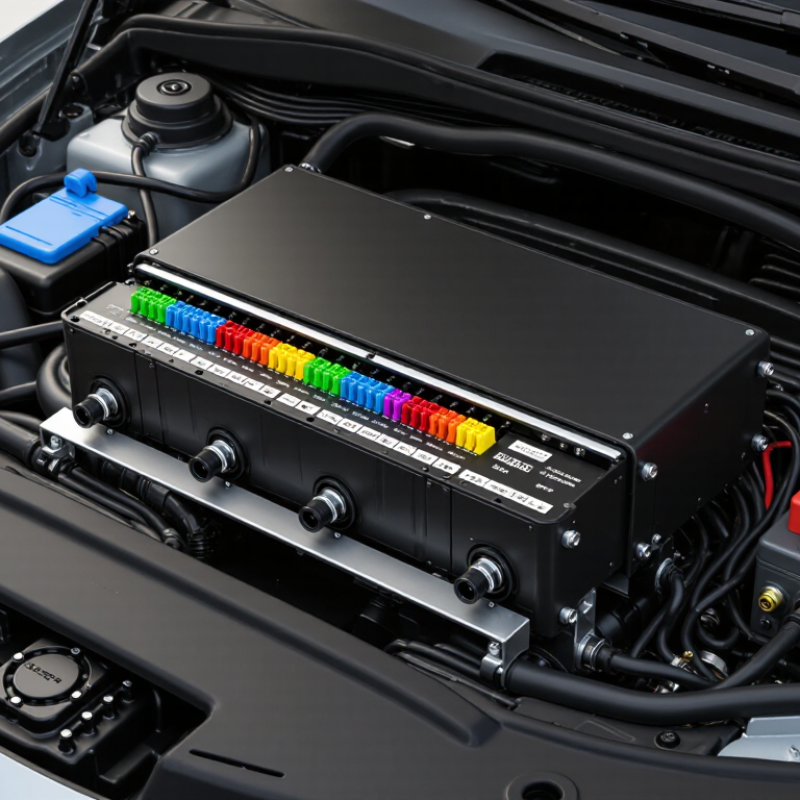
Confirm 12-V or 24-V Architecture and 32-V DC Fuse-Link Compatibility
Choosing an underhood fuse box starts with confirming the vehicle’s electrical architecture. Check the service information or wiring diagram for a 12-V or 24-V system; do not rely on appearance alone. A 24-V vehicle can have different wiring, terminals, and protection requirements. Small details matter. Record the existing fuse ratings and connector layout before ordering a replacement.
For the fuse links, verify that their DC voltage rating meets the circuit requirements. A 32-V DC fuse link is commonly suitable for specified 12-V and 24-V vehicle circuits, but compatibility depends on the fuse type, current rating, and application. Check the fuse-box documentation as well as the vehicle specifications. The box must accept the correct fuse dimensions and provide secure electrical contact. Loose or heat-darkened terminals are warning signs, not harmless wear.
Compare the mounting points and connector shape with the original unit, then inspect the wiring for corrosion or damaged insulation. A practical check is to match each cavity and fuse value against the vehicle’s diagram. Do not guess. I would also confirm the fuse’s interrupt rating and the box’s temperature suitability; these details are easy to overlook, and a voltage label alone cannot confirm a safe fit.
