
How to Choose Steel Pipe Machinery Accessories?
Choosing the right Steel Pipe Machinery Accessories can shape production quality, line stability, and maintenance costs. A guide roller that sits slightly out of alignment may leave marks on a pipe surface. A poorly matched cutting blade can create rough ends and extra finishing work. These details seem small. They are not.
The right choice depends on the pipe material, diameter range, wall thickness, production speed, and machine model. Check the accessory’s dimensions and mounting points against the equipment manual, then confirm its material and operating limits with the supplier. For example, a forming line handling thick-walled steel pipe may need more wear-resistant rollers than a line producing lighter tubes. Heat, vibration, and coolant exposure also affect service life. Specifications help, but actual operating conditions matter just as much.
Reliable suppliers should provide clear drawings, material information, tolerances, and practical guidance on installation and replacement. Ask how the accessory performs under conditions similar to yours, and review maintenance intervals rather than relying on a low purchase price alone. If possible, inspect a sample or test fit before ordering multiple units. Even experienced teams can overlook a small compatibility issue. I have seen selection discussions focus on price while neglecting setup time, which can distort the real cost. This guide explains what to check, which questions to ask, and how to compare options with care. There is no single accessory that suits every line. A measured decision is usually the safer one.
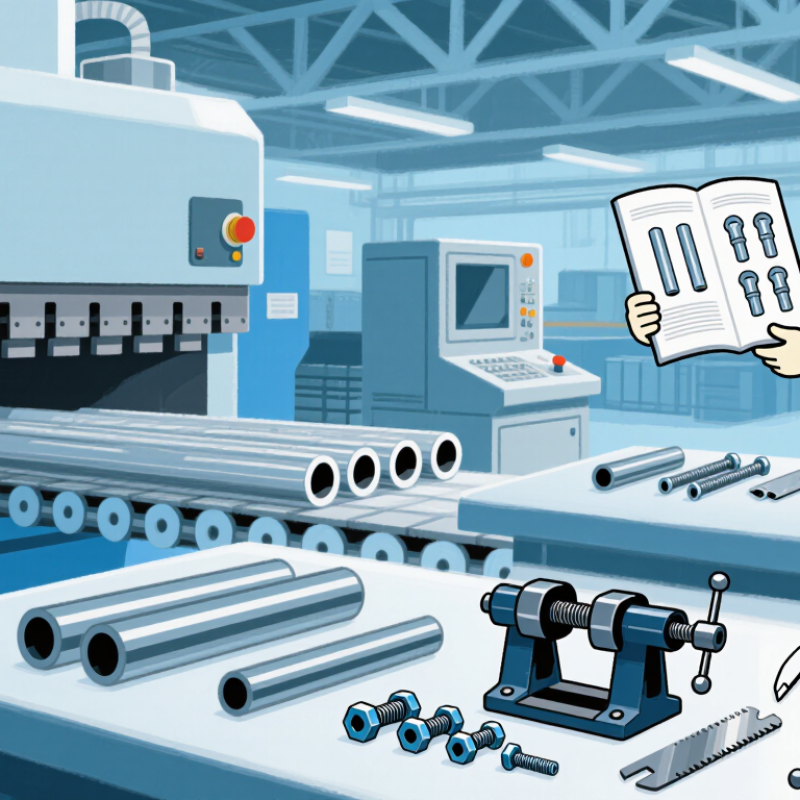
Identify Production Needs and Operating Conditions
Before choosing steel pipe machinery accessories, define the work they must handle. Record the pipe diameter range, wall thicknesses, steel grades, and target output per shift. A line making thin-wall tubes needs different guide settings and cutting performance from one processing heavy sections. Frequent size changes also make quick, repeatable adjustments valuable. Write down actual changeover times, not just the target. Production plans are often optimistic.
Then check operating conditions at the machine. Note shift length, vibration, coolant exposure, metal dust, and ambient temperature near the equipment. These details affect wear, lubrication intervals, and how easily operators can inspect components. Measure mounting dimensions and confirm shaft, connection, and clearance requirements against the machine drawings. A small mismatch can cause setup delays. Check, too, whether replacement parts are accessible without removing nearby guards or assemblies. Ask maintenance staff which components fail or drift most often; their notes may reveal problems missing from formal records. I have seen specifications look complete while overlooking routine cleaning access. That is an uncomfortable gap, but worth checking before purchase. Keep a sample production record and confirm uncertain measurements on the line before finalizing the accessory choice.
