
How to Choose Scaffolding Equipment in 2026?
Choosing scaffolding equipment in 2026 is not just a matter of comparing prices. The right system must suit the work, the site, and the people using it. A scaffold beside a brick façade faces different demands from one inside a busy warehouse. Small details matter: uneven ground, overhead obstructions, material loads, and how often workers need to move between levels.
Safety data gives this decision real weight. The U.S. Bureau of Labor Statistics’ Census of Fatal Occupational Injuries reported 1,069 construction deaths in 2022. OSHA’s review of that year’s data identified 395 construction fatalities involving falls, slips, or trips. These figures cover more than scaffold incidents, but they underline why access planning, stable foundations, guardrails, and competent inspection cannot be afterthoughts. A product label alone does not prove a setup is suitable.
This guide looks at practical selection factors: scaffold type, working height, load capacity, materials, site conditions, assembly needs, and maintenance. Check manufacturer documentation and have a qualified person assess the planned configuration. Requirements vary by task and location. No single scaffold fits every job. And a cheaper option may cost more in delays, repairs, or added controls. One honest limitation: even careful planning cannot remove every site risk. It can make those risks easier to recognize and manage.
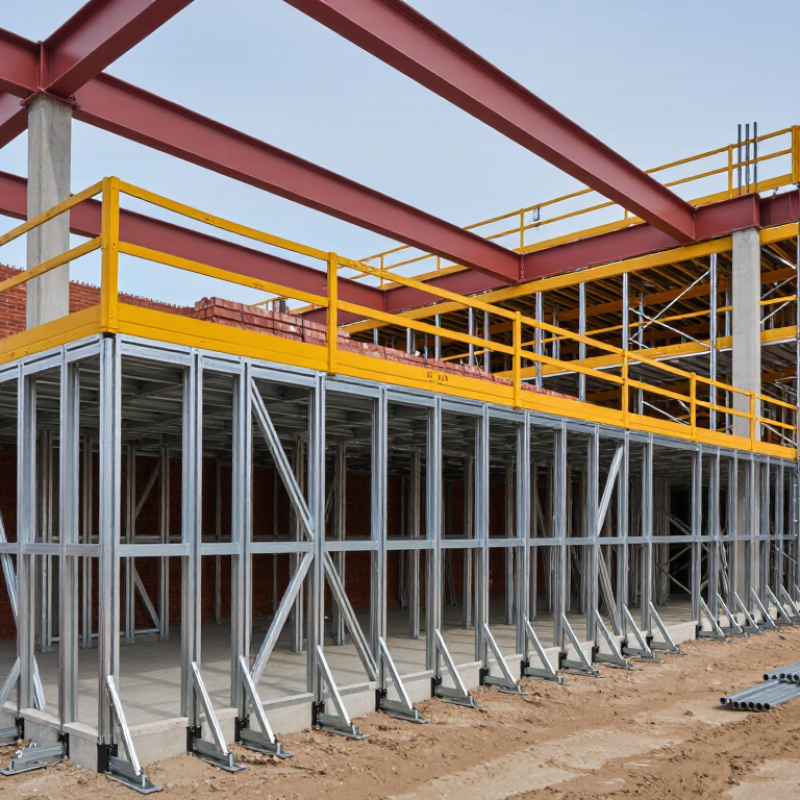
Define Project Requirements and Working Conditions
Before choosing scaffolding, define the work precisely. Record the platform height, work area, number of workers, and materials they will carry. A bricklaying crew needs a different platform capacity from a painter carrying light tools. Include the combined weight of people, equipment, and stored materials, then check that the system’s rated capacity covers it. Small details matter.
Next, inspect the actual site, not just the drawings. Note soft soil, sloped paving, drains, overhead obstructions, and narrow access routes. A loaded scaffold leg on a weak patch can settle unevenly. Then check the ground. Also consider wind exposure, rain, temperature, and how long the structure will remain in place. These conditions can affect stability and safe access. Have a qualified person assess the design, ties, foundations, and any planned changes.
One planning miss is easy to make: choosing equipment for the main task while overlooking how workers will reach it. Will they climb internally, move tools between levels, or pass materials through a restricted opening? These details shape the layout. I would revisit the plan after a site walk, because drawings rarely show every hose, doorway, or uneven slab. If the conditions change, pause and reassess rather than adapting the scaffold informally.
