
How to Choose the Right Quick Connect Coupler?
Choosing the right Quick Connect Coupler is not just a matter of matching two fittings. The wrong choice can restrict flow, leak under pressure, or make routine maintenance harder. A coupling that looks sturdy on a workbench may still be unsuitable for the fluid, temperature, or operating pressure in your system. Appearance can mislead.
Start with the application. Identify the media, working pressure, temperature range, required flow, and hose or port size. Then check the coupler’s connection profile and materials against the mating equipment. These details matter. A mismatch may prevent a secure connection or damage seals over time. Do not rely on nominal size alone; confirm specifications from the equipment and coupler manufacturers. This step is easy to skip.
Consider the working environment, too. Dust, moisture, vibration, and frequent connection cycles can affect service life. In a dusty workshop, for example, exposed faces may need protection between uses. Think about how operators will connect and disconnect the fitting, including available clearance and access. A convenient connection can reduce awkward handling, but only when it suits the system.
This guide explains how to compare coupler types, materials, seals, and ratings with practical checks. It also highlights common selection mistakes and questions to ask before buying. No single design fits every application. When specifications are unclear, pause and verify them with a qualified supplier or the equipment manufacturer. A little uncertainty is worth investigating before installation.
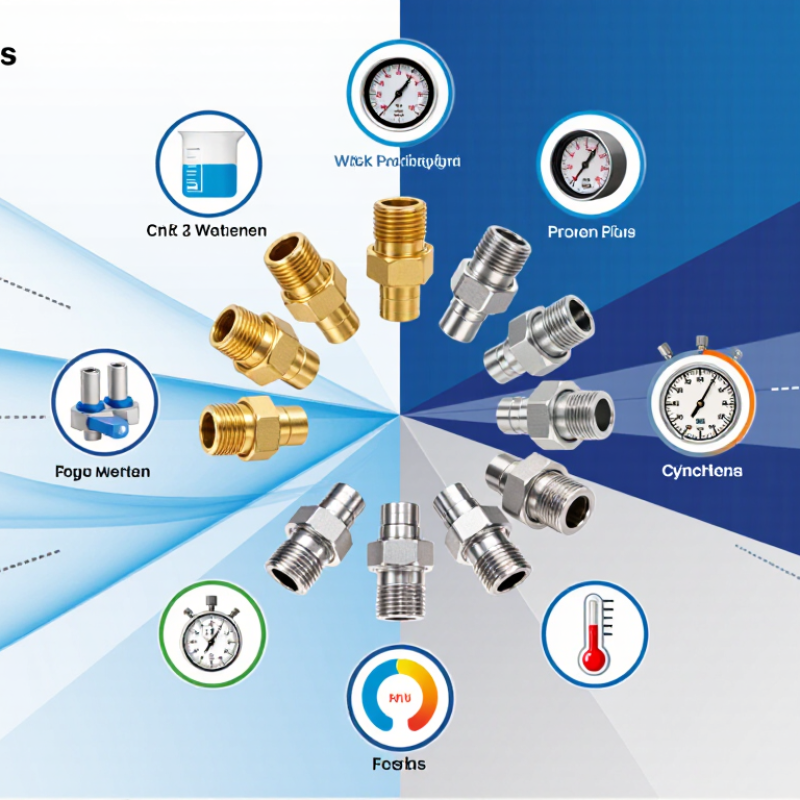
Identify the Application and Operating Conditions
Start with the fluid, pressure, temperature, and flow rate—not the coupler’s outside appearance. A pneumatic line carrying dry air has different needs from a hydraulic line exposed to oil and pressure pulses. Record normal pressure and the highest likely spike. Pressure peaks matter. Check the manufacturer’s pressure rating at the actual operating temperature, along with seal compatibility and allowable flow. An undersized passage can create a pressure drop; a mismatched seal can swell or leak. Note how often connections are made, and whether dust, vibration, or a cramped service area could affect the locking sleeve. Small details matter.
Operating conditions also shape energy and maintenance costs. The U.S. Department of Energy’s Improving Compressed Air System Performance: A Sourcebook for Industry reports that compressed air accounts for about 10% of electricity use in U.S. manufacturing. That figure is not a coupler-specific estimate, but it shows why leaks and pressure loss deserve attention. For pneumatic service, check for leakage after connection and during operation. For hydraulic service, consider trapped pressure and the safe procedure for disconnecting. Verify that the coupling standard matches the mating half; ISO 7241, for example, specifies requirements for hydraulic quick-action couplings. A paper specification is useful, but it cannot reveal every awkward fit. Test the assembly in its real location, with the real hose and operating cycle.
