How to Choose the Right Metal Racking System?
Choosing the right Metal Racking System begins with understanding your storage environment, not browsing product photos. Every warehouse has different pressures, including ceiling height, aisle width, floor condition, product weight, and handling equipment. A rack that suits boxed inventory may perform poorly with steel coils or irregular pallets.
Start by recording the actual load requirements. Measure each pallet, including its height and overhang. Confirm the total weight, load distribution, and lifting method. Forklift turning space matters. So does beam clearance. Small measurement errors can create serious operational problems.
Material selection also deserves careful attention. Steel racking usually offers strength, durability, and adaptable configurations. However, corrosion resistance may be necessary in humid, cold, or chemically exposed areas. Powder-coated surfaces look clean, but appearance alone does not prove long-term performance. Check the manufacturer’s specifications, tested load ratings, installation guidance, and inspection procedures.
Safety should guide every decision. Uprights need stable anchoring. Beams require secure locking pins. Damaged components should never remain in service because replacement costs seem inconvenient. Local building requirements and workplace safety rules may also affect the design. Confirm them before installation.
A practical layout must support people, not only inventory. Leave clear travel paths and visible aisle markings. Consider future growth instead of filling every available metre today. Still, overplanning can waste valuable floor space. The best choice balances capacity, access, budget, and daily workflow.
There is no universal answer. Even experienced teams can misjudge changing stock levels. Review the system regularly, document inspections, and adjust carefully as your operation develops.
Define Your Storage Needs and Operating Requirements
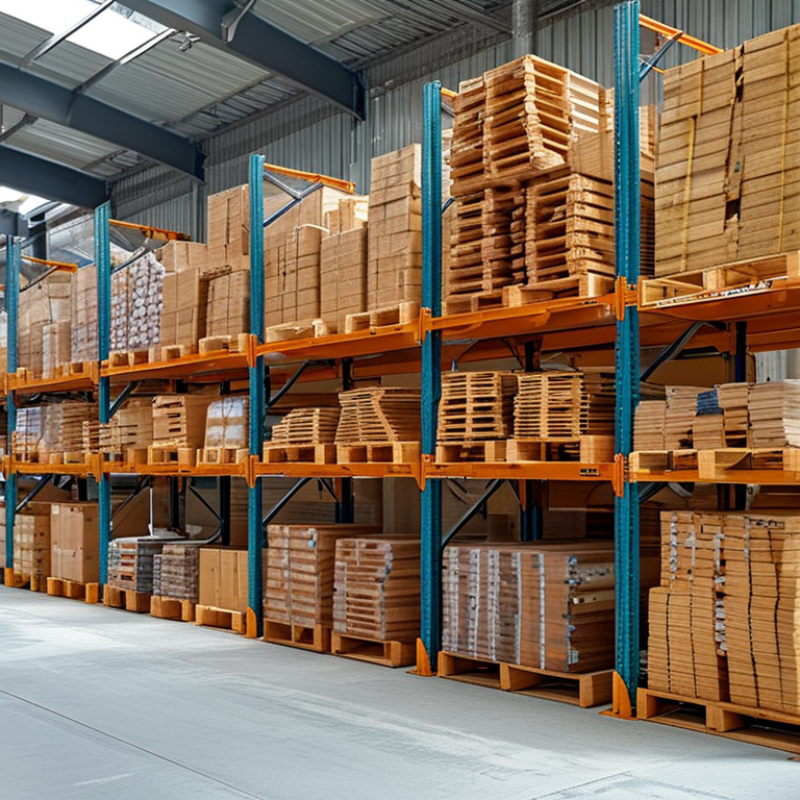
Choosing a metal racking system starts with your inventory, not the rack itself. Measure pallet dimensions, unit weights, turnover rates, and available floor height. Fast-moving cartons may need direct access, while reserve stock can use higher-density storage. Leave clear aisles for forklifts, inspection, and emergency movement.
Operating conditions matter just as much. Record daily handling volume, forklift type, loading patterns, temperature, humidity, and future expansion plans. The 2024 MHI Annual Industry Report found that 55% of supply-chain professionals expected to increase technology investment. This signals a practical concern: your racking should support scanners, automation, and changing workflows. A layout that works today may create delays after growth.
Tips: Mark every load level visibly. Confirm floor capacity with a qualified engineer. Add impact protection where vehicles turn sharply. Inspect beams, frames, anchors, and connectors routinely. OSHA guidance emphasizes regular hazard identification and corrective action, but inspections are often treated as paperwork. That is a mistake. A bent upright may look minor until repeated loading exposes the weakness. Also, do not select maximum height simply because the ceiling allows it. Fire systems, lighting, retrieval reach, and worker visibility can reduce usable capacity. I would test a small rack zone first, measure picking time, and revise the design before full installation.
