
10 Tips for Choosing a Metal 3D Printing Factory?
Choosing a Metal 3D Printing Factory takes more than comparing machine lists. The right partner must show how it controls the full production chain, from powder handling and build preparation to finishing and inspection. A machine’s advertised capabilities do not guarantee consistent parts.
Dr. Nima Shamsaei is a researcher in metal additive manufacturing. A responsible paraphrase of the practical lesson in his research is: process control and validated performance matter more than machine claims alone. This is a paraphrase, not a verified verbatim quotation. Details matter. Ask how the factory controls powder reuse, records build parameters, and checks for internal defects. Request sample inspection reports, material certificates, and clear explanations of any limits. For a load-bearing component, ask how build orientation, heat treatment, and post-processing affect its properties.
Look closely at the evidence. A small test coupon, a traceable production record, and a candid discussion of rejected parts can reveal more than a polished brochure. Check whether the factory’s experience matches your alloy, geometry, tolerance, and production volume. Ask who reviews design changes, and how revised files are approved. Confirm lead times and communication expectations in writing.
Even a capable supplier may not be right for every part. That is easy to overlook. The following ten tips offer a practical way to compare factories, verify claims, and spot unanswered questions before committing to production.
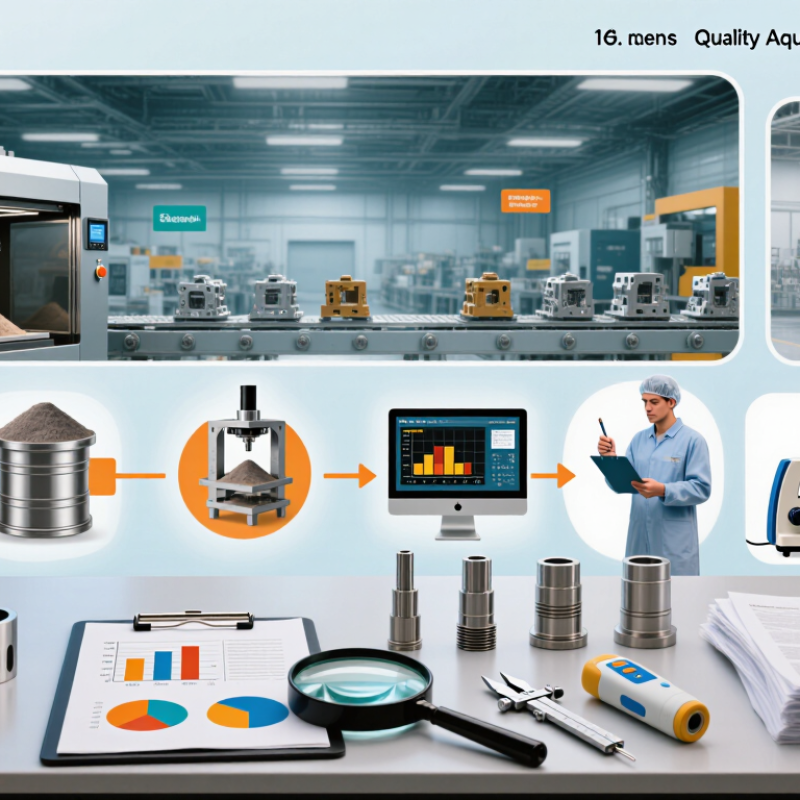
Define Your Part Requirements and Production Goals
Before contacting a metal 3D printing factory, define what the part must do. Record its dimensions, critical tolerances, alloy, surface finish, and operating environment. A bracket exposed to vibration needs different checks than a decorative housing. Include a drawing and mark the surfaces that must fit or seal. A drawing alone may not explain the real use.
Tip: State your expected quantity and delivery window. A one-off prototype may need fast iteration, while repeat production requires consistent inspection and documented settings. Ask about build volume, achievable tolerances, support removal, and finishing options. Small details matter. If the design is still changing, say so; otherwise, a factory may quote a process that is difficult to revise.
Set measurable production goals before comparing quotes. Specify acceptable variation, required inspection records, and any tests tied to the part’s actual use. Ask how the factory handles powder removal from internal channels and verifies thin walls. These questions reveal practical experience. Avoid choosing on unit price alone: orientation, machining, and finishing can change both cost and lead time. I have seen plans become overcomplicated, so keep requirements focused on function, not every possible check.
10 Tips for Choosing a Metal 3D Printing Factory? - Define Your Part Requirements and Production Goals
| Part or Use Case | Function and Operating Conditions | Candidate Material | Example Part Envelope | Critical Requirement to Specify | Example Annual Quantity | Production Goal | Questions for the Factory |
|---|---|---|---|---|---|---|---|
| Lightweight equipment bracket | Supports a static or moderately vibrating load indoors | AlSi10Mg aluminum alloy | 120 × 80 × 45 mm | Identify load direction, mounting interfaces, and surfaces that require machining | 20–100 parts | Reduce mass while maintaining fit and functional strength | Can the build orientation and support strategy meet the specified interface dimensions? |
| Fluid manifold | Routes liquid through multiple internal passages | AlSi10Mg or 316L stainless steel, subject to fluid and service conditions | 100 × 70 × 50 mm | Define passage diameters, pressure-test conditions, sealing faces, and allowable leakage | 10–50 parts | Consolidate passages and reduce assembly joints | What minimum channel size, cleaning method, and pressure-test documentation can be provided? |
| Corrosion-resistant enclosure component | Used in a damp or chemically exposed environment | 316L stainless steel, subject to the specific chemical exposure | 150 × 100 × 60 mm | Specify the chemicals, exposure duration, surface condition, and any corrosion-test requirement | 50–300 parts | Produce repeatable parts with a defined surface finish | How are powder removal, surface finishing, and material traceability handled? |
| High-temperature tooling insert | Experiences elevated temperatures and repeated thermal cycles | Maraging steel or another qualified tool steel | 80 × 60 × 35 mm | State operating temperature, hardness target, heat-treatment condition, and inspection needs | 5–30 parts | Shorten tooling lead time and incorporate conformal cooling where practical | Can the factory coordinate heat treatment and verify the requested hardness? |
| Compact structural prototype | Used for fit checks and non-production functional testing | Ti-6Al-4V, when its strength-to-weight properties are needed | 90 × 50 × 40 mm | Separate fit-critical dimensions from non-critical surfaces; define the test load if applicable | 1–10 parts | Validate geometry before committing to a production design | Will the quotation identify build orientation, post-processing, and dimensional inspection scope? |
| Small precision housing | Holds components with several locating and fastener features | AlSi10Mg aluminum alloy | 60 × 45 × 30 mm | Mark datum features, hole sizes, thread requirements, and critical tolerances on the drawing | 100–1,000 parts | Balance dimensional consistency with machining and finishing cost | Which features will be printed as-built, and which will be machined or tapped? |
| Wear-resistant fixture component | Contacts workpieces during repeated production cycles | 17-4 PH stainless steel, with condition selected for the application | 110 × 70 × 25 mm | Define contact surfaces, required hardness or strength, and expected cycle count | 10–100 parts | Combine complex geometry with a dependable service life | What material condition and post-processing route are proposed, and how are they verified? |
| Heat-exchanger component | Transfers heat through internal channels | AlSi10Mg or 316L stainless steel, selected for thermal and fluid requirements | 120 × 90 × 40 mm | Specify channel layout, allowable pressure drop, leak-test criteria, and cleaning requirements | 5–50 parts | Assess whether integrated channels meet thermal and flow targets | Can the factory confirm internal-channel cleanability and provide leak-test results? |
| Low-volume replacement component | Replaces a discontinued or difficult-to-source part | Choose an alloy based on the original part’s load, temperature, and environment | Up to 200 × 120 × 80 mm | Provide a 3D model, material specification, critical dimensions, and any known service conditions | 1–25 parts | Obtain usable parts without committing to conventional production tooling | Is the part size within the qualified build envelope, including required supports and orientation? |
| Repeat production component | Used in a stable product design with recurring demand | Specify the qualified alloy and material condition required for the application | Confirm against the factory’s build envelope | Set annual volume, delivery schedule, revision control, acceptance criteria, and inspection level | 500–5,000 parts | Establish repeatable batches and predictable total production cost | What process controls, batch records, inspection reports, and capacity commitments are available? |
Planning note: These are illustrative requirement examples, not guaranteed process limits or performance claims. Confirm material suitability, achievable tolerances, build size, surface finish, testing, and lead time with the factory for the specific part design.
