
How to Choose a Hydrocell Lithium Battery Supplier?
Choosing a Hydrocell Lithium Battery supplier requires more than comparing prices on a spreadsheet. The right partner should demonstrate technical competence, consistent production, and transparent business practices. A battery may look excellent in a product photograph. Its real value appears during charging, transport, installation, and repeated daily use.
Start by examining the supplier’s manufacturing experience and quality controls. Ask for clear specifications, test records, cell information, and documented safety procedures. Reliable suppliers should explain capacity, voltage, cycle life, operating temperature, and protection features without vague promises. Review relevant certifications for your market, and verify whether independent laboratories issued them. Traceable batch numbers matter. They help identify problems when performance changes unexpectedly.
Communication also reveals operational maturity. A dependable supplier answers technical questions directly and provides realistic lead times. They should discuss sample testing, packaging, warranty limits, and after-sales support before receiving an order. Request a sample and inspect its labels, connectors, casing, and documentation. Then test its performance under conditions that resemble actual use. Laboratory results alone may not reflect heat, vibration, or irregular charging.
Cost still matters, but the cheapest quotation can hide replacement costs, delays, or weak support. No checklist is flawless. Supplier claims require careful verification. Compare several candidates using the same criteria, and record every unanswered question. A trustworthy Hydrocell Lithium Battery supplier will welcome reasonable scrutiny. More importantly, it will help you choose a safe, suitable solution rather than pushing the largest possible order.
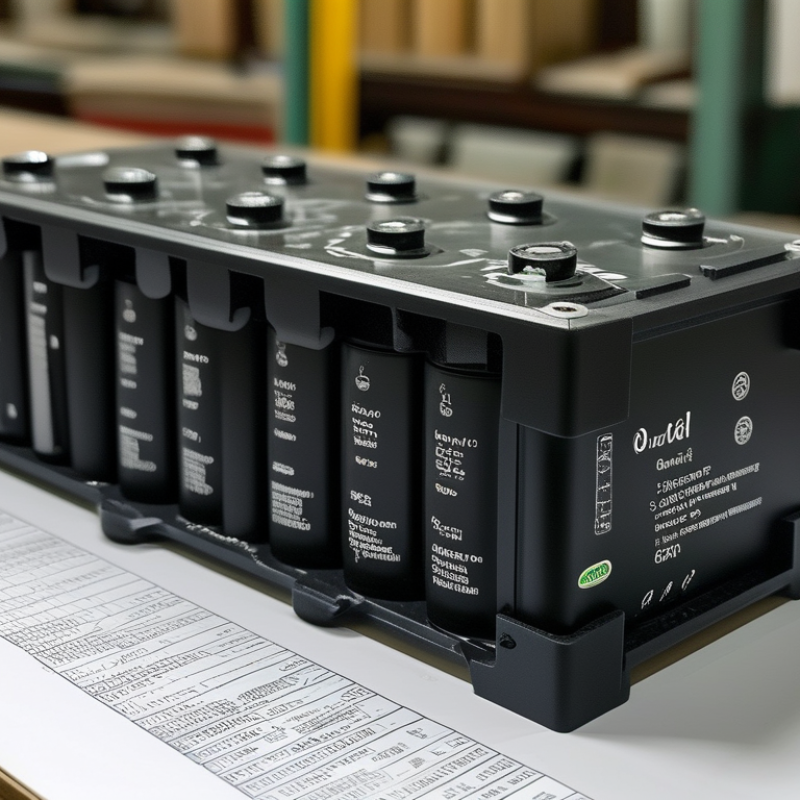
Define Your Hydrocell Lithium Battery Requirements
How to Choose a Hydrocell Lithium Battery Supplier?
Define Your Hydrocell Lithium Battery Requirements
Before contacting a supplier, describe the battery’s real operating conditions. Record the required voltage, usable capacity, peak current, and daily energy consumption. Include the equipment’s starting load, not only its average demand. A motor may briefly require twice its rated current.
Measure the installation space carefully. Note length, width, height, terminal position, and permitted battery weight. Define the operating temperature, charging method, expected cycle life, and protection requirements. A battery used outdoors needs different safeguards from one installed in a climate-controlled cabinet. Small details matter.
I have seen projects fail because capacity was estimated from ideal conditions. My early estimates made the same mistake. Leave a practical energy reserve for cold weather, aging, and unexpected loads. Ask suppliers for test data, safety documentation, traceable cells, and a clear warranty. Their battery management system should monitor temperature, voltage, current, and abnormal conditions.
Request samples or verified performance records before placing a large order. Check whether the supplier can customize communication protocols, connectors, and mounting features. Ask how they handle quality inspections and after-sales failures. Do not accept vague claims such as “long life” without test conditions. Your requirements may change after field testing, and that is normal. A useful specification should be precise, but not pretend to know everything.
