How to Choose the Right Elevator Lift in 2026?
Choosing the right Elevator Lift in 2026 requires more than comparing prices or selecting the fastest cabin. It demands careful attention to building use, passenger flow, energy performance, safety, accessibility, and long-term maintenance.
Industry demand is expanding. Fortune Business Insights’ 2024 Elevator and Escalator Market report identifies urban construction, modernization, and smart-building integration as major growth drivers. The report also highlights increasing demand for connected systems and energy-efficient equipment. Meanwhile, the International Energy Agency reports that buildings consume about 30% of global final energy. This makes efficient vertical transportation an important design decision, especially in offices, hospitals, hotels, and residential towers.
The right specification begins with real movement patterns. A busy hotel may need a larger cabin, faster dispatching, and stronger door cycles. A private residence may prioritize quiet operation, compact dimensions, and low visual impact. Load capacity matters. So does shaft space.
Small details become expensive later.
Consultants should review daily traffic data, expected building growth, emergency access, local accessibility requirements, and available maintenance support. Modern regenerative drives, destination-control systems, remote monitoring, and standby modes can reduce operating waste, but technology is not automatically valuable. A connected lift without reliable service support may create new problems.
Reports provide direction, not certainty. Every building behaves differently. Therefore, this guide examines the practical factors behind choosing an Elevator Lift that remains safe, efficient, serviceable, and suitable for changing needs in 2026.
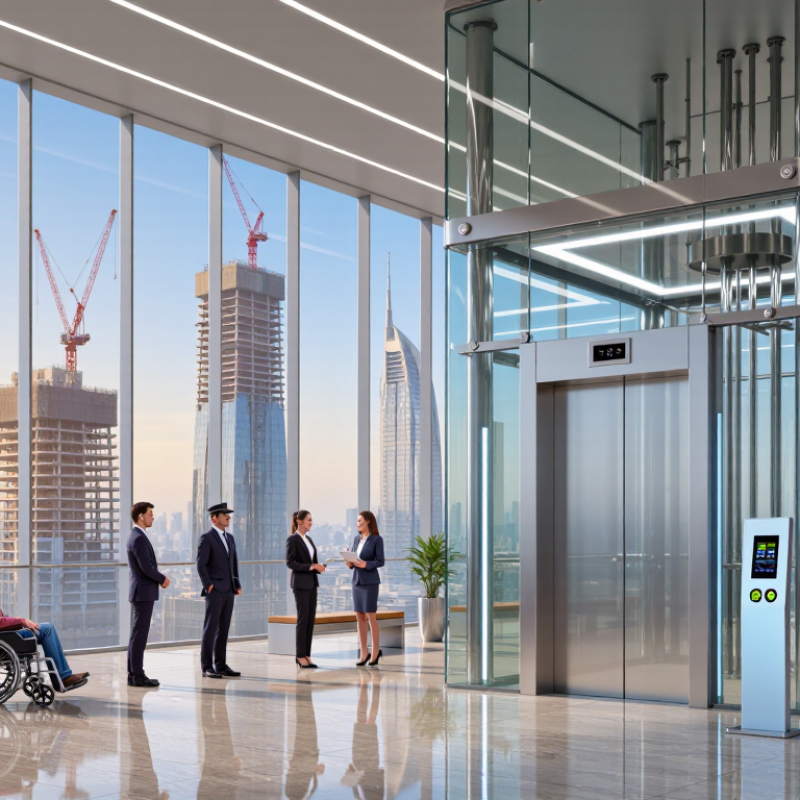
Understanding Elevator Lift Types and Their Main Applications
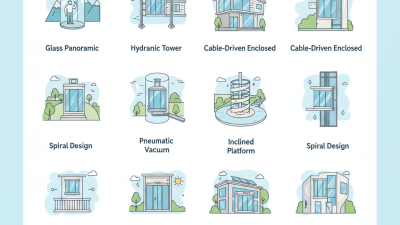
Choosing an elevator lift starts with the building’s daily movement, not a catalog photograph. Each type suits a different physical problem. Hydraulic lifts work well in low-rise buildings, especially where smooth starts and moderate travel matter. Their equipment may require a separate machine room and careful attention to oil containment. Traction lifts use ropes, sheaves, and counterweights. They fit taller buildings and frequent passenger traffic because they move efficiently between many floors. However, installation space and structural planning become more demanding.
Machine-room-less traction lifts can preserve valuable roof space. They are common in offices, apartments, and compact commercial buildings. Home lifts serve private residences, where lower speed, quiet operation, and accessibility often matter more than carrying crowds.
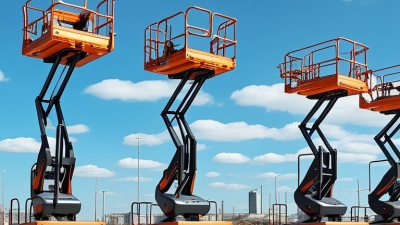
Platform lifts can connect short level changes in schools, clinics, and public buildings. They usually need less construction work, but their capacity and travel range are limited. That trade-off is easy to miss. Space matters.
For service areas, dumbwaiters move goods rather than people. They suit restaurants, libraries, and healthcare facilities when materials travel between floors. A careful selection checks rated load, shaft dimensions, door size, stopping accuracy, emergency lowering, and local inspection requirements. Dust, humidity, and uneven daily use can change the right specification.
In practice, a lift that looks oversized may reduce waiting and repairs. Yet over-specifying wastes money and space. My own assessment would never rely on floor count alone; traffic observations and future occupancy matter. Some projects still get this wrong. A qualified lift engineer should verify the final design and maintenance access.
Assessing Building Requirements, Space, Capacity, and Travel Distance
How to Choose the Right Elevator Lift in 2026?
Assessing Building Requirements, Space, Capacity, and Travel Distance
Choosing an elevator lift starts with the building, not the equipment catalogue. During a site survey, measure shaft width, pit depth, overhead clearance, and available machine-room space. Existing structures often hide uneven floors or restricted access routes. These details can change the installation plan.
Capacity should reflect real daily use. A small office may need a compact passenger lift, while a residential tower requires stronger traffic handling. Count residents, visitors, deliveries, and peak movement between floors. Do not size the lift from average usage alone. Morning queues reveal more than quiet afternoon observations.
Travel distance also influences speed, comfort, energy use, and cost. A short-rise building may perform well with a moderate-speed system. Taller buildings need careful control of acceleration, stopping accuracy, and emergency access. Local accessibility and fire-safety requirements must guide every specification. An experienced lift consultant should verify the calculations and review maintenance access.
I have seen projects focus heavily on cabin appearance. That was a mistake. Space for technicians, ventilation, drainage, and future repairs matters just as much. Some early plans also underestimate moving furniture through narrow corridors. Rechecking the survey is worthwhile, even when drawings seem complete. The best choice balances usable space, dependable capacity, travel distance, and practical installation limits.
Comparing Safety Features, Accessibility, Energy Use, and Performance
How to Choose the Right Elevator Lift in 2026?
Safety should guide every elevator lift decision.
Look for reliable door sensors, emergency communication, backup lighting, controlled emergency lowering, and accurate floor leveling. A lift that stops unevenly can create a serious trip hazard, especially for wheelchair users. Independent inspection and regular maintenance records provide stronger evidence than attractive product claims. Safety comes first.
Accessibility requires more than a wide entrance. Check cabin dimensions, handrail placement, tactile buttons, voice announcements, visual floor indicators, and gentle door closing. Observe the lift during busy periods, if possible. Slow doors may frustrate users, while fast movement can feel uncomfortable. Energy use also deserves careful attention. LED lighting, standby modes, efficient motors, and regenerative systems can reduce consumption. However, savings depend on traffic, building height, and daily operating patterns. A rarely used lift may not justify the most complex energy system.
Tips:
Compare measured performance, not brochure promises. Ask for noise readings, travel speed, leveling accuracy, and energy data under realistic use. Confirm the rated load matches shopping carts, mobility devices, or cleaning equipment. Consult a qualified lift engineer and review local accessibility requirements before installation. I would also allow space for future needs; this is easy to overlook. A smaller cabin may fit today but become restrictive later. Test the controls yourself. Small details matter.
Reviewing Installation Conditions, Maintenance Needs, and Long-Term Costs
How to Choose the Right Elevator Lift in 2026?
Reviewing Installation Conditions, Maintenance Needs, and Long-Term Costs
Choosing an elevator lift should begin with the building, not the brochure. An experienced survey checks shaft dimensions, pit depth, overhead clearance, power supply, and wall strength. Older buildings often hide uneven floors or restricted access. These details can change the installation plan quickly. Measure twice.
Local safety rules and accessibility requirements also shape the decision. A qualified engineer should review emergency controls, door protection, fire conditions, and evacuation procedures. The lift must suit its daily workload. A small residential unit may struggle in a busy clinic or apartment block. That mistake becomes expensive.
Maintenance planning deserves equal attention. Ask how technicians will reach key components, how inspections are recorded, and how replacement parts are sourced. Clear service intervals reduce unexpected stoppages. Energy use matters too, but downtime may cost more than electricity. Compare purchase price, installation changes, service visits, repairs, and future modernization over the expected life. I once underestimated access costs on a renovation project; the lift itself was not the main expense. That experience still influences my assessments. Some predictions remain uncertain, especially when usage grows faster than planned. A flexible design can absorb that uncertainty better than the cheapest option.
How to Choose the Right Elevator Lift in 2026?
Hydraulic elevators generally require less initial installation time but tend to have higher long-term maintenance and energy costs. Geared traction systems typically require more installation work, while machine-room-less traction elevators can provide a lower 20-year ownership cost when the building has suitable shaft, overhead, and electrical conditions.
Planning assumptions: Values are indicative benchmarks for a mid-rise passenger elevator and include equipment, installation, routine maintenance, and energy over 20 years. They exclude major building alterations, financing, taxes, and modernization after the analysis period. Actual costs depend on local codes, traffic demand, travel height, usage frequency, and site conditions.
Selecting a Compliant Elevator Lift for Future Building Requirements
How to Choose the Right Elevator Lift in 2026?
Selecting a Compliant Elevator Lift for Future Building Requirements
A compliant elevator lift must suit today’s building and tomorrow’s expectations. Start with the building’s use, floor count, traffic pattern, and expected passenger volume. Measure the shaft, pit, overhead space, and available power before comparing equipment. These details affect capacity, travel speed, door width, and evacuation planning. A lift serving apartments may need different controls than one serving a clinic. Accessibility should be practical, not merely listed on a specification sheet. Check cabin space, reachable controls, audible signals, level accuracy, and safe door timing. Ask a qualified local consultant to verify accessibility, fire, electrical, and structural requirements. Rules vary by location.
Tips: Request a written compliance review before purchase. Confirm inspection access, emergency communication, maintenance clearances, and spare-part support. Plan for change. Keep room for future software, traffic controls, or energy upgrades. A small buffer in power and space may prevent expensive changes later. Do not trust drawings alone. Visit an operating installation if possible, and ask about peak-hour performance.
Reliability also depends on installation quality and documented testing. Require load tests, door safety checks, backup procedures, and handover records. A common project mistake is prioritizing speed while overlooking service access. That problem appears when queues form and technicians cannot reach key components. Recheck assumptions with the architect, lift engineer, authority, and facility team. No plan is perfect. Careful review still reduces avoidable risk.