
How to Choose the Right Electric Fuel Pump?
Choosing the right electric fuel pump starts with the engine’s actual needs, not the largest flow rating on a product box. Electric Fuel Pumps must deliver suitable pressure and volume across the vehicle’s operating range. A pump that cannot keep pace may contribute to fuel starvation. An oversized or mismatched unit can create fitment, control, or noise problems. The details matter. Check the vehicle’s year, engine, fuel type, and original pump specifications before comparing replacements. Then verify pressure, flow, electrical connections, mounting style, and regulator compatibility against reliable manufacturer data.
Automotive engineer and technical author Charles O. Probst is known for his work on fuel injection and engine management. Drawing on that systems-focused approach, this guide uses a practical selection principle: “Match pressure, flow, and controls to the engine—not just the pump label.” Treat that as a guiding summary, not a verbatim quotation. A catalog match is useful, but it cannot replace checking the vehicle’s service information. A real-world detail helps: inspect the connector, measure available space, and confirm whether the pump sits inside the tank. Small mismatches can turn a simple replacement into extra work. Some specifications are unclear. Pause and verify them. The following outline will help readers compare pump types, interpret ratings, avoid common fitment mistakes, and choose a dependable option with greater confidence. It also leaves room for reflection: the “best” pump is not always the most powerful one. It is the one that meets documented requirements consistently.
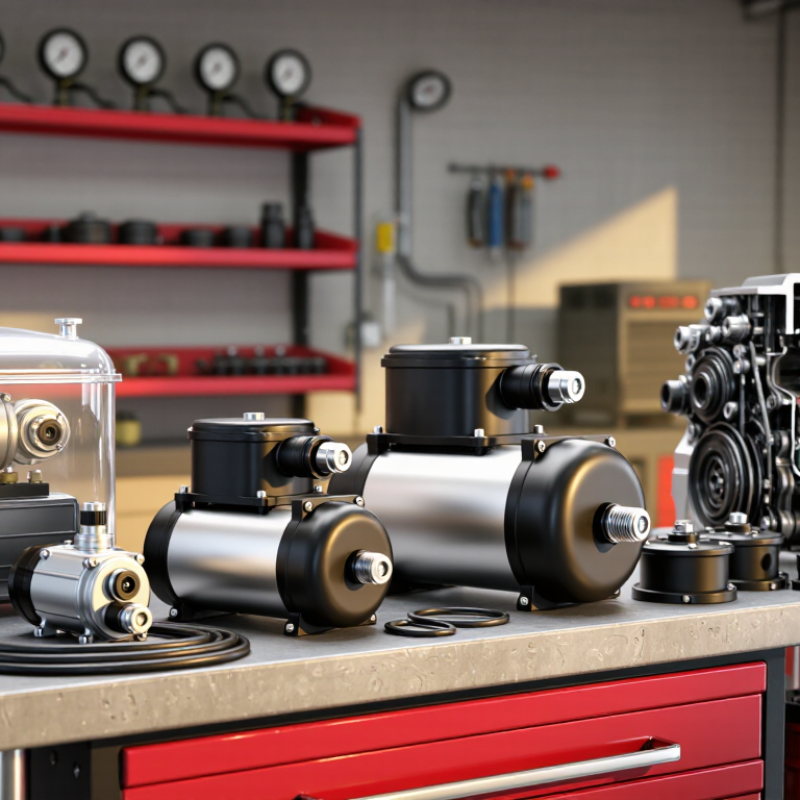
Identify the Fuel-System Type and OEM Pressure: Port EFI Often Runs 30–80 psi
Choosing an electric fuel pump starts with identifying the system it must serve. Port fuel injection often operates between 30 and 80 psi, but that range is only a guide. The correct pressure comes from the vehicle’s OEM specification, not from a general chart. Check the service information for pressure at the fuel rail and note whether the regulator is vacuum-referenced. Small details matter.
Do not confuse port injection with direct injection. Direct-injection systems require much higher pressures and use different pumping arrangements. For a port EFI setup, match the pump’s operating pressure and fuel-flow capacity to the engine’s needs. A pump may show adequate flow on paper yet deliver less when pressure rises or voltage drops. Check the pump’s performance data at the required pressure, not just its free-flow rating.
Measure pressure with a suitable gauge and follow the vehicle’s test procedure. Confirm wiring, grounds, filters, and regulator condition before blaming the pump. A weak electrical supply can look like a failing pump. I would be cautious about relying on one pressure reading; temperature, load, and regulator behavior can change the result. Verify the OEM target under the specified test conditions.
