
How to Choose the Right Compound Steel Grating
Choosing the right Compound Steel Grating begins with understanding where it will be installed and what it must support. A platform beside a washdown line faces different demands from a walkway exposed to rain, grit, and wheeled traffic. Load capacity matters, but it is only one part of the decision. Consider the span between supports, expected foot or vehicle traffic, drainage needs, and the grating’s connection to the surrounding structure. A panel that looks suitable on a drawing may feel too flexible once installed. Details matter.
Material selection and fabrication also shape long-term performance. Compare the steel grade, bearing-bar dimensions, crossbar spacing, surface finish, and corrosion protection against the actual site conditions. Check whether the compound design combines a grating panel with a solid plate, and confirm how that arrangement affects weight, drainage, and cleaning. Ask suppliers for product data and load tables, then have a qualified professional verify that the chosen specification fits the project. Do not rely on appearance alone. A neat sample cannot show how a full panel behaves across its intended span.
There is no single best option for every facility. Budget, maintenance access, installation constraints, and replacement plans can pull the choice in different directions. Even careful buyers may overlook a small interface detail, such as how the panel meets a curb or equipment base. That deserves a second look. This guide explains the practical questions to ask before selecting Compound Steel Grating, so the final choice is based on site demands rather than a catalog description alone.
What Compound Steel Grating Is and How It Is Constructed
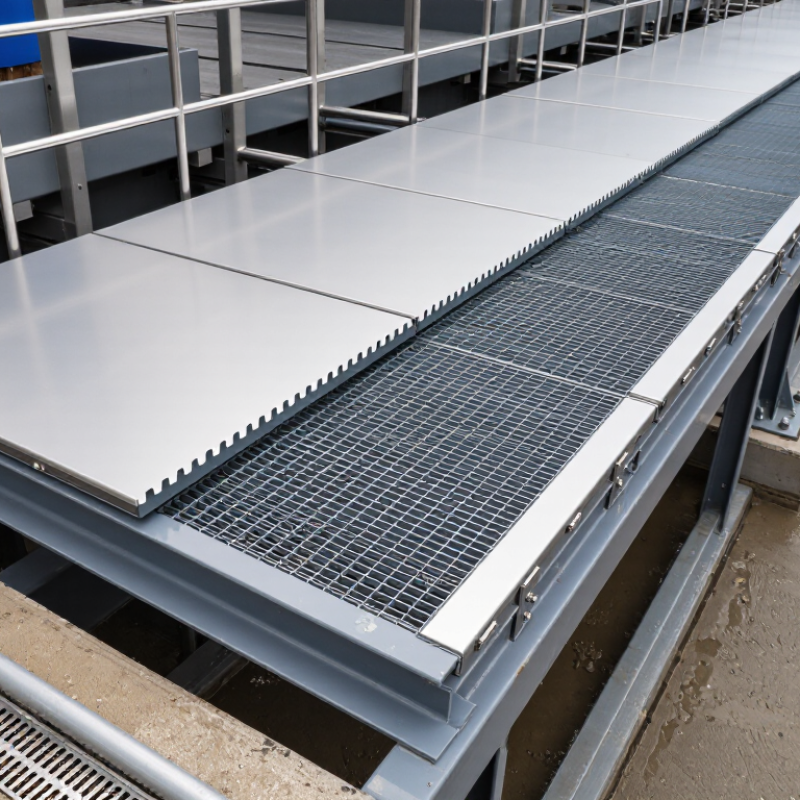
Compound steel grating combines an open steel bar panel with a solid steel plate, usually a checkered plate. The bars carry loads across their supports, while the plate creates a more continuous walking or working surface. Cross bars hold the bearing bars in position, and welds commonly join the plate and grating into one panel. Edge details and fastening methods can vary by design.
The construction matters. Open grating allows drainage and airflow; adding plate reduces openings but increases weight and can affect drainage. NAAMM’s Metal Bar Grating Manual, MBG 531, provides industry guidance on grating design and fabrication. For context, the World Steel Association reported 1,888.2 million tonnes of global crude steel production in 2023 in World Steel in Figures 2024. That figure describes the wider steel industry, not compound-grating performance. I would not judge a panel by appearance alone. Check its bearing-bar size, span, support conditions, and specified load. A neat weld is not a load rating. For wet areas, inspect how water can leave the plate; small details matter.
