
How to Choose the Right Axle Wheel Bearing
Choosing the right Axle Wheel Bearing is not just a matter of matching a part by appearance. The bearing must suit the vehicle’s make, model, year, axle position, and configuration. A small mismatch can affect fit, noise, and service life. Fit comes first. Check the vehicle identification details and compare the replacement part with the manufacturer’s specifications before ordering.
This guide explains the main factors to consider, from bearing type and dimensions to load ratings, seals, and material quality. It also covers warning signs such as humming that changes with speed, vibration, or looseness at the wheel. These symptoms can point to a bearing problem, but they may have other causes. A careful inspection matters. Installation conditions matter, too: dirt, incorrect pressing, or improper torque can damage a new bearing. When the application is unclear, consult a reliable parts catalog or a qualified technician rather than relying on a visual guess. There is no single choice that fits every vehicle. Even product descriptions can leave questions unanswered, so verify key details with the supplier. Use the information here as a practical starting point, not a substitute for vehicle-specific service instructions. Small details matter. A sound choice begins with accurate fitment, clear specifications, and a realistic view of the vehicle’s needs.
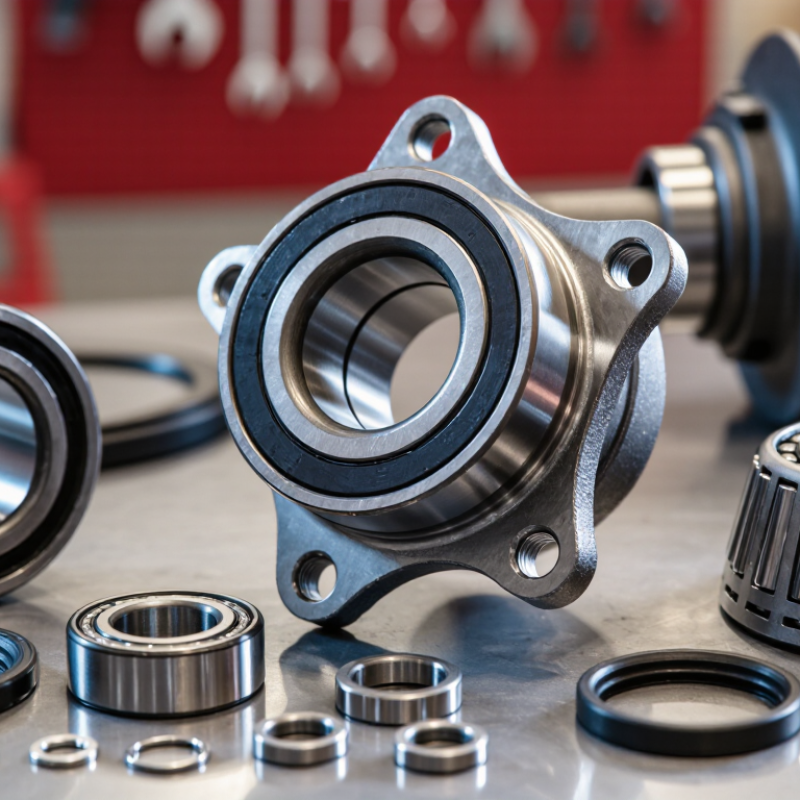
Understanding the Role of an Axle Wheel Bearing
How to Choose the Right Axle Wheel Bearing
Understanding the Role of an Axle Wheel Bearing
An axle wheel bearing supports the vehicle’s weight while allowing the wheel to rotate smoothly. It reduces friction between moving parts and helps keep the wheel aligned under changing road loads. A healthy bearing also contributes to predictable steering and braking. Small component, important job.
Wear may bring humming, grinding, or looseness near a wheel. These clues are not proof of bearing failure; tire wear and other faults can sound similar. A technician can check wheel play, listen for noise, and inspect related parts before recommending replacement. Guessing from sound alone can lead to the wrong repair.
Tips: Match the bearing to the vehicle’s exact year, model, and axle configuration. Check the required dimensions, load rating, seal design, and any integrated sensor features. Follow service specifications for installation and fastener torque; some assemblies need special tools. Don’t choose by appearance or price alone. A near match can still fit poorly, and that detail is easy to overlook.
