
How to Choose Automatic Glass Cutting Machines?
Choosing the right Automatic Glass Cutting Machines can shape a glass workshop’s safety, accuracy, and daily output. The decision should begin with real production needs, not attractive catalog images. Consider glass thickness, sheet size, cutting speed, edge quality, and the types of glass processed. Clear glass, laminated glass, Low-E glass, and coated panels may require different tools and settings.
A reliable machine should offer stable movement, accurate positioning, strong vacuum support, and responsive safety sensors. Software compatibility also matters. Good optimization software can reduce waste by arranging cutting patterns efficiently, especially when expensive glass is involved. Ask suppliers about calibration, blade replacement, training, and service response times. A machine may look impressive on a showroom floor. Workshop conditions are different.
Practical evaluation is essential. Watch the machine cut a full-size sheet, inspect the cut line, and measure positioning accuracy. Listen for unusual vibration. Check whether operators can load glass without awkward movement. Energy use, maintenance access, and spare-part availability should also influence the final choice. The cheapest option may create hidden costs through waste and downtime. No machine is perfect. Even advanced equipment needs skilled operators, regular inspection, and sensible production planning. A careful buyer compares measurable performance with long-term support, then selects equipment that fits today’s workload without limiting tomorrow’s growth.
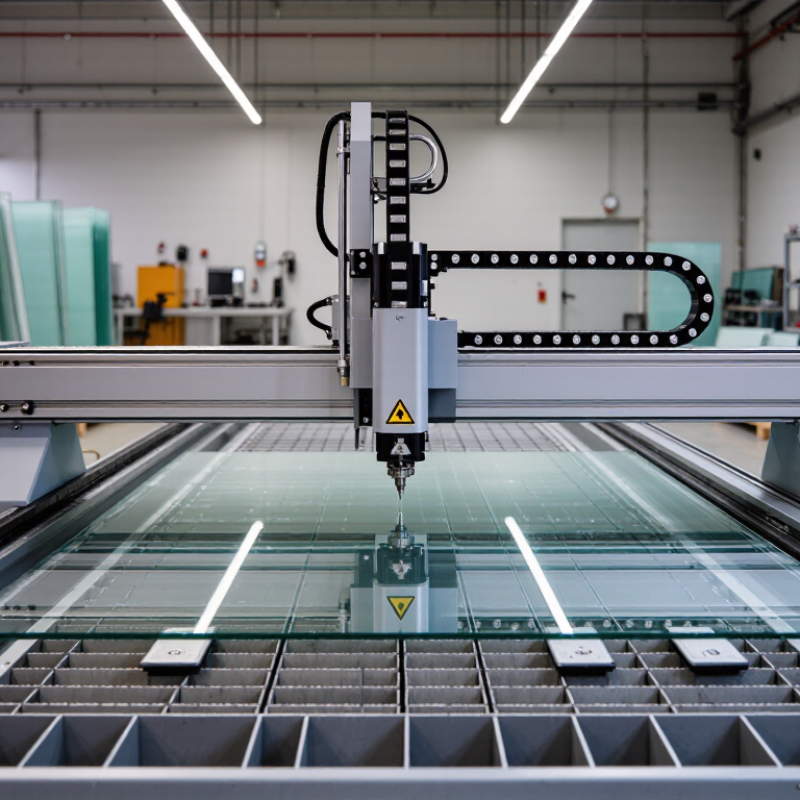
Understanding Automatic Glass Cutting Machine Types
How to Choose Automatic Glass Cutting Machines?
Understanding Automatic Glass Cutting Machine Types
Automatic glass cutting machines differ by cutting task, glass structure, and production volume. A straight-line cutting table suits rectangular sheets for windows, doors, and furniture panels. It uses programmed measurements and a moving cutting head. This reduces manual marking errors. However, it may waste material when orders contain many irregular shapes.
CNC shape-cutting machines handle circles, arches, and complex templates. They are useful for customized projects and frequent design changes. Laminated glass cutting systems use specialized scoring and separation processes for layered sheets. Some production lines also include low-emissivity coating removal equipment. Check the machine’s supported thickness, cutting tolerance, table size, and software compatibility. A fast machine is not always the better choice. Poor handling can leave chips along the edge.
