
How to Choose an Assembly Machine in 2026?
Choosing an Assembly Machine in 2026 is no longer a simple comparison of speed and price. Manufacturers now examine flexibility, data visibility, energy use, safety design, and long-term service support. A machine that produces 120 units per minute may still fail if changeovers consume two hours.
The right decision begins with the product itself. Check component tolerances, fastening methods, inspection points, cycle time, and expected production volume. Then test how the equipment handles real parts, including warped housings, delicate connectors, and minor dimensional variation. A polished factory demonstration can hide practical weaknesses.
Shigeo Shingo, a respected industrial engineering expert, warned, “The most dangerous kind of waste is the waste we do not recognize.” His observation remains valuable when evaluating an Assembly Machine. Unplanned downtime, difficult cleaning, manual adjustments, and poor operator access can quietly increase operating costs. Measure them.
Experience also matters. Ask suppliers for documented uptime, maintenance intervals, spare-part availability, and references from comparable factories. Review the control platform, sensor integration, traceability functions, and cybersecurity responsibilities. Do not accept vague promises.
The cheapest option may become expensive.
A strong selection process should include production engineers, operators, maintenance staff, and quality specialists. Their priorities will differ, and that disagreement is useful. One overlooked issue can affect every shift.
Still, no machine choice is perfect. Forecasts change. Products evolve. The best Assembly Machine is not always the fastest or most automated model. It is the system that fits today’s process, adapts to tomorrow’s demand, and remains understandable when something goes wrong. That final requirement is often underestimated.
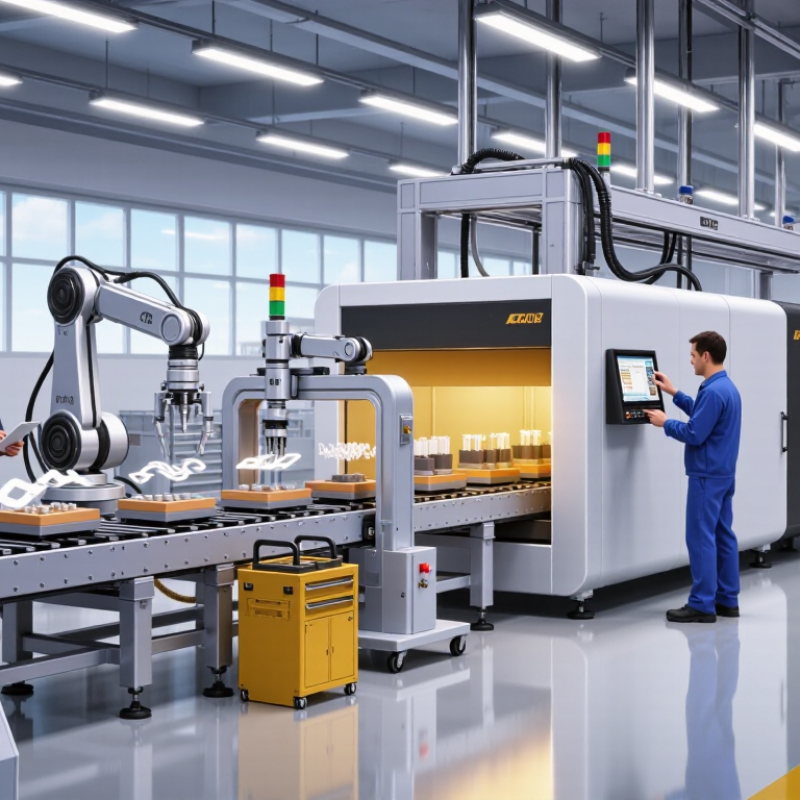
Define Your Assembly Requirements and Production Goals
Before choosing an assembly machine in 2026, define the work clearly. Record product dimensions, component materials, assembly steps, and required tolerances. A small variation can affect feeding, fastening, or inspection. Measure your real takt time, not an optimistic estimate. Include breaks, changeovers, maintenance, and planned downtime. A machine producing 40 units per minute may be unsuitable if your line needs frequent product changes.
Production goals should cover quality, flexibility, safety, and long-term capacity. Decide whether the machine will run one shift or continuously across several shifts. Specify torque accuracy, pressing force, cycle time, reject handling, and data traceability.
Check available floor space, power, air pressure, and operator access. In my experience, teams often focus on speed first. Later, they discover that cleaning takes too long or that tooling changes interrupt production. That mistake is expensive, but preventable.
Tips: Create a simple requirement sheet before requesting quotations. List current output, target output, acceptable defect rates, and future product variants. Ask for a practical demonstration using your actual components. Watch the full cycle. Inspect changeover time, noise, guarding, and error recovery. Leave room for honest uncertainty. Your first capacity forecast may be wrong. Review it with operators, maintenance staff, and quality engineers before approving the machine.
