
How to Choose the Best Restaurant Cooler in 2026?
Choosing a Restaurant Cooler in 2026 means balancing food protection, storage access, and long-term running costs. A unit may look spacious in a showroom but feel cramped beside a busy prep line. Frequent door openings, warm deliveries, and tightly packed shelves all affect daily performance. Small details matter.
Energy deserves careful attention. ENERGY STAR’s commercial refrigeration guidance reports that certified commercial refrigerators and freezers are about 20% more energy-efficient than standard models. The U.S. Energy Information Administration’s 2018 Commercial Buildings Energy Consumption Survey attributes roughly 6% of commercial-building electricity use to refrigeration. That figure covers many building types, not restaurants alone, but it shows why efficiency belongs in the buying conversation. Check each model’s energy-use data, usable capacity, and stated operating conditions rather than relying on a label alone.
The right choice depends on the kitchen’s actual routine. Measure the doorway, service path, and available floor space before comparing reach-in, undercounter, or glass-door designs. Then consider shelf adjustment, door swing, cleaning access, and temperature monitoring. A specification sheet cannot predict every service rush; that limitation deserves attention. Staff habits and room heat matter, too. Not every model fits. This guide explains how to compare Restaurant Cooler options using practical criteria, credible efficiency information, and questions worth asking suppliers before purchase.
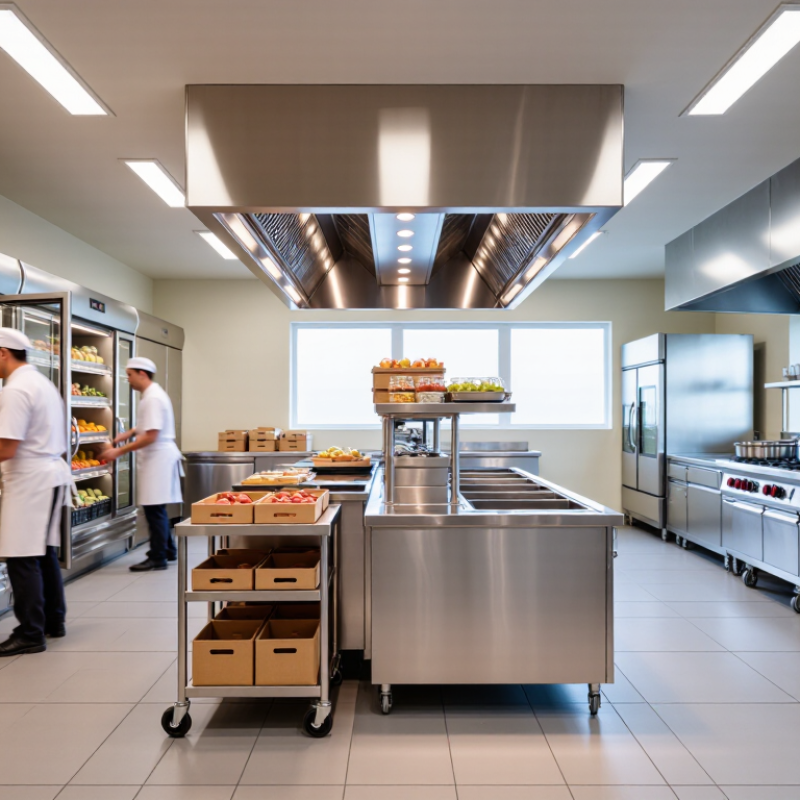
Define the Cooler Type and Capacity Around Menu Volume and Peak-Service Demand
Choose the cooler around the food your kitchen actually handles, not just the floor space available. A reach-in suits packaged ingredients and backup stock; a refrigerated prep table keeps frequently used toppings close to the line. A walk-in may make sense when deliveries are large or menus rely on bulky produce and proteins. The right type depends on access during service as much as total storage.
Estimate capacity from a typical delivery and the busiest shift. List the pans, cases, and containers that need refrigeration, then allow room for air to circulate. A tightly packed cooler can struggle to hold an even temperature. Leave breathing room. Also consider how often staff open the door: a compact unit beside a busy pass may be less useful than a larger unit placed nearby but out of the traffic flow.
Peak demand can expose a poor fit quickly. Track the busiest service period and note which items run low, where staff reach for them, and whether restocking blocks prep. That matters. Capacity estimates are imperfect, especially when menus change or seasonal orders arrive. Revisit the estimate after a few weeks of real service, and check that shelves, pans, and door openings match daily work. A little unused space is usually easier to manage than overloaded shelves and hurried restocking.
