
How to Choose the Best Outdoor Home Elevator?
For many homeowners, staying in a familiar house means more than keeping a favorite chair or garden view. It also means reaching every level safely and comfortably. AARP’s 2021 Home and Community Preferences Survey found that 77% of adults aged 50 and older want to remain in their homes as long as possible. That preference makes home access a practical planning issue, not just a future concern.
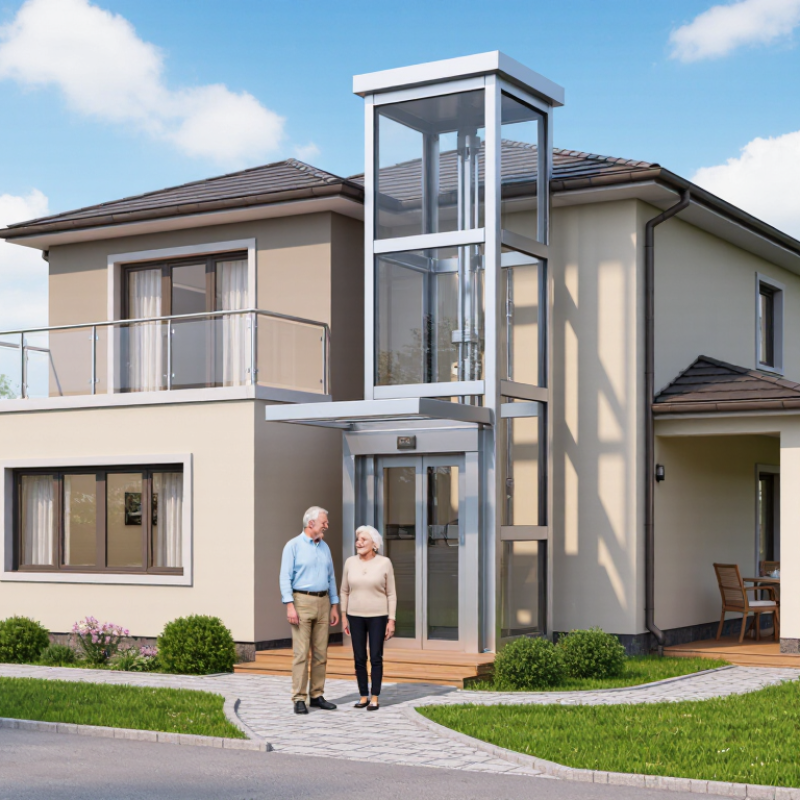
Outdoor Home Elevators can connect floors where an indoor installation is impractical, but the right choice depends on the site. Measure the full travel height and landing space. Notice where rain, snow, wind, or direct sun may reach the equipment. Check how the lift handles power interruptions, emergency lowering, drainage, and routine servicing. Small details matter. A narrow gate or uneven path can complicate access even when the elevator itself fits.
Safety deserves careful, specific attention. The U.S. Centers for Disease Control and Prevention reports that more than 14 million adults aged 65 and older fall each year. That figure does not mean an elevator prevents falls; it does show why planning movement between floors deserves care. Compare the intended users, weight capacity, controls, enclosure, and maintenance needs, then ask qualified local professionals to assess the structure and applicable requirements. An attractive model may still be a poor fit. The honest answer is that no single specification settles the decision: weather exposure, daily routines, and reliable service all count.
Assessing Mobility Needs and Intended Use
Choosing an outdoor home elevator starts with the person who will use it, not the height of the porch. Can they stand, transfer, and turn safely? A cane user may need a steady handrail and an easy entry. A wheelchair user may need room for the chair and a caregiver. Measure the widest mobility device, including handles and footrests. Small details matter.
Consider how often the elevator will run and what will travel with the rider. Daily trips between a patio and a raised entrance differ from occasional access to a balcony. Note whether groceries, a walker, or another person need space too. Think about changing needs. Recovery after surgery may bring more independence, while a progressive condition may call for added assistance later. It is tempting to plan only around today’s routine.
Walk the route at the user’s pace and note steps, narrow landings, door swings, and uneven ground. An outdoor platform may also face rain, wind, or standing water, so site conditions matter. Ask a qualified lift professional to check clearances, platform capacity, controls, and emergency access against the intended use. A detail that seems minor on paper, such as a raised threshold, may become difficult when someone is tired or carrying a bag. I would not assume that a larger platform solves every problem; fit, access, and safe transfers need to work together.
How to Choose the Best Outdoor Home Elevator? - Assessing Mobility Needs and Intended Use
| Assessment Dimension | What to Consider | How It Affects Your Choice | Questions to Ask |
|---|---|---|---|
| Primary users | Identify who will use the elevator now and whether other household members or visitors may need it later. | A solution should suit the least mobile regular user while remaining practical for everyone who will ride it. | Will the user walk, use a cane or walker, transfer from a wheelchair, or remain in a wheelchair during the ride? |
| Mobility equipment | Measure the wheelchair, scooter, walker, or other equipment, including its turning space and any footrests or attachments. | The platform or car must accommodate the equipment and allow safe entry and exit. Confirm clear opening and interior dimensions. | Can the user enter and exit without awkward turning, reversing, or assistance that may not always be available? |
| Transfer and assistance needs | Consider whether the rider can transfer independently and whether a caregiver needs to travel alongside them. | Caregiver travel and transfer space can change the required cabin or platform size and the type of lift that is appropriate. | Does the user need a companion inside the elevator, handholds, a seat, or space for assisted transfers? |
| Intended use and frequency | Estimate typical daily trips, peak use, and whether the elevator is for routine access, occasional visits, or both. | Regular use makes dependable operation, convenient controls, and a clear maintenance plan especially important. | How many trips are expected on a typical day, and will multiple people rely on the elevator? |
| Stops and travel height | List every level to be served, the approximate vertical travel, and the locations where the rider will enter and exit. | The number and arrangement of stops affect layout, access, installation requirements, and the equipment options available. | Are the landings level and reachable by an accessible route, and is there enough clear space at each entrance? |
| Capacity and usable space | Account for the combined weight of riders, mobility equipment, and any caregiver or carried items. | Choose a rated capacity and usable interior or platform area that meet the actual needs; never exceed the manufacturer’s rating. | What is the maximum expected combined load, and does the selected layout fit the largest equipment in use? |
| Outdoor exposure | Assess rain, snow, wind, direct sun, temperature extremes, drainage, and exposure to salt or coastal air. | Outdoor equipment needs materials and protection suitable for the local conditions. A cover or enclosure may reduce exposure but does not remove the need for weather-rated components. | What weather conditions are typical at the site, and how will water drain away from the lift and its access points? |
| Site and access conditions | Review available space, foundation requirements, nearby doors and windows, utility access, and the route to the elevator. | A site assessment can identify structural, drainage, clearance, and accessibility constraints before equipment is selected. | Can the location support the required installation, and will the route remain usable in wet or icy conditions? |
| Controls and safety features | Check control height and reach, visibility, ease of operation, door or gate arrangement, and emergency communication options. | Controls should be usable by the intended rider. Safety features and emergency procedures should match the equipment and local requirements. | Can the user operate the controls independently, and what is the procedure if power fails or the elevator stops? |
| Power and emergency planning | Confirm the electrical supply and ask how the elevator behaves during a power interruption. | Some systems may offer battery lowering or other emergency provisions; availability and operation vary by equipment. | Is backup operation included, what functions remain available, and how will the user request help? |
| Maintenance and long-term use | Review inspection and servicing needs, parts availability, cleaning requirements, and how the user’s needs may change. | Outdoor equipment requires ongoing attention to weather-related wear. A plan for service and future accessibility can improve long-term usability. | What routine service is recommended, and can the installation accommodate future changes in mobility or equipment? |
| Permits and local requirements | Check local building, electrical, accessibility, and safety rules before purchasing or installing equipment. | Requirements vary by location and equipment type; approval and inspection may be required. | Which permits, inspections, clearances, and safety standards apply to this specific installation? |
Planning note: Have a qualified professional assess the site and confirm dimensions, rated capacity, weather suitability, permits, and applicable safety requirements before selecting or installing an outdoor home elevator.
Related Posts
-

How to Choose the Best House Lifts for Your Unique Needs
-

Global Buyers' Choice: Discover the Excellence of China's Leading Outdoor Elevators
-
10 Best Outdoor Home Elevators for Easy Access and Stunning Views?
-

China's Resilient Manufacturing Growth Amidst US China Tariff Challenges in Best Outside Wheelchair Lifts
-
10 Essential Tips for Choosing the Right Wheelchair Elevator
-
Elevate Your Business with High Quality Wheelchair Lifts Made in China for Global Excellence
