147 Mill Ridge Rd Suite 232
Lynchburg, Virginia 24502
Phone 757-982-3665

How to Choose the Best Outdoor Elevator for Your Home?

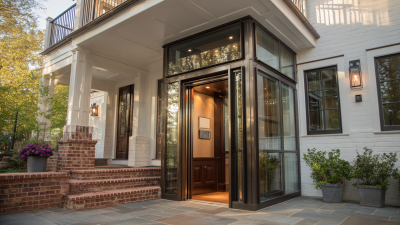
Choosing the right outdoor elevator for your home can be challenging. An outdoor elevator enhances accessibility and adds value to your property. It offers convenience, especially for those with mobility issues.

When selecting an outdoor elevator, consider the design. How will it fit with your home's style? The materials used are also crucial. Durability against weather elements is important. Think about the space you have available. Is your backyard large enough to accommodate it?

You might find that some options seem limited or expensive. Research thoroughly to avoid impulsive decisions. A poorly chosen outdoor elevator may lead to regret. Reflect on your long-term needs to ensure you make the best choice for your home.
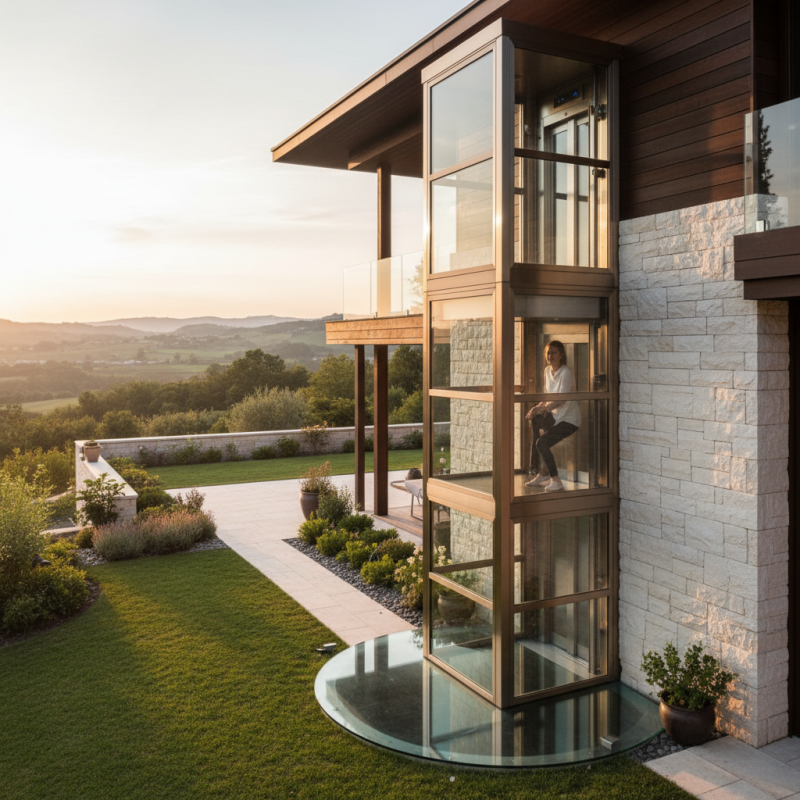
How to Choose the Best Outdoor Elevator for Your Home?

Understanding the Basics of Outdoor Elevators for Residential Use
How to Choose the Best Outdoor Elevator for Your Home?

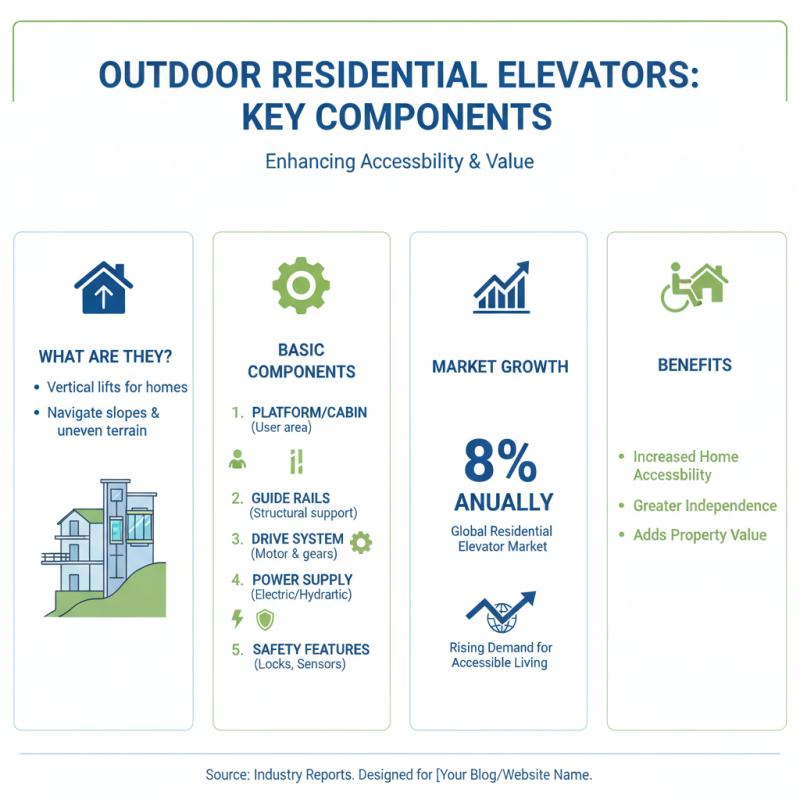
When considering outdoor elevators for residential use, understanding their basic components is essential. Outdoor elevators, often referred to as vertical lifts, are designed to navigate slopes and uneven terrains. They enhance accessibility for homes with multiple levels. According to industry reports, the global market for residential elevators is projected to grow by 8% annually. This highlights a rising demand for accessible living solutions.

Safety features are critical. Many outdoor elevators come equipped with sensors to prevent accidents. Some have automatic shut-off mechanisms when obstacles are detected. The average cost of installation can vary widely, often ranging between $15,000 to $30,000. However, maintenance costs might add up over time. Regular checks are necessary to ensure smooth operations.

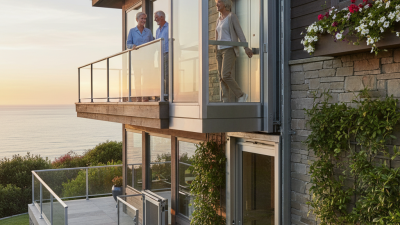
Moreover, space availability greatly impacts your choice. Not every home can accommodate a traditional elevator shaft. Hence, a compact model could be more suitable. Homeowners often overlook this aspect, leading to mismatched expectations. There’s a need to reflect on personal needs and the layout of your property. The right outdoor elevator integrates seamlessly into the surroundings. It’s not just about utility; aesthetic appeal matters too.
Evaluating Your Home's Requirements and Space Constraints

When evaluating your home's requirements for an outdoor elevator, consider the available space. Many homeowners underestimate the width and depth needed for installation. A typical outdoor elevator requires at least 5 feet of width and a similar depth to ensure proper functionality. If your yard is small, this can be a challenge.

Additionally, assess the vertical distance the elevator must cover. According to the National Association of Home Builders, nearly 30% of new homes include three or more stories. This highlights the need for reliable vertical transportation solutions. Climbing stairs can be exhausting for some, particularly the elderly or disabled. Yet, fitting an elevator into a compact area might limit options.

Consider local building codes and aesthetics. Outdoor elevators should complement your home’s exterior. An eye-catching design can enhance curb appeal. However, strict regulations may restrict certain designs. Balancing practicality with visual appeal is crucial. It may prompt more questions than answers, but careful planning is essential in this process.

Comparing Different Types of Outdoor Elevators Available

How to Choose the Best Outdoor Elevator for Your Home?

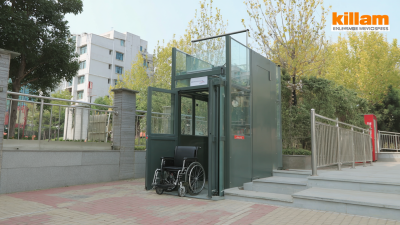
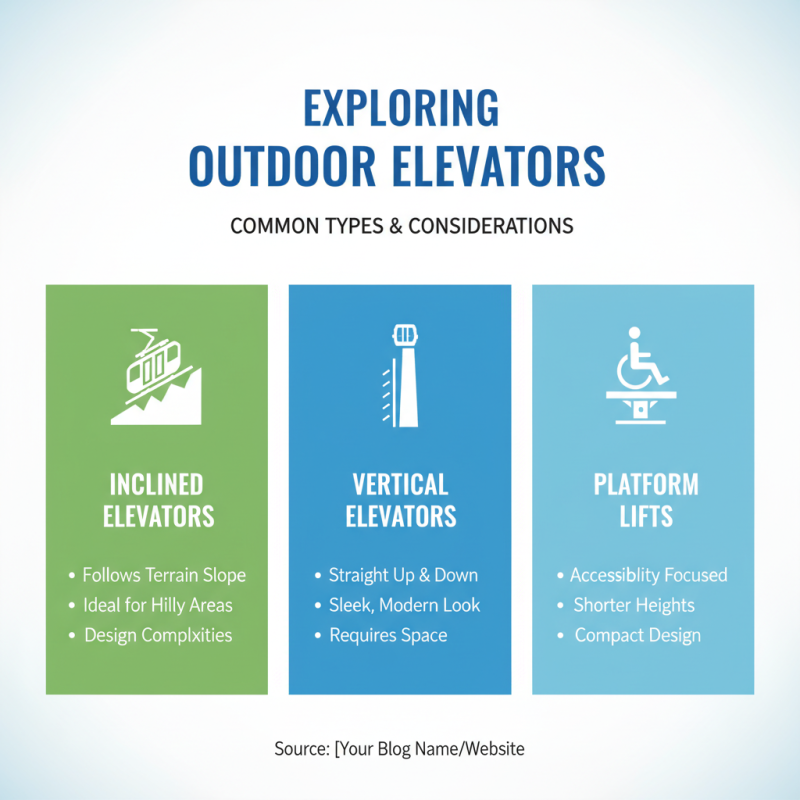
When exploring outdoor elevators, you'll find a range of options. The most common types include inclined, vertical, and platform lifts. Inclined elevators follow the slope of the terrain. They are excellent for hilly areas but may pose design challenges. Vertical elevators, on the other hand, operate straight up and down. They offer a sleek look but can require significant space.

Platform lifts, while less traditional, provide a practical solution. They are versatile and cater to different accessibility needs. However, some homeowners might overlook the safety features. It’s crucial to assess weight limits and weather resistance. Each type presents unique benefits, but also poses potential drawbacks.

Cost is often a concern. Installation and maintenance fees can vary widely. Homeowners may find it hard to balance budget and quality. Careful consideration of your home’s needs is essential. Seek advice if uncertain about the best choice. Researching can feel overwhelming, but it’s necessary for a wise investment. Each option deserves reflection on practicality versus aesthetics.

Assessing Safety Features and Compliance Standards

When choosing an outdoor elevator, safety features are crucial. Look for designs that include sturdy handrails and non-slip flooring. These components can significantly reduce accidents. Additionally, consider an elevator with emergency stop buttons. This function ensures users can halt operation if needed.

Compliance with local regulations is equally important. Every area has rules regarding safety standards for elevators. Research what applies to your location. This may involve checking for certifications or inspections. You can review reports from previous installations. Gathering this information may feel overwhelming, but it's essential for peace of mind.

It’s worth noting that not all elevators offer the same safety features. Some may lack basic safeguards. This oversight can lead to risks. It's vital to assess each option thoroughly. Don’t rush the process; careful evaluation can prevent future problems. Seek expert advice if unsure about specific features or compliance needs. It’s better to be safe than sorry.

How to Choose the Best Outdoor Elevator for Your Home?

Feature Description Compliance Standards Safety Features
Weight Capacity Capacity of up to 1000 lbs ADA Compliance Overload sensors
Power Source Electric or hydraulic options available UL Certification Emergency battery backup
Dimensions Customizable sizes for various home layouts Local Building Codes Automatic self-leveling
Installation Type Outdoor or residential variants ASME A17.1 Safety gates and barriers
Control System Wireless remote or keypad operation NFPA Compliance Emergency stop feature

Budget Considerations and Installation Costs for Outdoor Elevators

When considering an outdoor elevator for your home, budget plays a crucial role. The average cost of an outdoor elevator can vary significantly based on design and materials. Basic models may start around a certain price point, while high-end options can soar well beyond. Planning your budget early can help avoid financial stress later. Ensure you account for additional expenses, like permits and inspections.

Installation costs can also add up quickly. It's not just about the elevator itself. Think about the labor involved and any structural modifications needed. Some homeowners underestimate this aspect. Finding experienced professionals is essential, but it can be more costly than anticipated. Unexpected issues may arise during installation. A hidden obstacle could lead to additional fees. Planning for these potential challenges is wise.