
How to Choose the Best Metal Tool Box in 2026
Choosing the best Metal Tools Box in 2026 is less about buying the largest case and more about matching it to your work. A box that fits neatly under a bench may be awkward to carry across a job site. One with shallow drawers can make small fasteners easy to find, but leave little room for a drill. Details matter. Check the steel thickness, drawer slides, handle attachment, and latch before comparing finishes or extras.
Workshop-storage specialist Daniel Reed sums up the decision this way: “A good tool box protects your tools, but it should also make the next task easier.” That is a useful test, not a guarantee. Think about the tools you actually reach for, then check the box’s internal dimensions against them. A tape measure helps. So does a quick count of your heavier items. Look for smooth drawer movement under load, reinforced corners, and a finish that can handle ordinary workshop scuffs. If the box will travel, consider its weight when full, not just empty.
This guide explores construction, capacity, portability, security features, and value, helping you compare options with practical criteria. It also considers a common oversight: storage needs change. You may buy more tools. You may rearrange your workspace. No box solves every problem. Still, a careful choice can reduce clutter, protect equipment, and save time spent searching for a socket buried beneath a wrench. Check product specifications closely, and treat broad durability claims with a little caution. Don’t rush the fit.
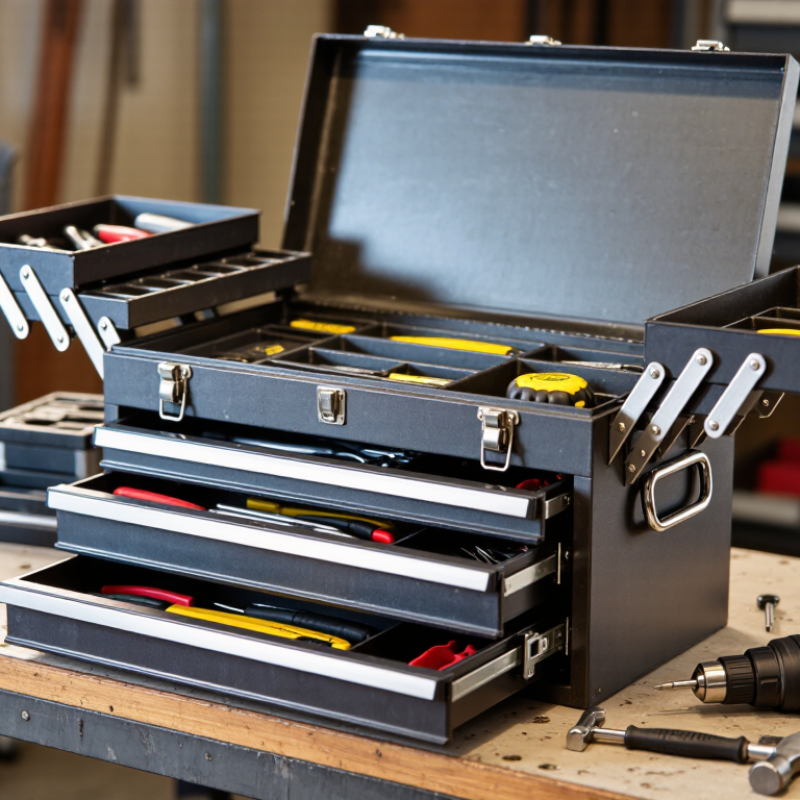
Identify Your Tool Storage Needs and Intended Use
How to Choose the Best Metal Tool Box in 2026
Identify Your Tool Storage Needs and Intended Use
Start with the tools you actually carry. A homeowner storing a drill, tape measure, and fasteners needs different storage from a technician hauling heavy sockets between job sites. List your largest tools, then check their dimensions against drawer depth and box capacity. Measure the space where the box will live, too. Small detail. Big difference.
Think about travel, weight, and access. A stationary workshop box can prioritize deep drawers and a broad top surface. For frequent transport, handles, secure latches, and manageable loaded weight matter more. The U.S. Bureau of Labor Statistics reported 2.6 million nonfatal workplace injuries and illnesses in private industry for 2023. That figure does not show that tool boxes prevent injuries, but it is a useful reminder to consider lifting and handling. A larger box can become a burden once it is full.
Tips: Weigh your usual load, not just the empty box. Keep frequently used tools near the top, and reserve a little space for future additions. Avoid buying capacity you cannot comfortably move. I’d choose a slightly smaller box over one that stays awkwardly overloaded.
