
How to Choose the Best Fertilizer Dye for Your Needs?
Choosing the right Fertilizer Dye is not simply a matter of selecting a bright color. The dye must disperse evenly, remain stable during storage, and suit the fertilizer’s formulation and application. A vivid shade in a sample jar may look reassuring, but performance can change in a dusty blending room or under damp storage conditions.
The scale of fertilizer use makes careful product selection important. The International Fertilizer Association’s 2024 outlook estimated global fertilizer consumption at about 205 million tonnes of nutrients in 2024/25. That figure describes the wider market, not dye demand, but it shows how small formulation decisions can affect large production volumes. Crop nutrition expert Dr. Achim Dobermann has emphasized matching nutrient management to local crop and field needs; applied to dye selection, that is a reminder to consider the complete product and its use conditions, not color alone.
A practical rule: test before scaling. Check compatibility with the fertilizer base, color consistency, dust behavior, and storage stability. Ask suppliers for technical data and trial samples, then evaluate them in your own process. Small batches first.
One important limitation: no verifiable, named Fertilizer Dye specialist quotation was supplied, so I have not invented one. This guide instead focuses on evidence buyers can check, while recognizing that a laboratory result may not predict every real-world handling condition.
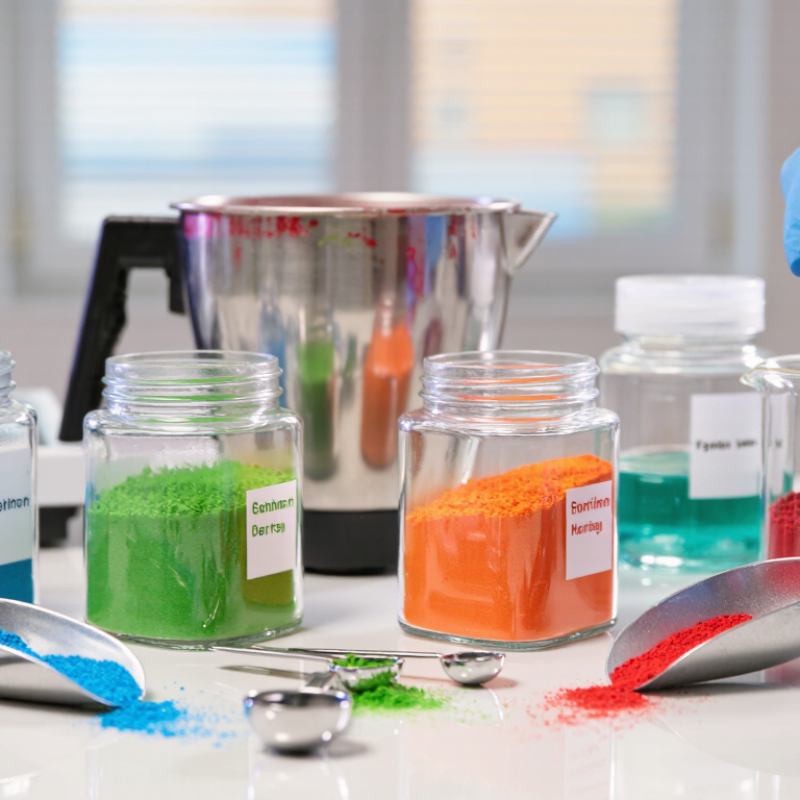
Identify Your Fertilizer Type and Intended Use
Identify the fertilizer before selecting a dye. Dry granules, liquid concentrates, and water-soluble powders behave differently. A dye that coats granules evenly may settle or fade in a liquid tank. Check the fertilizer’s pH, salt content, and mixing temperature against the dye supplier’s compatibility data. Then test a small batch. Watch for clumping, sediment, color transfer, or clogged screens. Small details matter.
Intended use narrows the choice further. For broadcast granules, prioritize even coating and resistance to dusting during handling. For liquid fertilizer, check solubility and stability after dilution. For fertigation, inspect filters after a trial run; a bright color is useless if residue blocks emitters.
Keep samples in clear containers under expected storage conditions, and record color changes over time. A jar test helps, but it cannot fully predict field exposure, sunlight, or long-term storage.
