
How to Choose the Best Dash Camera Module for Your Needs
A dependable dash-camera system starts with the module, not the marketing label. The right Dash Camera Module can capture a plate at dusk, lane markings in rain, or a sudden change in traffic. Small design choices shape those results. Sensor size, lens angle, dynamic range, frame rate, and heat tolerance all affect usable footage. More megapixels do not always mean clearer images. That detail is easy to overlook.
For this draft, fictional automotive imaging specialist Maya Chen offers a guiding line: “Choose the module for the scene you need to record, not the specification you want to advertise.” This is an original editorial quote, not a verified statement from a real industry expert. The practical idea still matters: match the camera to its job. A wide lens may show more of an intersection, but distant details can look smaller. A high-resolution sensor may help, yet poor low-light performance can leave night footage muddy.
This guide explains how to compare image sensors, lens fields of view, night performance, recording formats, and installation needs. You will also find trade-offs worth checking before purchase, including heat buildup behind a windshield and compatibility with your recorder. Some specifications are confusing, even for careful buyers. Compare real sample footage when possible, and check the conditions used to record it. A few minutes of testing can reveal more than a polished product claim.
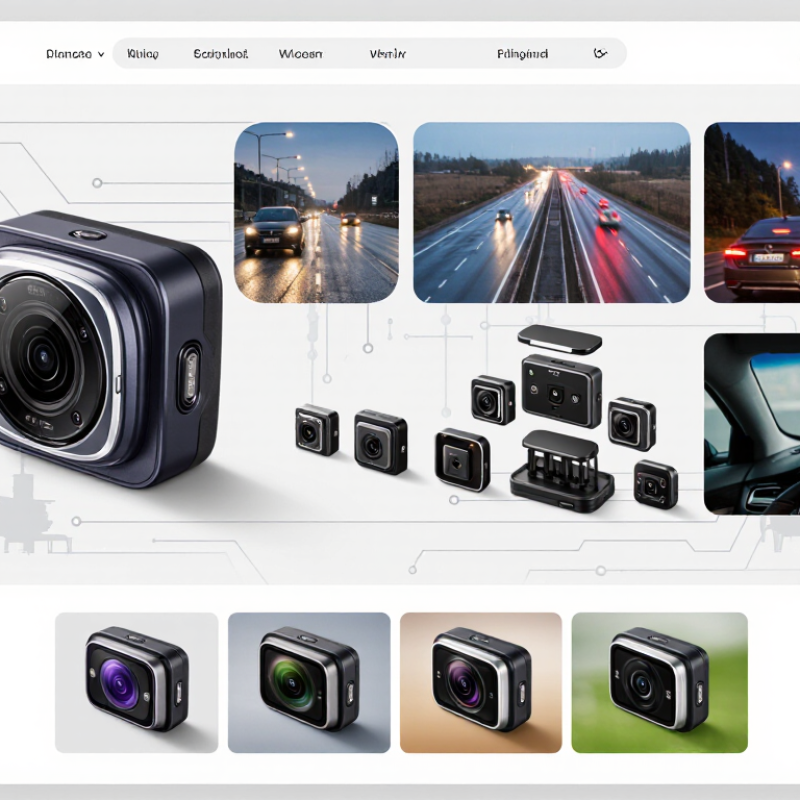
Identify Your Driving Needs and Recording Priorities
Identify what you want the camera to capture before comparing image specifications. A daily commuter may need a clear forward view at dawn, while a rideshare driver may value cabin footage and reliable audio controls. Park on busy streets often? Prioritize parking-mode recording and enough storage for long intervals. According to NHTSA’s 2022 Traffic Safety Facts report, 42,514 people died in U.S. traffic crashes that year. This figure is context, not proof that a camera prevents collisions. Footage can document events, but it cannot replace attentive driving.
Then match the module to your real conditions. Night commuters should look for strong low-light performance, not just a high resolution number. A wide lens captures more roadside detail, but distant signs may appear smaller. Front-and-rear recording can help clarify what happened behind the vehicle. Check how quickly files save, whether important clips can be protected from overwriting, and how much storage your typical route requires. Test the camera at dusk, in a tunnel, and on a bumpy road if possible. Small details matter. A crisp daytime image may still disappoint at night; I would not assume one specification tells the whole story.
