
How to Choose the Best Compression Molding Machine in 2026?
Choosing the best Compression Molding Machine in 2026 is not simply a matter of buying the largest press. The right choice depends on the material, part geometry, production volume, and consistency your operation requires. Plastics Europe’s Plastics – the Fast Facts 2024 report puts global plastics production at 413.8 million tonnes in 2023. That figure covers plastics broadly, not compression-molded products alone. Still, it shows the scale of the manufacturing landscape buyers are working within. Demand is broad.
For buyers, practical fit matters more than a headline tonnage rating. Match platen size and clamping force to the mold, then examine heating uniformity, pressure control, cycle time, and energy use. A useful comparison also includes automation, safety features, mold-change access, and the availability of local technical support. Check the supplier’s published specifications against real production samples and ask how performance was measured. Small details count. A slow mold change or uneven temperature across the platen can affect output, even when a machine looks impressive in a brochure.
There is no universal best machine. A press suited to a high-volume automotive component may be a poor fit for short runs or a different material. This guide explains the selection criteria, data to request, and questions to ask suppliers in 2026. It also flags a common blind spot: buyers may focus on purchase price while underestimating setup time and ongoing service needs. Those costs deserve a closer look.
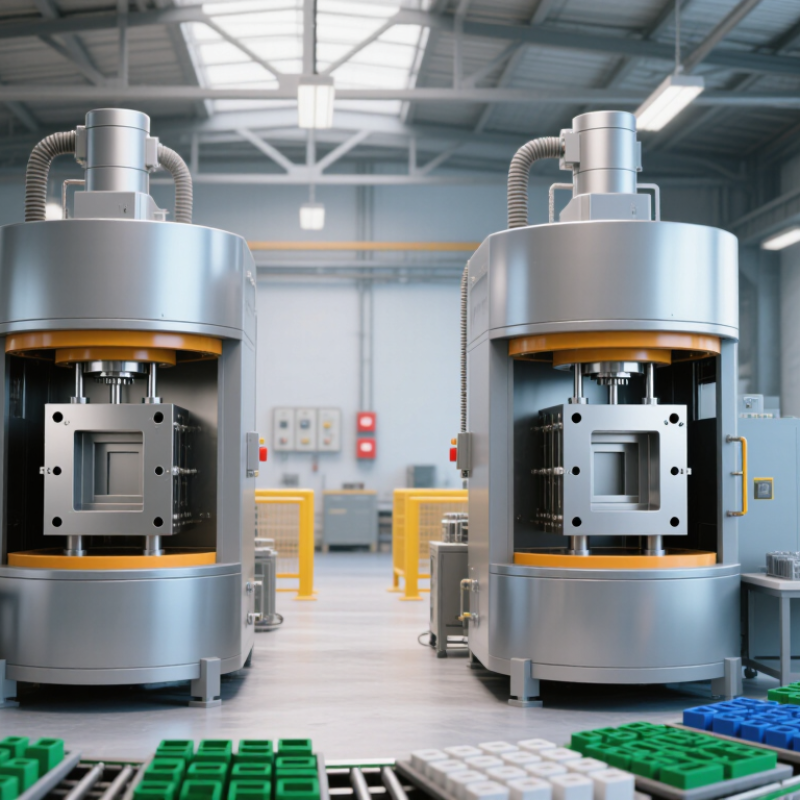
Define Your Part Requirements and Production Goals
Before comparing compression molding machines, define the part and the job it must do. Record its dimensions, weight, wall thickness, tolerances, and surface-finish requirements. Note material type, expected cure behavior, and any inserts that must stay in position. Small details matter. A thin rib or uneven wall can affect mold filling and cycle time.
Tips: Bring a drawing, material data sheet, and sample part to the machine review. List the target output per shift, planned operating hours, and acceptable scrap rate. Check that the platen size, daylight, mold-opening stroke, and heating method suit the actual tool. Estimate clamping force with a qualified process specialist; projected area and material behavior both matter.
Set goals for today and for likely demand growth, but keep forecasts realistic. Include changeover time, operator access, maintenance, and available floor space. Our first cycle-time estimate is often optimistic, so label it provisional and validate it with a mold trial. Ask how temperature uniformity and pressure control will be checked across the mold. A machine that meets a headline tonnage figure may still be a poor fit if its controls, opening dimensions, or workflow do not match your part. Revisit the requirements when the design changes.
