
What Is the Best Cargo Load Bar for Trucks?
Choosing the best Cargo Load Bar is less about buying the thickest tube and more about matching its range, end fittings, and working-load rating to the truck. A bar that looks solid in a warehouse can still slip against a dusty wall or fail to span an uneven trailer interior. Fit matters. So does regular inspection.
The Federal Motor Carrier Safety Administration’s Large Truck and Bus Crash Facts 2022 reported 5,837 large trucks involved in fatal crashes that year. That figure does not identify cargo bars as a cause, but it underscores why securement deserves careful attention. FMCSA cargo-securement guidance also emphasizes preventing cargo from shifting or falling during transport. For buyers, the practical questions are specific: Will the bar fit the measured gap? Do its feet grip the actual wall surface? Is its rated capacity suitable for the load and application? A bar is one part of a securement system, not a substitute for checking the whole setup.
This guide compares common bar types, adjustment ranges, materials, grip designs, and load ratings. It also covers inspection points, including worn rubber feet, bent tubes, and damaged locking mechanisms. The goal is practical, not flashy. One limitation: no source articles or verifiable expert quotation were provided, so I cannot responsibly attribute a sentence to a named Cargo Load Bar expert. The right quote should come from a traceable interview or published source—not a guess.
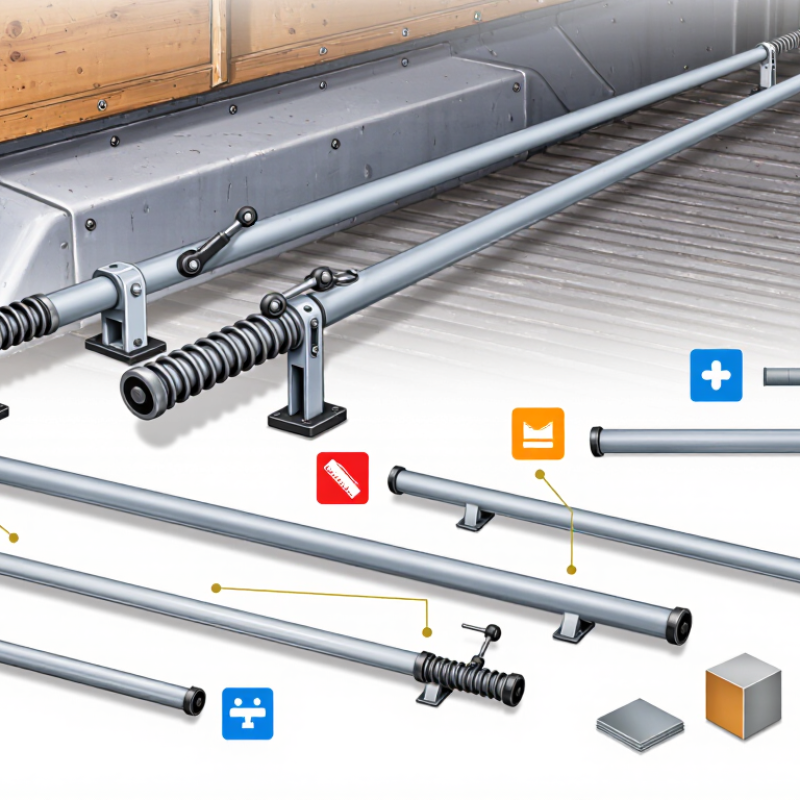
Cargo Load Bars for Trucks: Definition, Purpose, and How They Work
What Is the Best Cargo Load Bar for Trucks?
A cargo load bar is an adjustable brace that spans a truck bed or enclosed cargo area. It presses against opposing walls to help limit movement during turns, braking, and bumpy drives. Some models use a ratcheting handle; others lock with a twist mechanism. The bar creates pressure, not a permanent attachment. Its grip depends on the surface, correct adjustment, and the load it is designed to handle.
A load bar works best when positioned firmly against strong, flat sidewalls and close to the cargo it is meant to restrain. Check the bar’s stated capacity and inspect its feet, locking parts, and contact surfaces before each trip. One small detail matters: a dusty or uneven wall can reduce grip. Bars can also shift if cargo settles. They are useful support, but should not replace suitable tie-down straps when a load needs direct restraint.
Tips: Set the bar snugly, not excessively tight. Keep its feet clear of seams and fragile panels. After a short drive, stop safely and check whether the cargo or bar has moved. A quick recheck is easy to forget.
