How to Choose the Best Air Suspension Blower for Your Needs?
Choosing the right Air Suspension Blower is crucial for optimal performance and safety in various applications. The air suspension system relies on air pressure, which is significantly influenced by the quality of the blower. In recent industry reports, it has been noted that improper selection can lead to a 30% decrease in efficiency and premature wear of suspension components.
To ensure reliability, it's essential to evaluate the power, noise levels, and durability of the Air Suspension Blower. High-quality blowers can operate efficiently under varied conditions, extending the lifespan of the system. However, not all products meet these standards. Experts recommend examining specifications and industry certifications to avoid poor-performing models.
Air suspension systems are integral to modern automotive and industrial applications. The right blower can greatly enhance ride comfort and operational efficiency. Yet, many users often underestimate this selection process. Prioritizing quality over price can lead to significant long-term savings. A thoughtful evaluation of your needs is necessary to prevent costly mistakes.
Understanding Air Suspension Blowers: Basics and Functionality
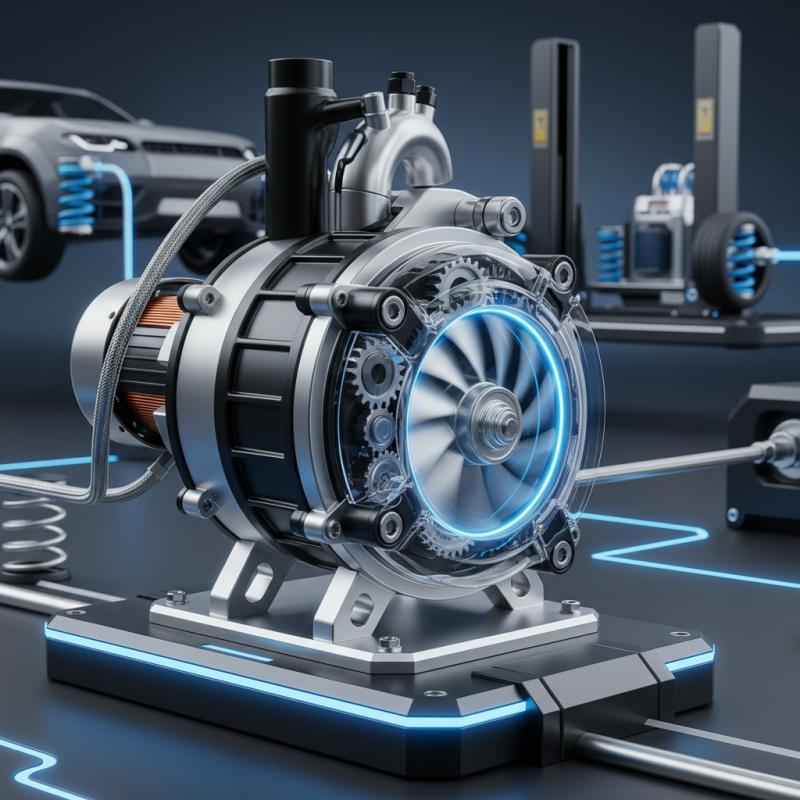
Air suspension blowers play a vital role in the performance of air suspension systems. These devices generate the necessary air pressure to adjust the suspension's height and comfort level. Understanding their basics can help users make informed decisions. Each blower comes with unique specifications that affect how it operates under different conditions.
When selecting an air suspension blower, consider the specifics. Know the air volume requirements for your vehicle. This information helps ensure optimal performance. Look for features like noise levels and energy efficiency. Gauge how these factors align with your expectations. However, functionality can be inconsistent, depending on the environment and usage.
Many users find air suspension systems complex. Confusion often arises during installation or troubleshooting. Clear instructions are critical, yet some blowers lack user-friendly guides. This gap can lead to improper use and potential damage. Always seek advice from trusted sources to avoid costly mistakes. Understanding these intricacies is essential for maximizing the benefits of an air suspension blower.
Identifying Your Specific Needs for Air Suspension Blowers
When seeking the best air suspension blower, understanding your specific needs is paramount. Different applications require varying levels of pressure and airflow. Based on industry reports, an optimal air suspension blower should deliver consistent airflow rates, often ranging from 50 to 150 CFM (cubic feet per minute) for most vehicles. This means you must assess the type of vehicle you are working on to ensure compatibility.
Another critical aspect is pressure management. Blowers can typically operate within a pressure range of 2 to 10 PSI. Higher pressure ratings may benefit heavy-duty applications, while standard trucks or passengers’ vehicles often require lower levels. Evaluate what you need to maintain proper suspension levels while balancing cost and efficiency. The choice of features such as noise reduction, weight, and durability should also be considered.
Data highlights that many users overlook maintenance, impacting longevity. A blower’s lifespan can diminish if not properly cared for. Dust and debris can cause clogs, leading to performance issues. Regular cleaning and checking for wear can drastically enhance durability. Recognizing these challenges helps in making an informed decision that not only meets immediate needs but also ensures future reliability.
How to Choose the Best Air Suspension Blower for Your Needs?
| Feature | Description | Importance Level |
| Blower Type | Electric or Pneumatic | High |
| Air Flow Rate | Measured in CFM | High |
| Pressure Range | psi requirements to suit your system | Medium |
| Noise Level | Measured in decibels | Medium |
| Size and Weight | Portability considerations | Low |
| Power Source | AC power or battery-operated | High |
| Durability | Material and construction quality | High |
| Cost | Initial purchase and maintenance | Medium |
Key Features to Consider When Choosing an Air Suspension Blower
When selecting an air suspension blower, key features become crucial. Look for versatility in pressure settings. Different vehicles require specific air pressures. A blower that offers adjustable settings will cater to these needs effectively. Assessing the blower's airflow capacity is also essential. Higher airflow ensures quicker inflation and deflation processes, saving time and enhancing convenience.
Durability plays a significant role too. A robust blower withstands heavy use and harsh environments. Materials like corrosion-resistant alloys are often preferable. Consider noise levels as well; quieter models can significantly enhance user experience. Battery life should not be overlooked either. A well-engineered system will allow extended operation without frequent recharging.
Lastly, ease of use should be considered, too. An intuitive interface simplifies operation for users of all skill levels. Some models boast additional features like integrated pressure gauges. These provide clear visibility of the system's performance. Reflecting on any unique needs will help lead to a better fit for individual situations.
Comparing Different Brands and Models of Air Suspension Blowers
When choosing an air suspension blower, it's essential to consider various brands and models available in the market. Recent industry reports indicate that different brands offer distinct features, including motor power and noise levels. For instance, some blowers operate at noise levels as low as 60 dB, making them suitable for residential areas, while others can exceed 80 dB, which may not be ideal for such environments.
Investigating the specifications is crucial. Look for blowers with variable speed options, allowing customization based on your needs. According to studies by trade associations, blowers with a higher CFM (Cubic Feet per Minute) rating often deliver better performance. Users often report that a CFM rating of at least 150 is satisfactory for most air suspension systems, but this can depend on specific vehicle requirements.
Additionally, consider the durability and warranty of the product. Some brands boast lifespans of over five years, while others may fail within the first year. Careful comparisons can help prevent costly replacements. Users may overlook the importance of customer service and support. Have past customers reported difficulty in receiving assistance? Reviewing feedback may reveal vital information that can influence your choice. Ultimately, understanding these nuances is key to selecting the right blower for your needs.
Maintenance Tips for Optimal Performance of Air Suspension Blowers
Air suspension blowers play a crucial role in maintaining optimal performance. To ensure your blower operates efficiently, regular maintenance is essential. Clean air filters frequently. This simple task prevents blockages and promotes smooth airflow. Inspect the unit for any signs of wear. Addressing issues early can save you from costly repairs later on.
Check the blower's seals, as damaged seals can lead to air leaks. Leaks not only reduce efficiency but can also lead to system failures. If you notice any unusual sounds or vibrations, it might be a sign of a malfunction. Don’t ignore these signals; they may indicate deeper issues.
Keep a log of your maintenance activities. Document the frequency of filter changes and any repairs conducted. This record helps you track the performance over time. Additionally, remember that neglecting regular maintenance may cause your blower to underperform, affecting your air suspension system's overall functionality. Prioritize these tips for better performance.