
How to Choose the Best Acid Storage Cabinets?
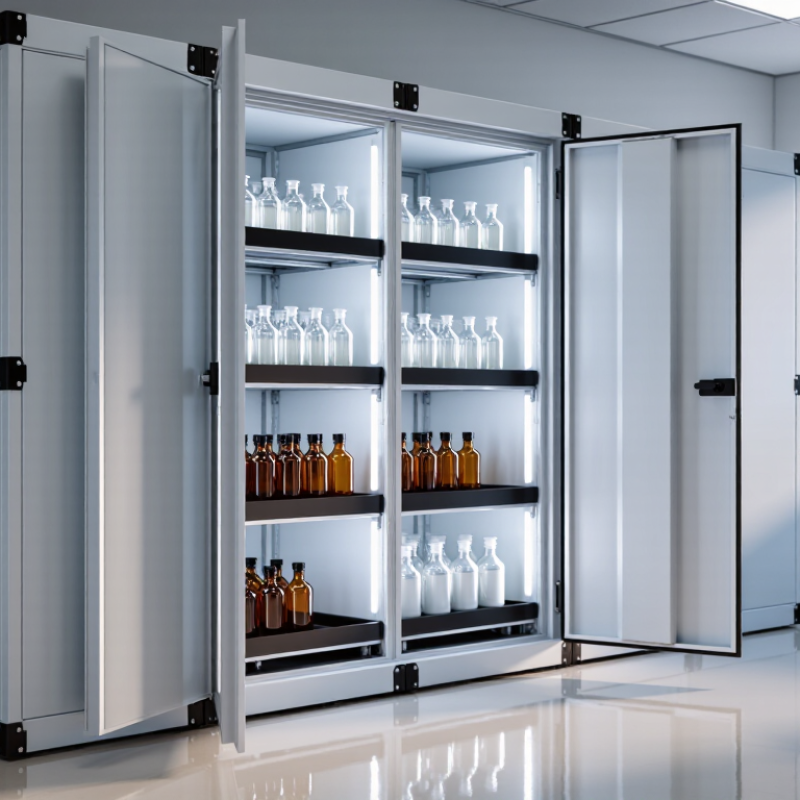
Choosing the right Acid Storage Cabinets is not just a matter of finding a box that fits the available space. The cabinet must suit the acids being stored, the container sizes, and the way staff access them during routine work. A narrow shelf may hold small reagent bottles but leave larger containers unstable. Details matter.
Start by checking chemical compatibility. Review each product’s safety data sheet and confirm cabinet materials with the cabinet manufacturer; “acid-resistant” does not mean suitable for every acid or mixture. Look closely at the liner, seams, shelves, and spill tray. These are the surfaces most likely to meet leaks or drips. Fit is not enough.
Capacity deserves equal attention. Measure the tallest bottle, allow room for clear labels, and check that shelves can support the intended load. Consider door clearance, aisle space, and whether containers can be moved without awkward lifting. A cabinet that is technically large enough may still be difficult to use safely. That is easy to overlook.
Ventilation, warning labels, and separation from incompatible materials also need careful review. Requirements can vary with the chemicals, facility, and local workplace rules, so avoid relying on a generic product description alone. Ask for written compatibility guidance when details are unclear. A small uncertainty is worth resolving before installation.
The best choice is the one that matches actual storage conditions, not just a checklist or a low price. Compare specifications, inspect maintenance needs, and plan how spills will be handled. Even a well-chosen cabinet needs regular checks. It is not a substitute for sound handling practices.
Classify Acid Hazards Using SDS Sections 2, 7, and 10 and GHS pH ≤2
How to Choose the Best Acid Storage Cabinets?
A reliable cabinet choice starts with the Safety Data Sheet, not the bottle label alone. In Section 2, check the hazard classification, pictograms, and precautionary statements. Aqueous products with pH ≤2 deserve careful review: this is a useful GHS screening flag for possible corrosivity, not a complete classification by itself. Concentration and other test evidence matter. Small clues matter.
Section 7 describes safe handling, storage conditions, and incompatible materials. Section 10 adds details on stability, hazardous reactions, and substances to avoid. Compare these sections across every acid you plan to store. If one SDS warns against contact with metals, for example, confirm that the cabinet’s interior, shelves, and fittings suit that chemical. Cabinet materials vary. Do not assume every “acid cabinet” handles every acid equally well.
Choose a corrosion-resistant cabinet whose construction is compatible with the specific products and their containers. Keep incompatible substances apart when the SDS calls for separation; oxidizing acids, for instance, may need separation from organic materials. Use secondary containment that can withstand the stored liquid, and follow the manufacturer’s capacity and ventilation guidance. I would recheck the SDS after a product or formulation changes. It is easy to overlook a small revision. A qualified safety professional can help resolve unclear compatibility or storage requirements.
