
How to Choose Swagelok Stainless Steel Tubing in 2026?
Choosing Swagelok Stainless Steel Tubing in 2026 is not just a matter of selecting a stainless grade. The right choice depends on pressure, temperature, fluid compatibility, installation conditions, and the fittings used. A tube that looks suitable on a workbench may perform poorly once exposed to vibration, corrosive media, or repeated pressure changes. Small details matter.
Swagelok technical guidance offers a useful selection principle: “Match the tubing to the system conditions, not just the fitting size.” Treat this as a practical rule, not a substitute for checking current product specifications. Start with the tube’s outside diameter and wall thickness. Then verify material grade, hardness, surface condition, and pressure ratings against the intended application. For demanding service, confirm compatibility with the fluid and operating temperature. Check that the tubing and fittings are designed to work together.
This guide will help you compare those factors, review documentation, and avoid common selection mistakes. For example, a slightly different wall thickness can affect fitting performance, while an unverified material grade can undermine corrosion resistance. Product details and availability can change, so confirm requirements with current Swagelok documentation or a qualified fluid-system specialist before purchase. There is no universal “best” tube. The best choice is the one supported by the application data—and sometimes that means revisiting an assumption you thought was settled.
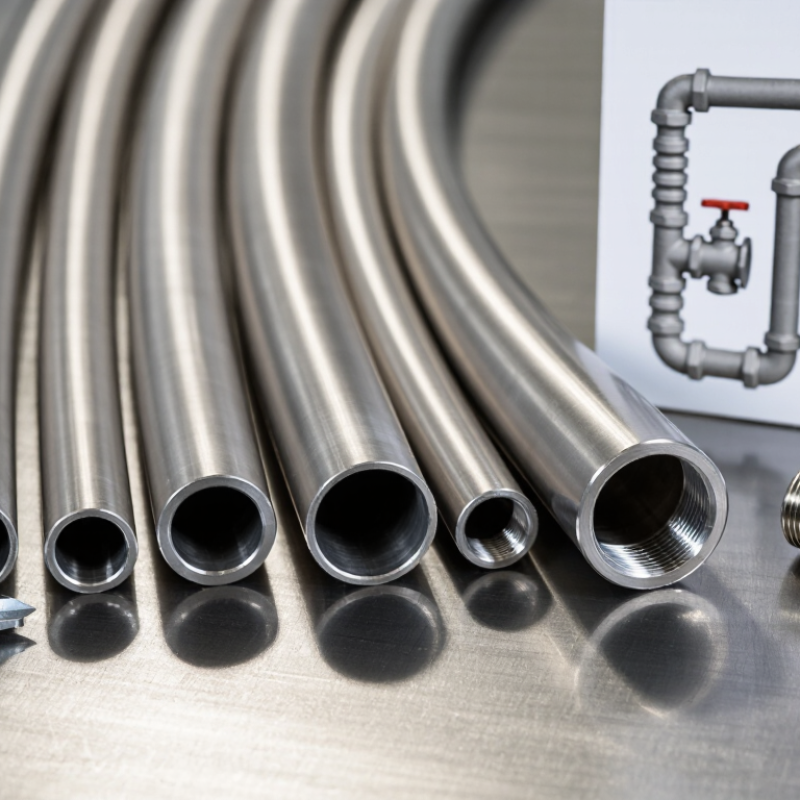
Define the Tubing Application and Operating Requirements
Before selecting stainless steel tubing, define what it will carry and where it will operate. Record the fluid or gas, normal and peak pressure, temperature range, and any pressure surges. Is the line exposed to salt spray, cleaning chemicals, or moisture? Those details affect material compatibility and corrosion risk. Small details matter.
Measure the route, including bends, supports, and connection points. Tight spaces may require smaller outside diameters, but reducing size can increase pressure drop. Check the required flow rate and confirm that the selected diameter and wall thickness meet the system’s needs. Vibration deserves attention, too. A line beside a pump may need closer support than a quiet instrument run.
Specify cleanliness requirements and whether the tubing must be protected from contamination during storage and installation. Then compare operating conditions with current pressure-rating data for the exact material, size, and wall thickness. Do not rely on a familiar size from an older project; temperature and configuration can change the allowable rating. I have seen planning miss the awkward bend near a panel. It is easy to overlook, and worth checking on site.
