How to Choose the Right Twin Shaft Mixers for Your Business?
Choosing the right mixers for your business can be challenging. Twin Shaft Mixers offer powerful solutions for various industries. These machines are known for their efficiency and ability to handle a wide range of materials. When investing in Twin Shaft Mixers, some factors are crucial to consider.
First, think about your specific mixing needs. Different applications may require different features. For example, the type of material and desired consistency play key roles. It's essential to analyze these requirements carefully. How frequently will you use the mixer? Will it need to handle large volumes or only small batches? These are questions to ponder.
Moreover, seeking expert advice can be beneficial. Manufacturers often provide guidance tailored to your needs. However, not all suppliers have the same level of reliability. Researching their reputation can save you from potential pitfalls. Ultimately, selecting the right Twin Shaft Mixers demands thoughtful consideration and informed decision-making. It's about finding the balance between performance, cost, and specific business requirements.
Understanding the Basics of Twin Shaft Mixers and Their Functions
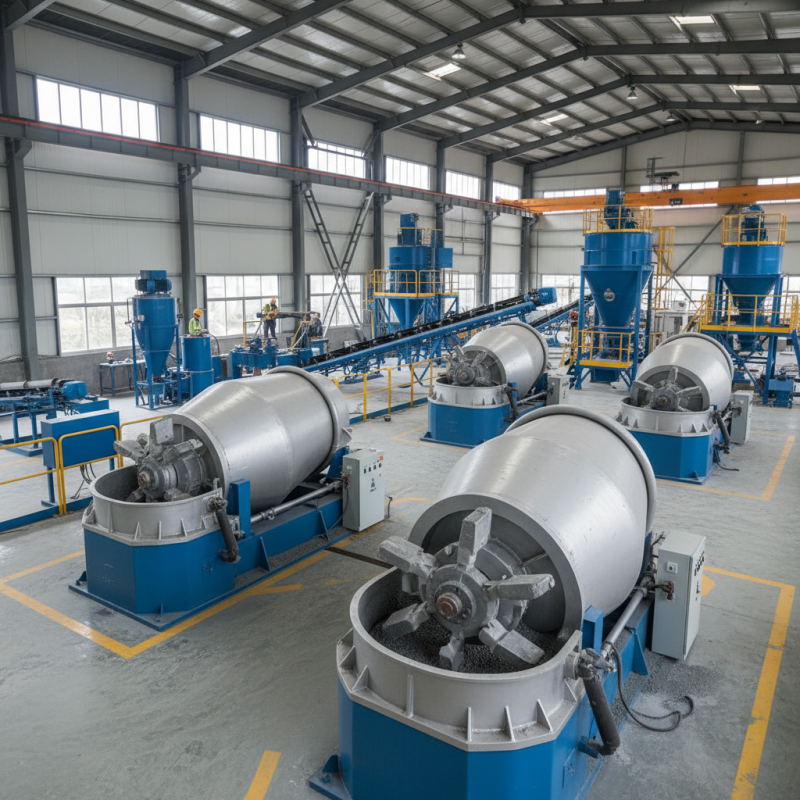
Twin shaft mixers play a crucial role in various industries, including construction and food processing. Understanding how these mixers function helps businesses choose the right equipment. These mixers are designed to blend materials efficiently, ensuring uniform consistency. They work by utilizing two horizontal shafts equipped with blades that rotate in opposite directions. This action creates a strong shear force, facilitating the mixing of various materials.
According to a recent market report, twin shaft mixers account for nearly 30% of the global concrete mixer market. This suggests their growing importance in efficient production processes. The ability to mix large volumes quickly is a key advantage. In many applications, achieving a homogeneous mixture can significantly affect product quality. For instance, in concrete production, inconsistent mixing can lead to structural vulnerabilities.
However, not all twin shaft mixers are created equal. Some may struggle with specific material types or require frequent maintenance. It’s essential to assess your business needs critically. Consider factors like batch size, material properties, and desired mixing time. Investing in the right mix can lead to improved efficiency and higher productivity. This evaluation process helps mitigate risks of inadequate mixing outcomes, ultimately supporting business growth.
Analysis of Twin Shaft Mixers Performance Characteristics
Identifying Your Business Needs and Material Requirements
Choosing the right twin shaft mixers requires a deep understanding of your business needs and material requirements. Begin by assessing the types of materials you intend to mix. Consider their viscosity, density, and any specific properties they may have. For example, if you are working with concrete, the mixer must handle heavy, granular substances efficiently. Each type of material presents unique challenges.
Next, think about your production capacity. Define how much material you need to mix within a specific timeframe. High-volume operations demand powerful mixers, while smaller businesses may benefit from models with lower output. Also, consider maintenance needs. Some mixers require more upkeep than others. It’s essential to balance your operational requirements with the equipment’s reliability.
It's also wise to evaluate the specific application of the mix. You might need diverse mixing speeds or specialized features based on usage. Moreover, reflect on the potential for future growth. Will your needs change in a few years? Planning for scalability will help you avoid premature replacements. Investing time in these considerations will lead you to a more suitable mixer choice.
Evaluating the Capacity and Size of Twin Shaft Mixers
Choosing the right twin shaft mixer involves understanding its capacity and size to meet your production needs. The size directly affects the output, influencing both efficiency and costs. For instance, research indicates that a mixer with a capacity of 1.5 to 3 cubic meters can serve small to medium projects effectively. However, for larger operations, a mixer with a capacity exceeding 5 cubic meters may be required.
When evaluating these mixers, consider your production volume. A report by the Mixing Equipment Manufacturers Association states that operational efficiency substantially increases when the mixer is filled to 70-80% of its total capacity. Under-utilization can lead to longer mixing times and increased wear on the machine. Additionally, the physical dimensions should fit your facility layout.
Tip: Always evaluate the dimensions of the mixer against your facility's space. Ensure there is adequate room for maintenance.
Choosing a mixer that's too small can limit your production capabilities. Conversely, purchasing an oversized model may lead to unnecessary costs and inefficiencies. Regularly assess your production needs to avoid mismatches. Adapting to changing demands can save time and resources.
Assessing Mixing Technology and Features for Optimal Performance
When assessing mixing technology for twin shaft mixers, several factors warrant attention. The choice of mixing technology directly influences production efficiency. According to a recent industry report, companies using advanced twin shaft mixers can achieve up to 30% faster batch cycles compared to traditional mixers. This speed can significantly reduce operational costs, making it crucial for businesses looking to enhance their competitive edge.
It's essential to consider the specific features of mixers. For example, the shaft design is pivotal. A quality twin shaft mixer features interlocking blades that ensure uniform mixing. These designs minimize the risk of unmixed materials, which can lead to waste. Operators should analyze the mixing tolerance—aim for less than 5% variation in output quality to maintain product standards. Furthermore, the energy consumption of mixers is often overlooked. Models with optimized motors can reduce energy costs by up to 20%, presenting a strong case for investment.
User experience also matters. Feedback from operators can highlight potential shortcomings in usability. A mixer that is difficult to clean can lead to time loss and inefficiencies. Reported maintenance issues should not be ignored. Operators need equipment that balances performance with manageable upkeep. These reflections are vital in choosing the right twin shaft mixers, ensuring optimal performance tailored to business needs.
Comparing Manufacturer Options and After-Sales Support
Choosing the right twin shaft mixer for your business requires careful consideration. One crucial aspect is the manufacturer's reputation. Research their history in the industry. Reliable manufacturers often have years of experience, showcasing their ability to provide quality equipment. Look for online reviews and testimonials. These insights can reveal how others have fared with specific models and support.
After-sales support is paramount in your decision-making process. A manufacturer with strong after-sales service will ensure you are not alone after purchase. Think about accessibility. Can you reach them during business hours? What about their response time for repairs? Understanding the support structure can save you from potential downtime.
Tips: Always ask for a detailed warranty. This provides security and peace of mind. Evaluate their maintenance service options, too. A proactive maintenance plan can extend the life of your mixer. Don’t hesitate to inquire about training sessions for your staff. Proper knowledge will enhance the mixer's efficiency.
How to Choose the Right Twin Shaft Mixers for Your Business? - Comparing Manufacturer Options and After-Sales Support
| Feature | Manufacturer A | Manufacturer B | Manufacturer C |
| Mixing Capacity | 2500 liters | 3000 liters | 2000 liters |
| Power Consumption | 15 kW | 18 kW | 12 kW |
| Total Weight | 1500 kg | 1700 kg | 1300 kg |
| Material of Construction | Stainless Steel | Carbon Steel | Stainless Steel |
| Warranty | 2 years | 3 years | 2 years |
| After-Sales Support | 24/7 Support | Business Hours Support | 24/7 Support |