
How to Choose Fitted Baseball Caps for Your Brand?
Choosing Fitted Baseball Caps for a brand is a product decision, not just a logo decision. The right cap must fit comfortably, hold its shape, and represent the brand when viewed from across a room. A poor fit is hard to overlook.
Grand View Research valued the global headwear market at approximately $26.5 billion in 2023 and forecast continued growth through 2030. That figure covers headwear broadly, not fitted baseball caps alone. Still, it signals a competitive category where thoughtful product choices matter. New Era Cap CEO Christopher Koch has described the company as a “100-year-old start-up.” His phrase captures a useful tension: heritage can build trust, but brands still need to keep adapting.
For a first sample, look closely at crown profile, panel construction, brim curve, sweatband, and size grading. Then check embroidery placement under real lighting; thread that looks subtle on a screen may dominate on a finished cap. Test multiple sizes with the people who will actually wear them. Small details count.
And some choices are subjective. A structured crown may feel premium to one customer and too stiff to another. A practical brief should specify intended use, target wearer, materials, finish, and acceptable fit variation. Compare samples before committing to a production run. Even then, a sample is not a promise of perfection. It is a chance to notice what the brief missed.
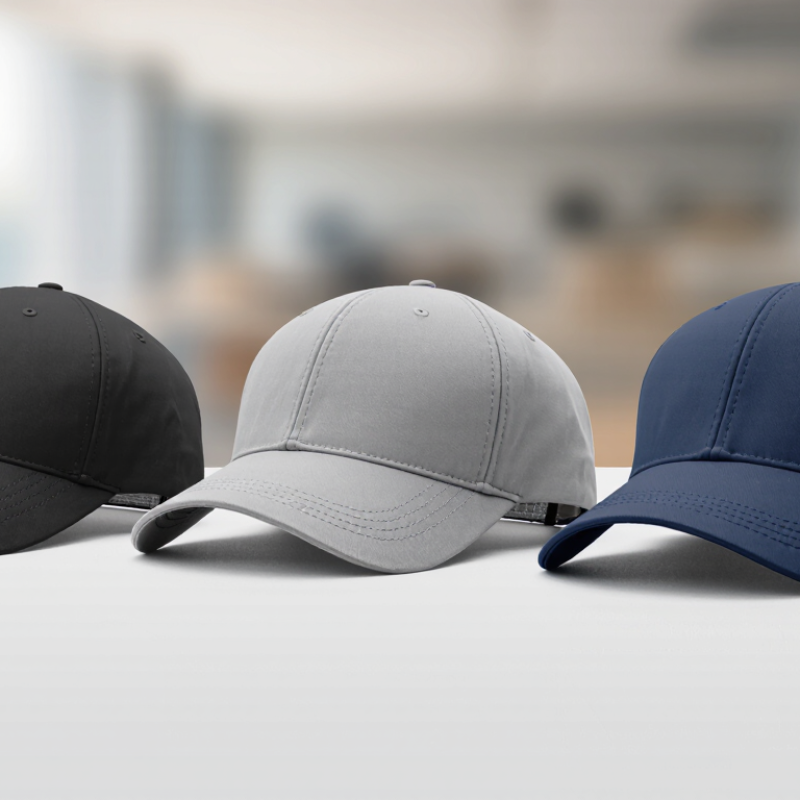
Define Your Brand’s Needs and Target Wearers
Before choosing a fitted baseball cap, define what it needs to do for your brand and who will wear it. A cap for daily commuting may need a softer crown and breathable fabric, while one for outdoor events may benefit from a sturdier build. A fitted cap has no adjustable closure, so sizing accuracy matters. Record head circumference across your intended size range, then compare those measurements with a supplier’s sizing chart. Ask a sample group to try the caps on, including wearers with different hairstyles and preferences. Fit is personal. A size that feels secure to one person may press uncomfortably against another’s temples.
Consider how the cap will be worn, not just how it looks on a product page. Will wearers use it for several hours, in warm weather, or over thick hair? These details can guide choices in fabric weight, lining, crown height, and brim shape. Colors and embroidery should also suit the intended audience and remain clear at a glance. It is easy to focus too much on appearance; I would still check comfort after a full afternoon of wear. Note where the cap feels tight, slips, or traps heat. Those small observations can reveal problems that a quick fitting misses.
