How to Choose Dog Bone Lifting Anchors in 2026?
Choosing dog-bone lifting anchors in 2026 starts with the lift, not the catalogue photo. The anchor must suit the precast element’s weight, shape, concrete strength, and planned lifting points. Sling angles and the element’s centre of gravity also affect the forces on each anchor. A rating alone is not enough. Small details matter.
When comparing products, listings may use the phrase “Dog Done Lifting Anchors,” so check the manufacturer’s drawings and specifications carefully. Confirm the permitted load, required embedment, edge distances, compatible lifting clutch, and installation position. A few millimetres can affect fit, while a misplaced anchor can create uneven loading. This guide explains what to check before choosing, from product documentation to site handling. It also highlights questions to raise with the supplier or a qualified lifting professional when the design is unclear. Concrete conditions and lifting methods vary, so no single anchor suits every job. Even a familiar setup deserves a fresh check. That can feel cautious, perhaps overly so, but assumptions are easy to miss when work is moving quickly. Use verified product data and project-specific engineering guidance to make a safe, practical selection.
Define Dog-Bone Anchor Types, Components, and Rated Working Load Limits
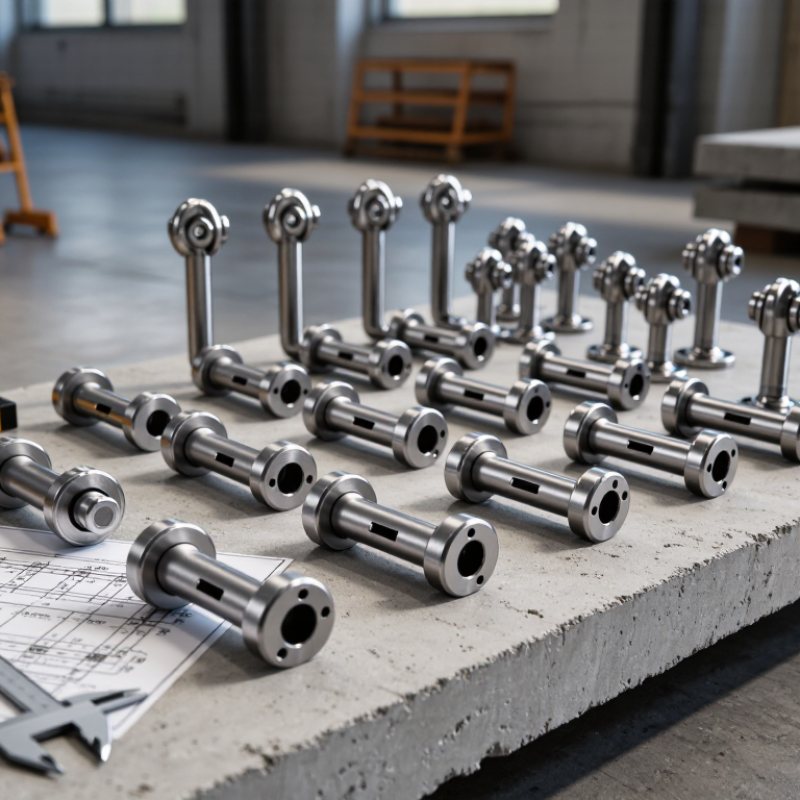
A dog-bone lifting anchor is a cast-in steel insert used to lift precast concrete units. Its enlarged head connects to a compatible lifting clutch, while its shank and anchorage end transfer force into the concrete. Designs vary: some have straight shanks for direct lifts, while others accommodate angled loading. Head shapes and anchorage details also differ. Names can mislead. Check the technical drawing, not appearance alone.
The main components are the lifting head, shank, and embedded anchorage; some systems also use a recess former to create space for the clutch. Confirm that the clutch matches the anchor’s head and size. A mismatch may prevent proper engagement. Also verify embedment depth, edge distance, concrete strength, and the direction of the planned lift. Small details matter.
The rated working load limit (WLL) is the permitted load under stated conditions, not the anchor’s breaking strength. It can depend on concrete strength, anchor position, sling angle, and load distribution across multiple anchors. A rating for vertical loading may not apply to an inclined pull. Compare the WLL with the full lifting setup and follow the anchor documentation and engineered lift plan. If a condition is unclear, pause and get it checked. Do not guess.
