How to Choose the Best Outdoor Home Elevators for Your Needs?
Choosing the right Outdoor Home Elevators can be challenging. These devices offer convenience and accessibility for multi-level homes. They enhance mobility for individuals with physical limitations.
When considering an outdoor elevator, think about your home's structure. Does it have enough space? What is the weight capacity? Outdoor elevators come in various styles. Each option has unique features to suit different needs. You might prefer a sleek design or prioritize functionality over aesthetics.
Reflect on your lifestyle and how often you will use the elevator. It may seem easy to overlook essential details. However, these factors are crucial for making a wise choice. An outdoor elevator should not only meet your needs but also blend seamlessly with your home.
Understanding Different Types of Outdoor Home Elevators
When exploring outdoor home elevators, it's crucial to understand the different types available. One popular option is the
pneumatic elevator. These elevators use air pressure to move between floors.
They are compact and can fit in tight spaces. However, they might not be ideal for all weather conditions. Keep in mind
that they require maintenance, which could become costly over time.
Another type is the cable-driven elevator. These elevators employ steel cables
and pulleys for operation. They tend to be more robust and capable of handling heavier weights. But installation can be
complex and costly. Homeowners should factor in both space
and budget when considering this choice.
Lastly, there are platform lifts. These are often used for accessibility purposes.
They are simple to operate and can be installed on outdoor decks or patios. However, they come with weight limits and
may not offer the same speed and efficiency as other types. Weighing these options can be daunting, but understanding
their characteristics might help you make a wiser decision.
Assessing Your Space and Usage Requirements for Elevators
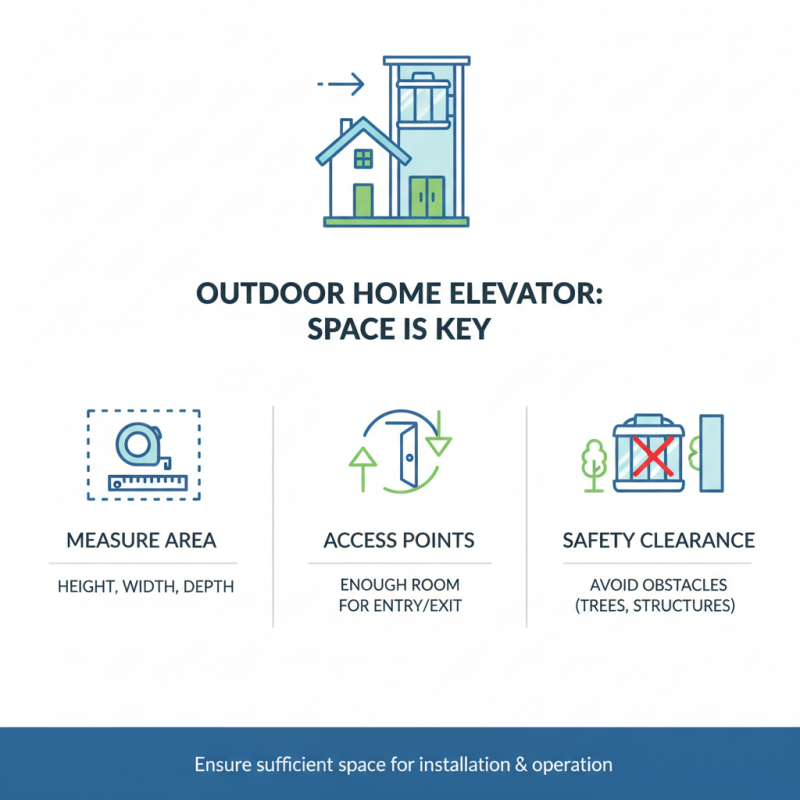
When selecting an outdoor home elevator, the space you have is crucial. Measure the area where the elevator will be installed. Consider height, width, and depth. You need to ensure there’s sufficient room for both the elevator and its access points. Think about safety as well. Make sure there’s enough clearance to avoid obstacles like trees or other structures.
Assess your usage requirements. How often will you use the elevator? If it’s for occasional use, a smaller model might suffice. If it’s for daily transport of heavy items, like groceries, you might need a larger, more robust option. Consider the weight capacity; it must support your needs comfortably.
**Tip:** Plan for potential changes in your lifestyle. If you anticipate more usage in the future, investing in a more advanced model can save you trouble later.
Isolation from harsh weather conditions matters. Check for materials that stand up to elements. Think about the kind of maintenance required over time. Finding the right balance between style and functionality is essential. This requires reflection and careful thought. Design isn’t just about looks; it must meet practical needs too.
Evaluating Safety Features and Compliance Standards
When selecting an outdoor home elevator, safety features are paramount. Start by evaluating the braking systems. Reliable brakes prevent accidents and ensure smooth stops. Consider if the elevator has redundant safety mechanisms. These added layers of protection can be crucial.
Another vital aspect is compliance with safety standards. Many buildings have regulations that dictate how elevators must function outdoors. Research local codes. Lack of compliance can lead to complications. Inspect the elevator's design for slip-resistant surfaces. This detail can make a difference during wet conditions.
User-friendly controls are important as well. Large buttons and clear indicators enhance accessibility. Reflect on how features like remote operation might benefit elderly family members. While many options exist, the best choice will cater to specific needs and environments. Don't overlook the significance of routine maintenance for ongoing safety. Prioritize regular checks to ensure every component functions correctly.
Considering Aesthetic and Design Compatibility
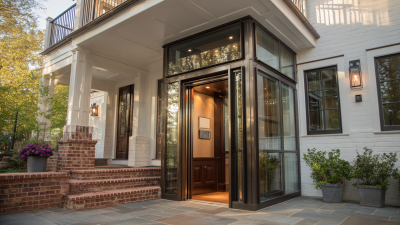
When choosing outdoor home elevators, aesthetics and design compatibility are crucial. An elevator's appearance should seamlessly blend with your home’s architecture. Consider materials that match your home’s exterior. For example, if your house features wood, opt for wooden accents on the elevator. This creates a cohesive look.
Tips: Review your neighborhood’s style. Look for design elements that are common. This can guide your choices. A modern glass elevator might feel out of place in a rustic area. Pay attention to colors as well. Soft, earthy tones can enhance visual harmony.
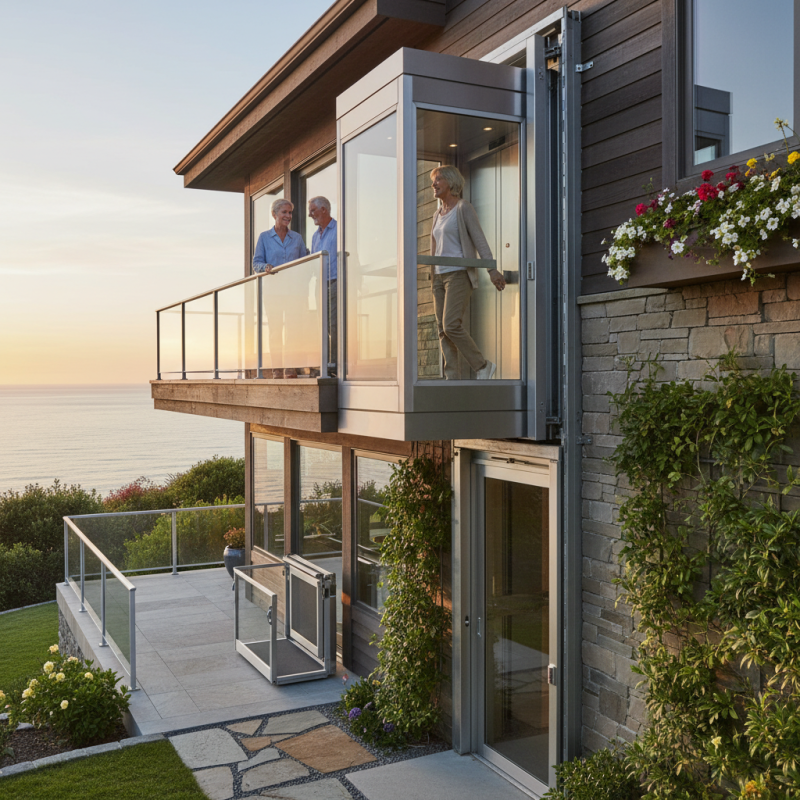
Don’t forget about landscaping. If your elevator disrupts your garden's flow, it could look jarring. Make sure the approach to the elevator feels natural. Stone pathways or plantings can help integrate it into the surroundings. Always step back and visualize the entire scene. Sometimes, what seems perfect in theory challenges us in reality.
Comparing Installation and Maintenance Costs
When selecting an outdoor home elevator, installation and maintenance costs can vary greatly. Installation is often one of the largest expenses. Factors influencing costs include the type of elevator, the complexity of the installation site, and local labor rates. Some homeowners spend a significant amount upfront, only to realize later that they underestimated additional costs. It's crucial to get multiple quotes and to ask questions.
Maintenance is a recurring cost that can add up over time. Regular checks are necessary to ensure safe and efficient operation. Missing maintenance appointments can lead to more expensive repairs down the line. Some elevators come with warranties, which may cover certain maintenance tasks. However, relying solely on warranties may not be wise. Homeowners might face hidden costs. Unexpected emergencies can arise, and budgeting for these is essential.
Choosing the right outdoor elevator demands careful consideration of these aspects. The initial investment can be tempting, but understanding long-term costs is vital. Some may find themselves reassessing their choices after the first year of ownership. Exploring all financial implications helps in making an informed decision.
How to Choose the Best Outdoor Home Elevators for Your Needs? - Comparing Installation and Maintenance Costs
| Feature |
Cost Range (Installation) |
Maintenance Cost (Annual) |
Weight Capacity |
Travel Distance |
| Hydraulic Elevator |
$20,000 - $40,000 |
$500 - $1,000 |
1,000 lbs |
Up to 6 ft |
| Screw Drive Elevator |
$15,000 - $30,000 |
$300 - $800 |
950 lbs |
Up to 6 ft |
| Cable-Driven Elevator |
$25,000 - $50,000 |
$400 - $900 |
1,200 lbs |
Up to 10 ft |
| Pneumatic Vacuum Elevator |
$30,000 - $60,000 |
$600 - $1,200 |
450 lbs |
Up to 5 ft |
| Residential Elevators |
$12,000 - $25,000 |
$250 - $700 |
500 lbs |
Up to 14 ft |