
Why Choose an Online Checkweigher for Your Business?
Why choose a Checkweigher Online system for your business? Because accurate weight data can help teams spot underfilled or overfilled products before they leave the line. A connected checkweigher can display readings as items pass over its belt, flagging unusual results for staff to review. The benefit is practical: operators can respond sooner, reduce avoidable product waste, and keep production records in one place. Small changes matter.
An online checkweigher may also connect with production software, depending on the model and setup. This can make trends easier to track across shifts, lines, or product batches. Quality-management pioneer W. Edwards Deming is widely associated with the line, “Without data, you’re just another person with an opinion.” His work was not about online checkweighers specifically, but the principle fits: useful measurements support better decisions. Still, data alone cannot fix poor calibration or rushed procedures.
Choosing a system requires more than comparing display screens. Consider product size, line speed, cleaning needs, available floor space, and how operators will verify performance. Picture a pack moving across the belt during a busy shift: clear alerts and dependable readings can help staff act without slowing the line. But no system is perfect. Integration can take planning, and teams need training to interpret results correctly. A careful assessment helps determine whether a Checkweigher Online solution fits your process, rather than simply adding another device to the production floor.
What an Online Checkweigher Is and How It Works
Why Choose an Online Checkweigher for Your Business?
What an Online Checkweigher Is and How It Works
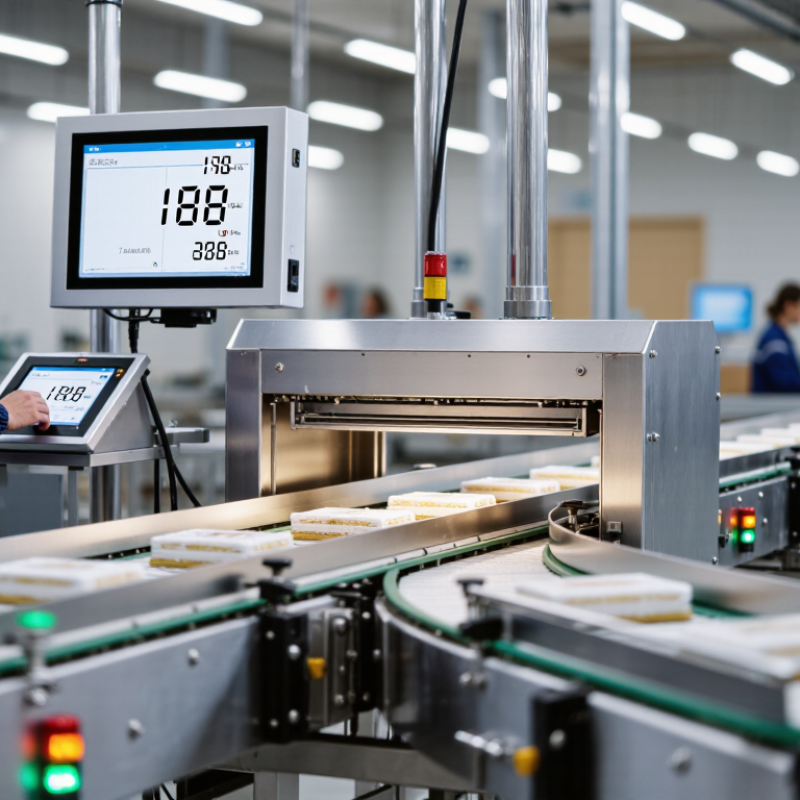
An online checkweigher weighs individual packages while they move along a production conveyor. Unlike a static scale, it checks products without stopping the line. A package passes over a short weighing platform, where a load cell detects its weight. The system’s controller compares that reading with a preset target and permitted limits. Packages outside those limits can trigger an alarm or be diverted by a reject device.
The process sounds simple. It isn’t always. Conveyor vibration, uneven spacing, product movement, and line speed can affect readings. Operators typically verify performance with test weights and routine checks, using procedures suited to the product and operating conditions. OIML R 51-1:2016 describes requirements for automatic catchweighing instruments, including systems that weigh individual loads in motion. That standard helps explain why a checkweigher is more than a scale on a conveyor.
Weight control also matters when products are packaged at scale. UNEP’s Food Waste Index Report 2024 estimates that 1.05 billion tonnes of food were wasted in 2022, across households, food service, and retail. A checkweigher cannot solve food waste by itself, and that figure does not measure checkweigher performance. Still, accurate readings can help manufacturers spot process drift, limit unnecessary overfill, and identify underweight packs before they leave the line. The results depend on careful setup and consistent monitoring.
