
How to Choose a Polyester Fiber Pillow Filling Machine
Choosing a Polyester Fiber Pillow Filling Machine is not just a matter of comparing prices or production speeds. The right equipment should match your fiber type, pillow sizes, output targets, and available floor space. A machine that performs well with soft, loose fiber may need different settings for recycled or denser material. Small details matter.
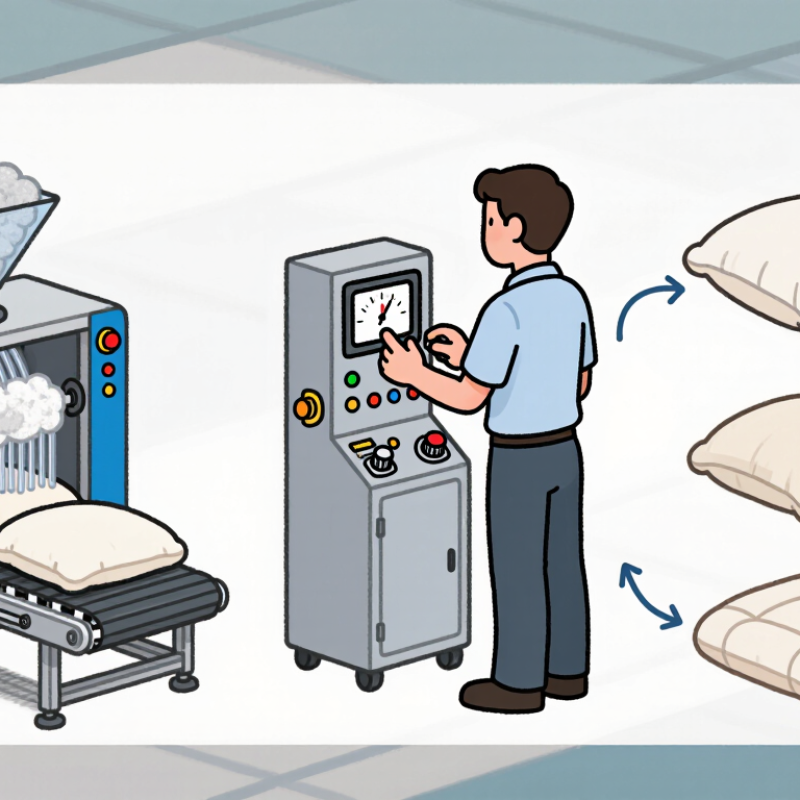
Start with the filling process. Check whether the machine opens and feeds fiber evenly, and ask how operators adjust filling weight for different pillow sizes. Uneven distribution can leave corners flat or create lumpy spots, even when the finished pillow looks full at first glance. Ask for a live demonstration using your own fiber, if possible. A short test can reveal more than a polished brochure.
Capacity matters, but advertised output figures may depend on material, operator skill, and product specifications. That is not enough. Compare practical production needs with the machine’s feeding system, controls, changeover time, and cleaning requirements. Review the electrical requirements and confirm that spare parts and technical support are available in your region. Request written specifications, warranty terms, and references from buyers running similar products. These checks help you assess claims without relying on sales language alone.
A careful choice also considers daily work. Can one operator load the fiber and monitor filling safely? Are routine adjustments clear, or do they require a technician? There may be trade-offs between higher output and flexibility for small batches. This guide explains the key features, questions, and checks that can help you select a Polyester Fiber Pillow Filling Machine suited to your actual production conditions.
Define Your Pillow Filling Requirements
How to Choose a Polyester Fiber Pillow Filling Machine
Define Your Pillow Filling Requirements
Start with the pillow, not the machine’s advertised speed. Record each product’s dimensions, target fill weight, fiber type, and expected hourly output. A 50 × 70 cm pillow may need a different fill setting from a compact cushion. Decide whether you will process virgin or recycled polyester, and whether the fiber is hollow, solid, or siliconized. These details affect feeding, opening, and weight control.
Scale matters. Textile Exchange’s Materials Market Report 2024 estimates that global fiber production reached 124 million tonnes in 2023, with polyester accounting for 57%. That figure shows polyester’s broad industrial use, but it does not tell you which machine fits your line. Test your actual fiber and pillow shell before deciding. Check fill-weight variation, fiber distribution, changeover time, and whether operators can clear blockages safely. A faster line is not always better; poorly opened fiber can leave hard spots. It is an easy detail to miss.
