
How to Choose a Pipe End Chamfering Machine?
Pipe connections depend on accurate, repeatable end preparation. A square cut with a clean, consistent bevel helps reduce fit-up problems before welding. Yet choosing a Pipe end Chamfering Machine is not simply a matter of selecting the fastest model. Pipe diameter, wall thickness, material, bevel geometry, production volume, and operator skill all affect the right choice.
Industry data provides useful context, but it needs careful interpretation. Grand View Research’s Steel Pipes Market report valued the global market at USD 96.1 billion in 2022 and forecast continued growth through 2030. The World Steel Association reported 1,888.2 million tonnes of crude steel production in 2023 in World Steel in Figures 2024. These figures indicate the scale of steel-related activity; they do not directly measure demand for chamfering machines. That distinction matters.
Look closely at the actual workpiece. A machine that handles thin stainless-steel tubing may not suit thick-wall carbon-steel pipe. Check its clamping range, cutting method, bevel-angle adjustment, tool-change time, and chip removal. For welding preparation, compare the required end profile with applicable engineering specifications, such as ASME B16.25, where relevant. Ask suppliers for a demonstration using your own pipe samples. Measure the finished bevel, inspect for burrs, and record cycle time. Small details count. Catalog specifications can look reassuring, but real production conditions are less tidy. A careful trial is often the best evidence.
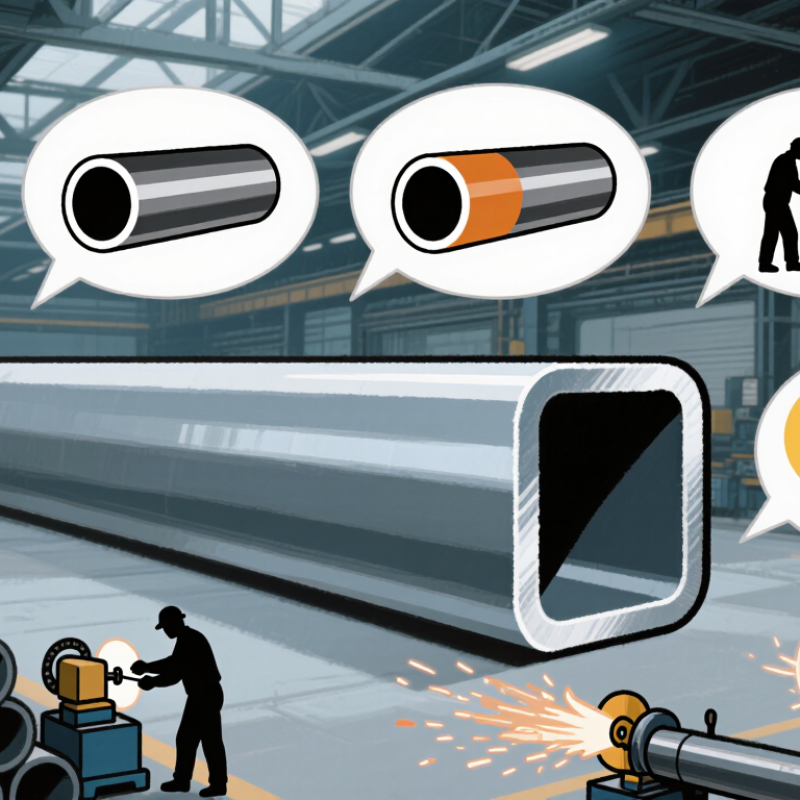
Identify the Pipe Materials, Diameters, and Production Requirements
Choosing a pipe end chamfering machine starts with the pipe material. Carbon steel, stainless steel, aluminum, and plastic can respond differently to cutting forces and heat. Match the cutter and tooling to the material, wall thickness, and required edge finish. Stainless steel, for example, may need controlled cutting to limit heat and avoid a rough edge. Small details matter. Note any coating, scale, or burrs that could affect clamping or tool life.
Measure the actual outside diameter, not just the nominal pipe size. Also check wall thickness, ovality, and the range of sizes handled in a typical shift. A machine’s advertised diameter range may not reflect how securely it holds thin-wall or slightly irregular pipes. Test representative pieces when possible. A snug clamp is important, but excessive pressure can deform softer tubing.
Production needs shape the final choice. Estimate daily volume, changeover frequency, chamfer angle, and whether one or both ends need processing. Compare the full cycle, including loading and adjustment, rather than the cutting time alone. For mixed-size batches, quick, repeatable settings may matter more than maximum speed. One assumption deserves a second look: the fastest setup is not always the most consistent. Keep sample parts and inspect their edges before committing to a process.
