
How to Choose a Night Vision Device Manufacturer
Choosing a Night Vision Device Manufacturer involves more than comparing product photos or advertised specifications. The right partner should explain how its devices perform in real conditions, from dim indoor spaces to open areas with uneven lighting. Ask about image clarity, field of view, focusing range, battery life, and performance when ambient light changes. These details shape practical use.
Look for clear product documentation and consistent quality-control procedures. A manufacturer should be able to describe its inspection process, component sourcing, and recommended operating conditions without relying on vague promises. Ask whether devices undergo environmental testing for factors such as temperature, vibration, or moisture, and request relevant reports where available. Numbers need context. A specification sheet is only a starting point.
Build quality also matters. Examine housing materials, controls, lens protection, and how easily the device can be maintained. If possible, request a demonstration or sample unit and check whether the menu, focus ring, and battery compartment feel intuitive. Small frustrations become noticeable after repeated use. They are easy to overlook.
After-sales support deserves equal attention. Confirm warranty terms, repair options, software or firmware update practices, and expected response times. Ask how replacement parts are handled and whether technical guidance is available for setup and routine care. A dependable Night Vision Device Manufacturer will give specific, verifiable answers and acknowledge limitations. No device suits every setting. Compare several suppliers against your actual needs, then review the evidence—not just the sales language—before making a decision.
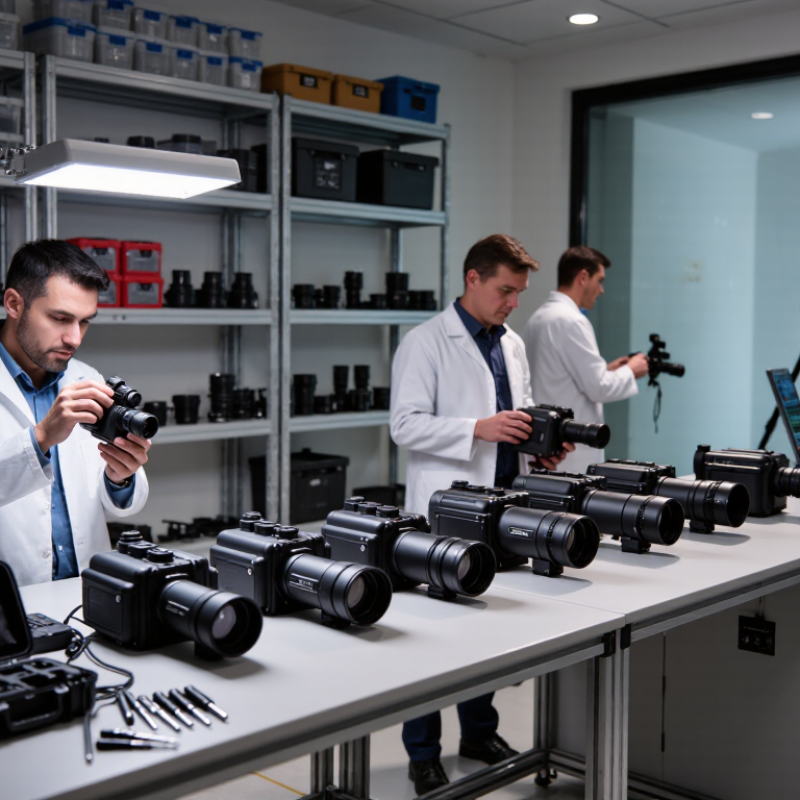
Define Operational Requirements for a Night Vision Device
How to Choose a Night Vision Device Manufacturer
Define Operational Requirements for a Night Vision Device
Start with the task, not the specification sheet. Will the operator detect movement, recognize a person, or read a marker? Set the expected distance, viewing time, and movement speed. A device that reveals a fence at 40 meters may not show useful detail on a moving subject. Small differences matter.
Light conditions need equal attention. CIE technical report 191:2010 places mesopic vision roughly between 0.005 and 5 cd/m², a thousand-fold range. This describes human vision, not device performance, but it shows why “low light” is too vague. Record whether use occurs under starlight, moonlight, or mixed artificial lighting. Note rain, fog, and dark clothing, too.
Then convert the task into testable requirements: useful recognition distance, field of view, image clarity, startup time, battery runtime, and acceptable weight. Test a representative unit outdoors, with the same gloves and headgear operators will use. Measure runtime in cold conditions if those conditions are expected; advertised figures may not reflect them. I would not let resolution dominate the decision. A sharper image can still be tiring to scan. There is no perfect spec sheet. My first draft of requirements is usually too optimistic, so leave room for operator feedback before finalizing it.
