
How to Choose a Fire Pump Supplier in 2026?
Choosing a Fire Pump Supplier in 2026 is not just a price comparison. A pump may look right on paper, yet fail to suit a building’s water supply, pressure needs, or operating conditions. The right decision starts with the system, not the sales brochure.
Ask suppliers for clear performance curves, equipment specifications, and test records for the proposed model. Check that the pump, driver, controller, and accessories are compatible as a complete package. Confirm which certification or approval requirements apply to your project and location; do not assume one label covers every installation. A useful supplier can explain the evidence and answer technical questions without rushing you.
Look beyond delivery day. Ask who will support commissioning, routine testing, troubleshooting, and replacement parts. A technician’s response time matters when a pump room is warm, noisy, and difficult to access. So does the availability of parts that match the installed model. Compare warranty terms and service commitments in writing, then speak with references who have operated similar equipment.
There is no perfect supplier. Some offer strong engineering support but longer lead times; others deliver quickly but provide limited follow-up. That trade-off deserves a closer look. Requesting a site review and a written scope can reveal gaps before purchase, though it cannot remove every risk. This guide explains practical ways to assess a Fire Pump Supplier, verify claims, and choose a partner whose capabilities fit your project and long-term maintenance needs.
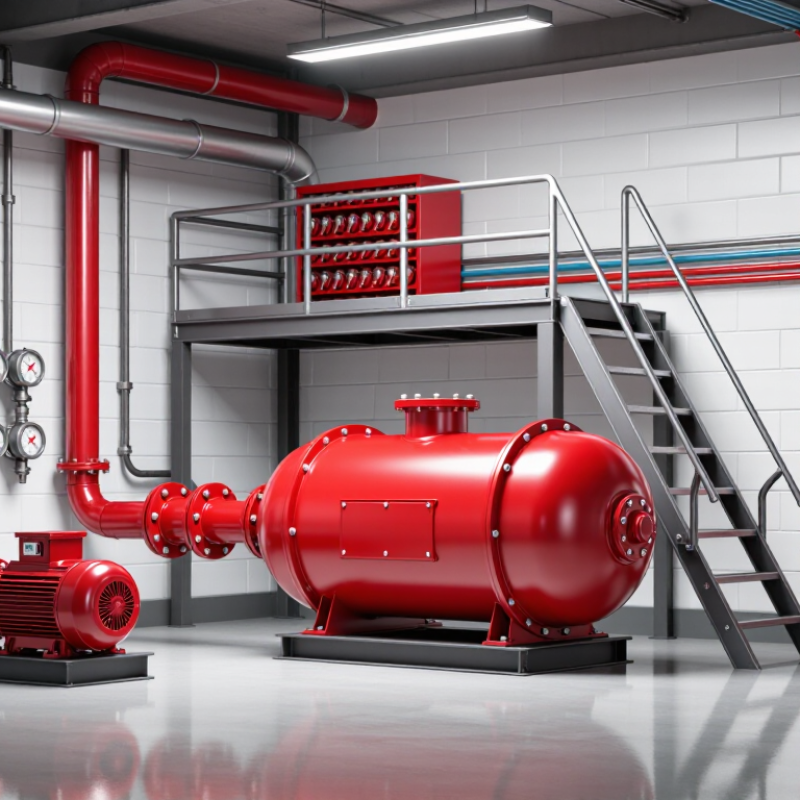
Define Fire Protection Needs and Applicable Standards
Before comparing fire pump suppliers, define the hazard the system must protect. Record the building’s occupancy, fire area, sprinkler demand, hose allowance, available water supply, and required pressure at the most demanding outlet. Include elevation changes and pipe losses. Small details matter. A pump that meets a catalog rating may still fall short at the actual duty point.
Check the standards adopted by the local authority having jurisdiction. NFPA 20 covers stationary fire pump installation; NFPA 22 addresses fire protection water tanks, while NFPA 25 covers inspection, testing, and maintenance. Confirm the applicable editions and any local amendments before requesting proposals.
NFPA’s 2021 U.S. Experience with Sprinklers report found sprinklers operated in 92% of reported fires large enough to activate them, and were effective in 96% of cases when they operated. That is useful context, not a pump-sizing formula.
Ask suppliers to show calculations against your project’s flow and pressure requirements, plus test arrangements and control-panel details. I would still revisit assumptions about water supply early; they are easy to overlook and costly to correct.
