
How to Choose a Delta Frequency Drive for Global Sourcing?
Choosing a Delta Frequency Drive for global sourcing requires more than comparing prices and output power. The right model must match the motor, supply voltage, operating environment, and destination market requirements. A 22 kW motor on a 400 V three-phase system may need a different drive than a similar motor used with 230 V power. Small details matter.
Look beyond the product page. Review the datasheet, overload rating, control method, enclosure rating, communication options, and braking requirements. Ask suppliers for serial-number traceability, factory test records, warranty terms, and technical support response times. A drive intended for a dusty workshop may require stronger protection than one installed inside a clean control cabinet. Check ambient temperature, altitude, ventilation, and expected duty cycles before approving a quotation.
Supplier experience also deserves careful attention. Reliable vendors can explain compatibility, provide clear documentation, and identify limitations without hiding them. They should support regional compliance reviews and offer replacement planning for long supply chains. Still, no checklist removes every risk. I have seen sourcing teams select a lower-cost drive, then discover that software tools or spare parts were unavailable locally. That mistake can delay commissioning for weeks. A practical evaluation should compare total ownership cost, not only the invoice price. It should also include sample testing, application verification, shipping conditions, and after-sales support. The best choice is rarely the cheapest one. It is the Delta Frequency Drive that performs predictably, remains supportable, and fits the real conditions of global operation.
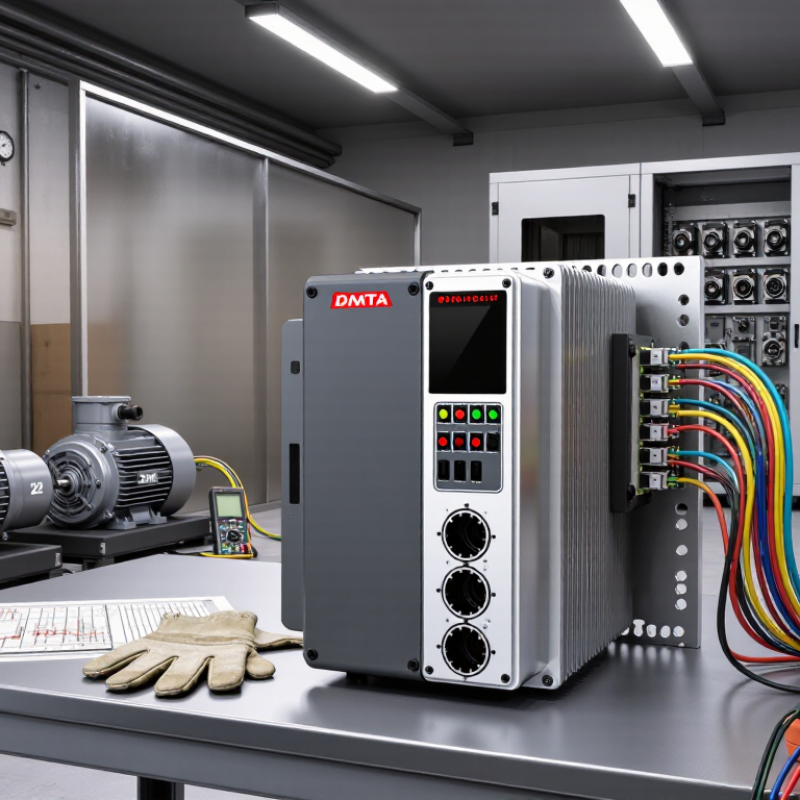
Define Your Motor Control Goals and Operating Conditions
Choosing a frequency drive starts with the motor, not the catalog. Define the control goal clearly. Do you need steady conveyor speed, soft starting, accurate torque, or frequent reversing? A pump may prioritize energy control, while a hoist needs dependable torque at low speed. These are different duties.
Record the motor’s rated voltage, current, power, base frequency, and speed. Then measure the real load, including startup resistance and peak demand. A drive that matches horsepower but ignores current can overheat. I have seen clean equipment panels fail because the selected unit could not handle repeated acceleration. That detail is easy to miss.
Operating conditions also shape the choice. Check ambient temperature, altitude, dust, moisture, enclosure space, and cooling airflow. A drive installed beside a hot furnace needs more thermal margin than one in a cool cabinet. Confirm input voltage and frequency for the destination market. Review local electrical requirements, EMC limits, documentation, and service support before placing a global order.
Control wiring matters too. Decide whether the system needs digital inputs, analog speed reference, communication, braking, or a safety stop circuit. Keep spare capacity for future changes, but avoid paying for features nobody will use. A tidy specification is useful. It is not perfect. Test the proposed drive with the actual motor and load whenever possible, because laboratory assumptions can differ from a dusty factory floor.
