
How to Choose a Custom Sewer Jetter in 2026?
Choosing a Custom Sewer Jetter in 2026 is not simply a matter of selecting the highest pressure. The right setup depends on the pipe sizes, blockage types, access points, and daily workload your team actually encounters. A unit designed for routine service calls may not suit long municipal runs or demanding commercial work. Start with the job, not the sales brochure.
Compare water flow and pressure together, then check whether the pump, engine, and hose match your expected use. Consider hose length, reel capacity, nozzle options, water supply, and vehicle space. A longer hose can reach farther, but it may also affect handling and storage. Small details matter. Ask manufacturers for duty-cycle guidance, maintenance requirements, parts availability, and clear warranty terms. If specifications are unclear, request written confirmation before ordering.
A spec sheet can look convincing. Real operating conditions are less tidy. A machine may need to clear grease in one location and sediment in another, so nozzle compatibility and practical adjustability deserve close attention. I would also check service access and operator training; those details are easy to overlook when comparing prices. No configuration is perfect for every crew. The first choice may need refinement after operators test it on representative jobs. This guide explains how to assess requirements, compare custom options, and ask informed questions before investing in a Custom Sewer Jetter.
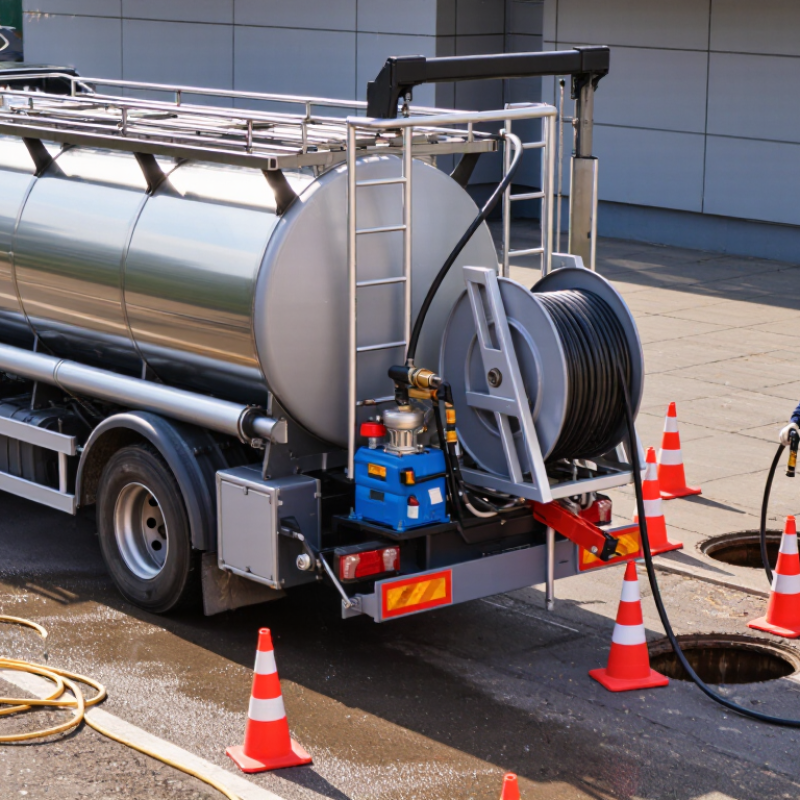
Define the Sewer Jetter’s Intended Use and Operating Conditions
Before choosing a custom sewer jetter, define the jobs it must handle. Will it clear grease in restaurant laterals, sediment in storm drains, or recurring blockages in long municipal lines? Pipe diameter, length, material, and access points all affect the setup. A narrow, aging pipe may need a different nozzle and working pressure than a large concrete line. That detail matters. Record the usual blockage type and the toughest one you expect, not just the average call.
Then consider the working conditions. Measure available water supply, note whether the site has reliable drainage, and estimate how often the machine will run each day. Flow and pressure work together; choosing by pressure alone can leave a jetter underpowered at the nozzle. It’s an easy mistake. Check hose length, reel capacity, vehicle space, and whether operators must move equipment through tight alleys or indoor access doors. Include cold-weather use and time for setup, flushing, and maintenance. Those minutes add up.
Ask operators what slows them down now. Their answers may be less tidy than a specification sheet, but they often reveal the real need. Confirm the proposed pump, hose, and nozzle range against the pipe conditions and the equipment maker’s operating guidance. Leave some capacity for demanding jobs, without sizing the system around rare extremes. A custom build should suit the work you can describe clearly, while recognizing that field conditions can still surprise you.
