
How to Choose the Best Sewer Line Cleaning Machine in 2026
Choosing a Sewer Line Cleaning Machine in 2026 starts with the work it must handle, not the largest motor on a sales sheet. The U.S. Environmental Protection Agency’s 2022 Clean Watersheds Needs Survey, published in 2024, estimated $630.1 billion in wastewater infrastructure needs over 20 years. The estimate includes collection and conveyance systems, but it does not measure demand for cleaning equipment. It does show the scale of infrastructure requiring inspection and maintenance. Small details matter.
A machine that clears a 4-inch branch line may be a poor fit for long runs, heavy roots, or larger mains. Compare cable machines, high-pressure water jetters, and combination units against pipe diameter, access, blockage type, and typical distance. Check cable or hose capacity, feed controls, pressure ratings, and available service support. For example, a tight basement cleanout calls for different access and handling than a roadside manhole. Ask operators how often they move the unit, where they store it, and what protective equipment and training the job requires. These practical details can change the best choice. Not every blockage yields to the same method. Manufacturer specifications help, but they do not replace experience with local pipe conditions. The right machine is the one your crew can use effectively, maintain reliably, and match to the job. It is worth admitting that no single model is ideal for every line.
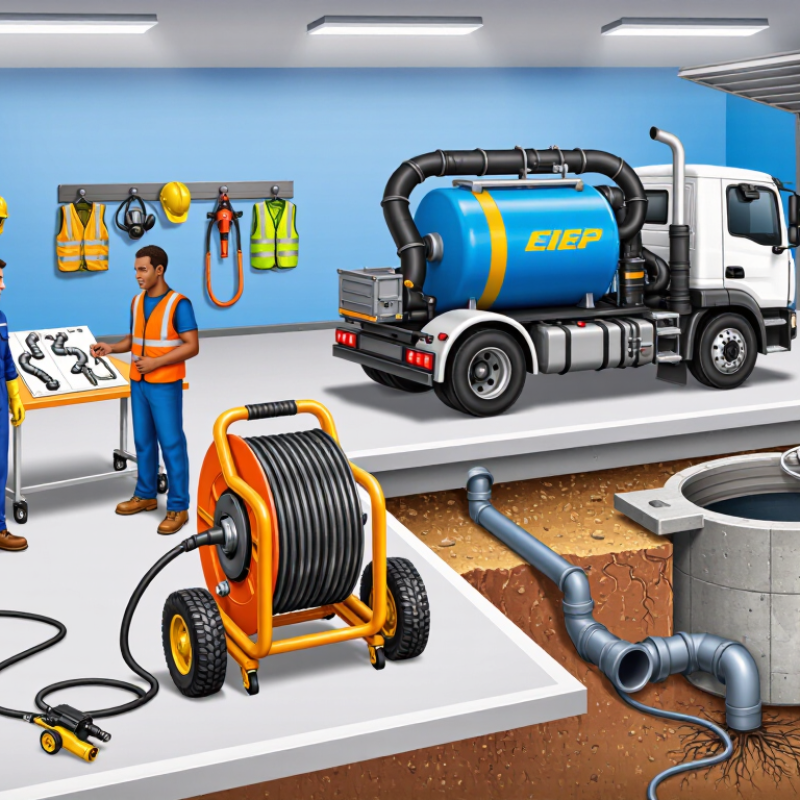
Define the Sewer Line Cleaning Tasks and Pipe Conditions
Before comparing machines, define what the sewer line must handle. A short kitchen branch with soft grease differs from a long building sewer packed with roots or mineral scale. Record the pipe’s length, diameter, material, access points, and bends. Measure where possible. Guesswork can leave a cable too short or send excessive force into a weakened pipe. Small details matter.
Describe the blockage and how often it returns. Slow drainage may suggest buildup, but symptoms alone do not identify the cause. A camera inspection can reveal roots, offsets, cracks, standing water, or a collapsed section. If inspection is unavailable, proceed cautiously. A cleaning machine may clear debris, but it cannot repair structural damage. That distinction is easy to overlook.
Match the machine to the task and pipe condition. Cables may suit localized clogs and tighter indoor access; water jetting may help remove broader deposits when the pipe can safely withstand it. Check required reach, cable or hose size, power, and operator control. Older clay or brittle pipes deserve extra care. I would not choose solely by motor strength; stronger is not always better. A clear job description makes a safer, more useful comparison.
