
How to Choose the Best Brusher Cutter in 2026
Choosing the right Brusher Cutter in 2026 is less about chasing the biggest engine and more about matching the machine to your land. A narrow garden edge, a sloping orchard, and a patch of woody scrub demand different cutting heads, power, and handling. Weight matters, too. Hold a cutter for ten minutes, and a poorly balanced harness can turn a small job into an uncomfortable one.
Equipment specialist Daniel Mercer offers a practical rule: “Choose the cutter for the toughest work you actually do, not the toughest work you might imagine.” Treat that as a starting point, not a complete answer. Check the recommended cutting attachments, shaft design, vibration control, service access, and availability of replacement parts. A machine can look capable in a showroom yet feel awkward beside a fence or under low branches. Details show up outdoors.
This guide’s title promises help choosing the best Brusher Cutter in 2026, so the sections ahead focus on real buying decisions: power source, cutting width, safety features, comfort, maintenance, and value. Compare specifications, but test the grip and balance whenever possible. Ask how the cutter starts after storage, and where routine servicing happens. One thing is easy to overlook: the lightest model is not always the easiest to control. And no specification sheet can replace a careful trial. The choice may still involve compromise. That is worth admitting.
Understanding What a Brush Cutter Is and How It Works
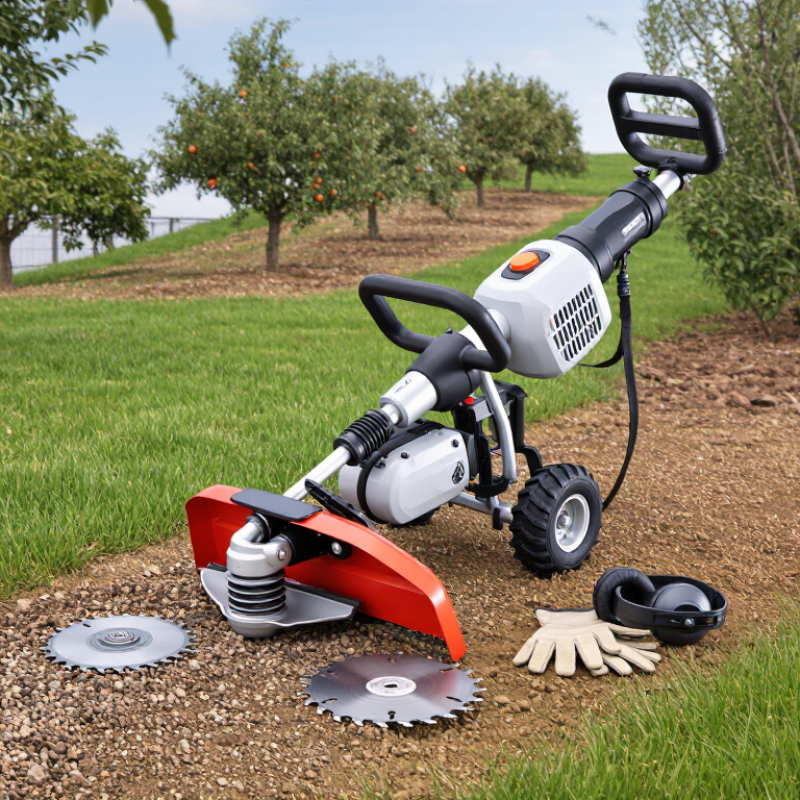
A brush cutter is a powered garden tool for cutting dense weeds, tall grass, and light woody growth. Its motor turns a drive shaft, which spins a cutting head or blade. Nylon line handles softer vegetation; a metal blade can tackle tougher stems when the tool is designed for it. Simple idea. But the cutting attachment, guard, and shaft must match the task and each other.
For choosing a cutter in 2026, look beyond engine size. Weight, balance, handle style, and vibration affect control during long passes along a fence or ditch. I would not use power as a shortcut; a strong machine can still feel awkward. Noise matters, too. NIOSH’s 1998 occupational noise criteria recommend exposure at or below 85 dBA over an eight-hour workday, using a 3 dB exchange rate. That is a workplace exposure guideline, not a brush-cutter noise rating. Compare each tool’s published sound data, and wear hearing protection when needed. Check the manual for compatible attachments and operating limits. The best fit depends on the vegetation, terrain, and time spent cutting—not just the motor.
