How to Choose the Right Marine Inverter for Your Boat?
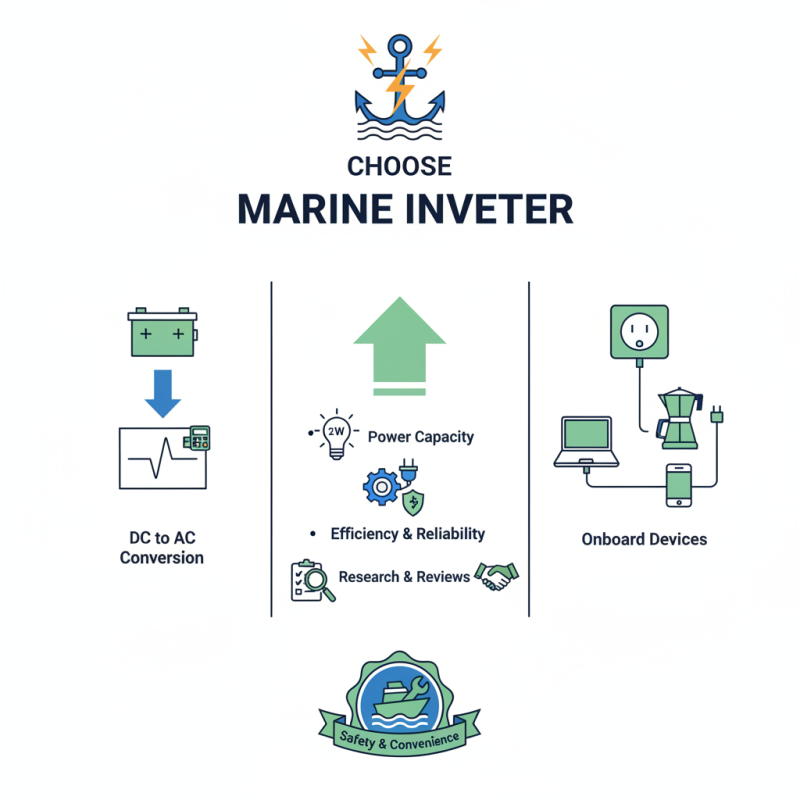
Choosing the right marine inverter for your boat is crucial. Marine Inverters convert DC power from batteries into AC power for your devices. This process is essential for charging electronics and running appliances on board. However, not all marine inverters are created equal.
Several factors determine the best fit for your needs. Power capacity is one. You must calculate the total wattage of devices you intend to use. Additionally, consider the inverter's efficiency and reliability in marine environments. Manufacturers often claim high efficiency, but real-world performance varies.
Faulty inverters can lead to device damage or, worse, safety hazards. Research reputable brands and consult user reviews. Experience plays a significant role in understanding which marine inverters stand the test of time. Remember, investing time in making this choice pays off in safety and convenience on your boating adventures.
Understanding the Basics of Marine Inverters and Their Functions
When selecting a marine inverter, understanding its basic functions is crucial. A marine inverter converts DC power from your boat's battery into AC power. It enables you to run essential electronic devices, such as navigation systems and appliances, while at sea. According to the Marine Industry Association, about 70% of boaters rely on inverters to power their electronics.
Keep in mind the power requirements of your devices. A small inverter may suffice for charging phones or running lights, while larger systems are necessary for refrigerators and microwaves. The typical marine inverter can range from 1000 to 5000 watts. Make sure to calculate total wattage needed.
Tips: Always allow extra wattage for startup surges. Many devices demand more power initially. If you're uncertain, consult a marine electrician for advice. Regular maintenance of your inverter is essential, as saltwater can affect performance. Monitor connections and battery health to avoid surprises while on the water.
Marine Inverter Power Output by Type
Key Factors to Consider When Choosing a Marine Inverter
Choosing a marine inverter for your boat involves several key factors. It’s not just about the power output. Consider the type of energy you need. Some boats require pure sine wave inverters for sensitive electronics. Others may function well with modified sine wave options. Understanding your boat's specific electrical needs is crucial.
You should also think about the inverter's voltage compatibility. Most marine systems use 12V or 24V systems. Make sure your inverter matches this. Installation space is another concern. Some inverters can be bulky. Look for a model that fits comfortably within your boat's layout.
Safety features matter, too. Overload protection and temperature regulation can prevent damage. Check the inverter's efficiency rating. A higher efficiency means less wasted power. Always plan for your future energy needs. What if you upgrade your electronics? Reflect on how much power you might need later. A little foresight now can save you headaches down the line.
How to Choose the Right Marine Inverter for Your Boat? - Key Factors to Consider When Choosing a Marine Inverter
| Factor | Description | Importance |
| Power Rating | Choose an inverter with a power rating that matches or exceeds your power needs. | High |
| Type of Current | Select between pure sine wave or modified sine wave inverters based on your equipment requirements. | High |
| Size and Weight | Consider space and weight limits on your boat for installation of the inverter. | Medium |
| Efficiency | Look for inverters that offer high efficiency ratings to minimize battery drain. | High |
| Durability | Ensure the inverter is rated for marine use to withstand harsh conditions. | High |
| Noise Level | Check the noise level specifications if you prefer a quieter operation. | Medium |
Types of Marine Inverters: Pros and Cons of Each
When it comes to marine inverters, understanding their types helps in making an informed choice. Three primary types are pure sine wave, modified sine wave, and square wave inverters. Each has its own set of advantages and disadvantages.
Pure sine wave inverters produce power akin to utility energy. According to a report by the Marine Electronics Association, these inverters are compatible with all boat electronics and appliances. However, they come with a higher price tag. Users need to weigh this cost against the benefits of efficient power usage.
Modified sine wave inverters balance cost and performance. They are less expensive and suitable for basic appliances. Yet, they may cause overheating and inefficiency in sensitive electronics, proving less reliable in high-demand situations. Lastly, square wave inverters are the least expensive. They may power only certain devices; however, their limitations can lead to malfunction in many marine applications.
Choosing the right inverter requires careful thought on your power needs. Balancing budget and functionality is crucial for long-term reliability. It’s important to consider the risks of inadequate power supply in critical situations. Each inverter type has its place, but assessing your unique needs is essential.
Sizing Your Inverter: Calculating Power Requirements for Your Boat
When sizing your marine inverter, you need to understand your power requirements clearly. Start by listing all the devices you plan to power. Common items include lights, refrigeration, and electronics. Calculate the wattage for each device. For instance, LED lights may draw 10 watts, while a small refrigerator can use around 100 watts. Keep track of peak and continuous wattage. This helps ensure that you don't overload your inverter.
Next, consider the duration of usage. If you plan to run a device for several hours, you need a larger capacity. A fridge running intermittently will require less power than when it runs constantly. Think about how often you'll use each device. This will guide your total wattage needs. Remember, it's always better to have some headroom in your inverter capacity.
In some cases, it’s easy to miscalculate. Maybe you underestimated the power of an essential device or overlooked a minor one. This can lead to frustrations at sea. Reflect on your needs and usage habits. Adjust your calculations as needed. Being precise now will save you headaches later.
Installation and Maintenance Tips for Marine Inverters
Installing a marine inverter is crucial for powering equipment on your boat. Start by selecting a suitable location. Ensure it’s dry, well-ventilated, and accessible. Mount the inverter securely to reduce vibration. Using marine-rated screws helps prevent corrosion. Also, keep it away from flammable materials. A proper installation significantly increases safety and efficiency.
Once installed, regular maintenance is essential for longevity. Inspect all connections for corrosion or wear. Clean the inverter periodically to prevent dust accumulation. It might be helpful to check the ventilation regularly; blocked airflow can cause overheating. Monitor the inverter’s performance during use. If you notice irregularities, consult a professional. Maintenance can seem tedious, but it pays off in reliability.