
Why Choose Profiled Aluminium for Your Project?
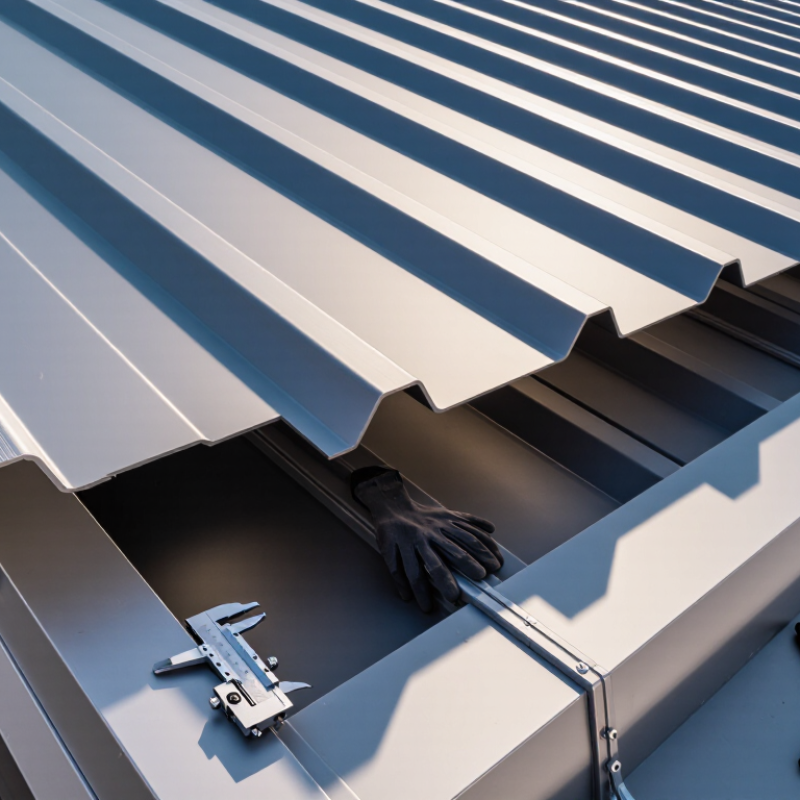
Choosing a material can affect a project long after installation. Profiled Aluminium offers a practical option when a design needs formed sections, manageable weight, and consistent dimensions. It is used in applications such as wall cladding, roofing, partitions, and equipment enclosures, though the right profile depends on the job.
Its shape can add stiffness without relying on a flat sheet alone. That may help span a space or create a defined edge. But results depend on alloy, thickness, profile geometry, finish, and how the section is supported. Small details matter. A section that looks suitable in a sample may behave differently across a long roof or exposed façade. Check load requirements, fixing points, drainage, and compatibility with nearby materials before specifying it. Manufacturer data and project-specific engineering review are more dependable than appearance alone.
There is no universally best profile. Still, aluminium’s low mass and formability can make handling and installation easier in some settings, while cost, finish durability, and thermal movement deserve careful consideration. This guide explains the main reasons project teams choose Profiled Aluminium, the properties to compare, and the questions to raise with suppliers. It also looks at limitations, because a balanced material choice starts with knowing what may not work. A clear specification can prevent avoidable changes once fabrication or installation has begun.
What Is Profiled Aluminium and How Is It Made?
Profiled aluminium is aluminium shaped into a consistent cross-section, such as a channel, angle, rail, or hollow frame. The geometry can combine thin walls with ribs or grooves, helping parts fit together without extra machining. Simple in principle. The chosen alloy, wall thickness, and profile shape affect strength, finish, and cost, so a drawing that looks efficient may still prove difficult to extrude.
Most profiles are made by extrusion. A heated aluminium billet is pressed through a steel die, which forms the required cross-section. The emerging length is cooled, straightened, cut, and, when required, heat-treated to reach specified properties. Surface treatments can improve appearance or corrosion resistance. The details matter: uneven wall thickness or sharp internal corners can complicate production. The Aluminium Extruders Council describes die design and process control as key factors in achieving consistent profiles; in practice, early design review can prevent costly revisions.
Material sourcing matters too. The International Aluminium Institute reports that recycling aluminium uses about 5% of the energy required for primary production. That figure does not make every recycled profile identical; alloy composition and quality still need checking. The Institute has also projected global aluminium demand to grow by nearly 40% by 2030, increasing attention to efficient material use. The less glamorous work is specifying tolerances and finish clearly. That is easy to overlook.
