
How to Choose an Intelligent Vehicle Inspection System 2026
Choosing an Intelligent Vehicle Inspection System in 2026 means looking beyond a polished dashboard. The right system should help technicians find faults accurately, record evidence clearly, and move vehicles through inspection without needless delays. A useful principle, paraphrasing automotive technology author James E. Duffy’s diagnostic teaching, is: “A scan result is a clue, not a diagnosis.” That distinction matters when a warning light appears, but the underlying fault is unclear.
Start with the vehicles you actually service. Check whether the system supports their makes, models, and diagnostic protocols. Then examine its cameras, sensors, lighting, and measurement tools. A camera that misses a cracked windshield in dim workshop light is not much help. Neither is software that produces alerts without showing the evidence behind them. Ask vendors to demonstrate the system on representative vehicles, not only on a prepared showroom model.
Look closely at integration, training, data handling, and ongoing support. Confirm that inspection records can connect with your existing workflow and remain easy to review. Ask how software updates are delivered and what happens when the network drops. Small details count. So does technician feedback. A system may perform well in a presentation yet frustrate staff during a busy shift. One limitation is worth admitting: no automated inspection replaces sound judgment. Use this guide to compare capabilities, verify claims, and choose a system that fits your operation—not just the trendiest feature list.
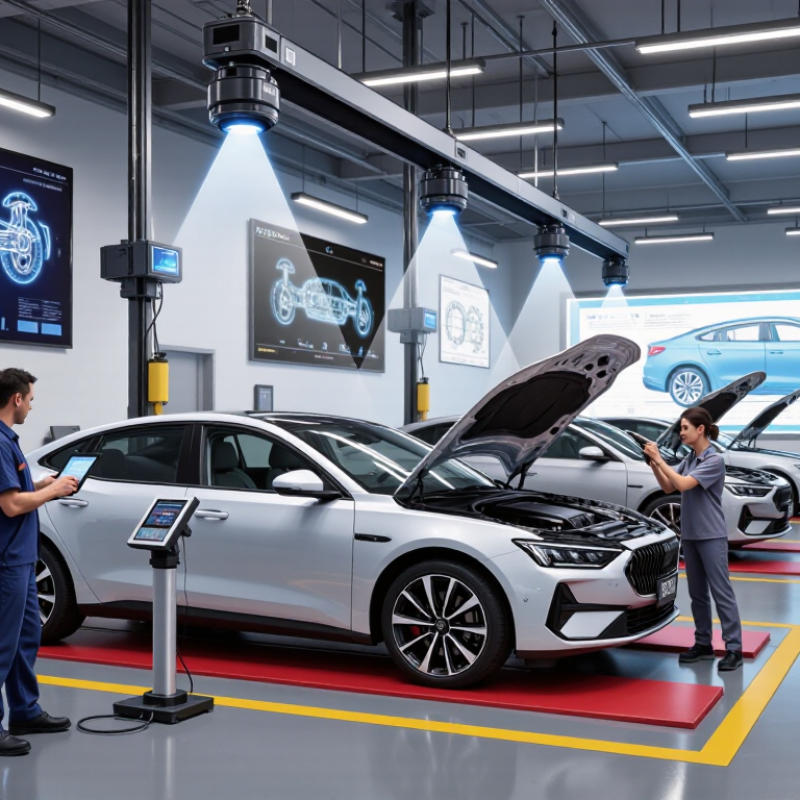
Define the Inspection Goals and Vehicle Types
An intelligent vehicle inspection system should begin with a clear question: what must it detect, record, or verify?
A depot may prioritize tire wear, underbody damage, and repeatable fleet checks. A repair center may need close images of body panels and wheel alignment. Define the required evidence before selecting cameras or sensors. Keep the criteria measurable. A clean image is not always a useful inspection.
Next, identify the vehicles that will pass through the system. Record body style, dimensions, ground clearance, typical load, and powertrain. The European Automobile Manufacturers’ Association reported that EU passenger cars averaged 12.3 years old in 2022 in its Vehicles on European Roads 2024 report. Older vehicles can bring varied wear and inconsistent condition. Meanwhile, the International Energy Agency reported nearly 14 million electric cars sold worldwide in 2023, about 18% of new car sales. That shift makes battery-related checks and safe visual access relevant planning questions. No checklist catches everything. Leave room for unusual configurations, and test with vehicles from the actual fleet; a tidy pilot group can hide gaps.
