
Why Choose a Box Manufacturing Machine for Your Business?
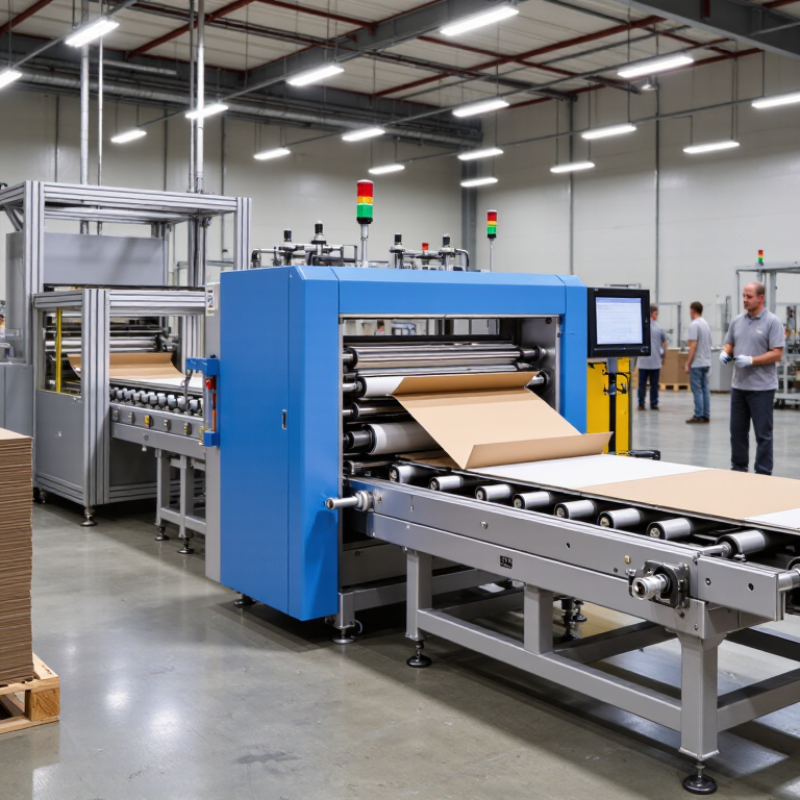
A Box Manufacturing Machine can turn a crowded production floor into a steadier, more predictable operation. It forms boxes to defined dimensions, helping teams reduce repetitive manual work and keep orders moving. Picture a stack of flat corrugated sheets feeding into a machine, then emerging as neatly scored blanks ready for folding. The benefit is tangible. So is the investment.
The right machine depends on what your business actually produces. Consider box styles, board grades, daily volume, changeover time, available floor space, and operator training. A small shop handling varied orders may value quick adjustments more than maximum speed. A high-volume plant may prioritize consistent output and integration with printing or packing equipment. Faster is not always better. Poorly matched capacity can mean idle equipment, extra waste, and maintenance costs that were easy to underestimate.
No source quotation was provided, so the following is an illustrative line, not a verified published quote. Packaging engineer Daniel Mercer might frame the decision this way: “Choose the machine that fits your real mix of boxes, not just your best production day.” That distinction matters. Ask suppliers for demonstrations using your board and box designs, and request clear details on setup, service, training, and expected output. Compare those claims with your own production records. Even a careful estimate can miss a bottleneck. A Box Manufacturing Machine can support growth, but only when its capabilities match daily work and the people running it.
What Is a Box Manufacturing Machine?
Why Choose a Box Manufacturing Machine for Your Business?
What Is a Box Manufacturing Machine?
A box manufacturing machine is equipment that turns flat corrugated board into shipping boxes. Depending on its configuration, it can print, slot, crease, fold, and glue or staple the board. Some production lines combine several steps; others handle only cutting and creasing. Operators feed sheets into the machine, set box dimensions, and check samples before a full run. The result is packaging made to fit a product and packing process, rather than a one-size-fits-all carton. Setup still matters. A poor measurement can waste a whole stack.
The scale of packaging waste makes material choices important. The US Environmental Protection Agency’s 2018 Advancing Sustainable Materials Management report recorded 41.9 million tons of paper and paperboard containers and packaging generated, with 20.9 million tons recycled. This category includes more than corrugated boxes, but it shows why efficient sizing and careful production deserve attention. A box machine can support repeatable cuts and reduce avoidable trim, though actual savings depend on board quality, settings, and operator checks.
Tips: Measure the packed product, including protective padding, before setting box dimensions. Run a small test batch and inspect the creases and corner alignment. Keep one imperfect sample; it can reveal a setup issue that a clean-looking machine display may miss.
| Dimension | What It Means | Typical Information | Why It Matters to Your Business |
|---|---|---|---|
| Definition | A box manufacturing machine is equipment that converts sheet material into box components or finished boxes. | Depending on its configuration, it may feed, print, slot, crease, cut, fold, and join board. | It can bring multiple production steps together and reduce reliance on manual box preparation. |
| Common materials | The machine is selected according to the material and box style being produced. | Corrugated board is widely used for shipping cartons; folding carton equipment processes paperboard. Not every machine handles both. | Matching the machine to the material helps avoid poor feeding, inaccurate converting, and unnecessary equipment costs. |
| Main machine types | Different machines perform different parts of the box-making process. | Examples include flexo folder-gluers, rotary die cutters, flatbed die cutters, and digital cutting systems. | A business can choose a focused machine for a specific operation or a more integrated line for higher throughput. |
| Typical operations | Operations depend on the machine design and production line. | Common operations include feeding, printing, slotting, scoring, die cutting, folding, and gluing or stitching. | Combining compatible operations can shorten production flow and reduce handling between workstations. |
| Production speed | Rated speed describes machine output under specified operating conditions. | Output varies considerably by machine type, box size, board grade, setup, and operator. Manufacturer ratings should be checked against the intended job. | Actual usable output—not just a headline speed—helps determine whether the machine can meet delivery schedules. |
| Box size and style | Each machine has limits for blank dimensions, board thickness, and box construction. | Confirm minimum and maximum sheet or blank sizes, as well as compatibility with the required box designs. | Checking these limits before purchase helps ensure the equipment can produce the products customers order. |
| Setup and changeovers | Setup includes adjusting guides, tooling, print units, and other settings for a production job. | Changeover time varies by machine, job complexity, tooling, and level of automation. | Shorter changeovers can be especially valuable for businesses producing many box styles or smaller batches. |
| Automation and labor | Automation may support feeding, adjustment, inspection, stacking, or material handling. | Automation levels differ; even automated equipment generally requires trained operators and routine supervision. | Consider labor availability, operator training, and the tasks that automation will realistically reduce. |
| Quality and consistency | Machine condition, setup, material quality, and process control all affect finished boxes. | Useful checks include cut and crease accuracy, print registration, folding alignment, and joint strength. | Consistent output can reduce rejects, rework, and customer complaints. |
| Space and utilities | Installation requirements include the machine footprint and supporting services. | Review layout, access for material movement, electrical supply, compressed air requirements, and maintenance clearance. | Planning the production area in advance can prevent installation delays and workflow bottlenecks. |
| Operating costs | Total cost includes more than the purchase price. | Account for tooling, consumables, energy, maintenance, training, spare parts, and downtime. | A full cost comparison gives a more realistic view of long-term value and production cost per box. |
| Best-fit use | The right machine depends on the business’s production mix and volume. | Compare current and forecast demand, order sizes, box styles, material specifications, and in-house capabilities. | A well-matched machine can support dependable production without paying for capacity or features that are not needed. |
| Important note | Specifications are not interchangeable across machine models. | Treat speed, size limits, and material compatibility as machine-specific. Confirm them with a technical specification sheet and a representative production trial. | A trial using your materials and box designs provides a more reliable basis for purchase decisions. |
