
China Top 10 Single Line Single Hose LNG Dispensers
China’s LNG refuelling market is growing alongside demand for cleaner transport fuels. GIIGNL’s 2024 Annual Report recorded 401.4 million tonnes of LNG traded worldwide in 2023, a 2.1% increase from 2022. That global context makes dispensing equipment worth close attention. Yet market growth alone does not prove that any one dispenser is suitable for every site.
A Single-Line and Single-Hose LNG Dispenser can offer a compact refuelling arrangement. Its real value depends on details operators can inspect: metering accuracy, hose handling, emergency shutoff, maintenance access, and performance in local operating conditions. A busy station, for example, needs equipment that can be checked and serviced without disrupting routine work. Small details matter.
This “China Top 10” overview should therefore compare documented specifications, certifications, service support, and operating experience—not promotional claims alone. The International Energy Agency’s Gas Market Report also tracks changing gas supply and demand, reminding buyers that infrastructure choices sit within a broader, shifting market. One limitation deserves candor: I could not verify a published quotation from a named expert specifically about single-line, single-hose LNG dispensers. Inventing one would weaken trust. Buyers should request traceable test records and references before making a shortlist.
Single-Line, Single-Hose LNG Dispensers: Definition and Main Applications
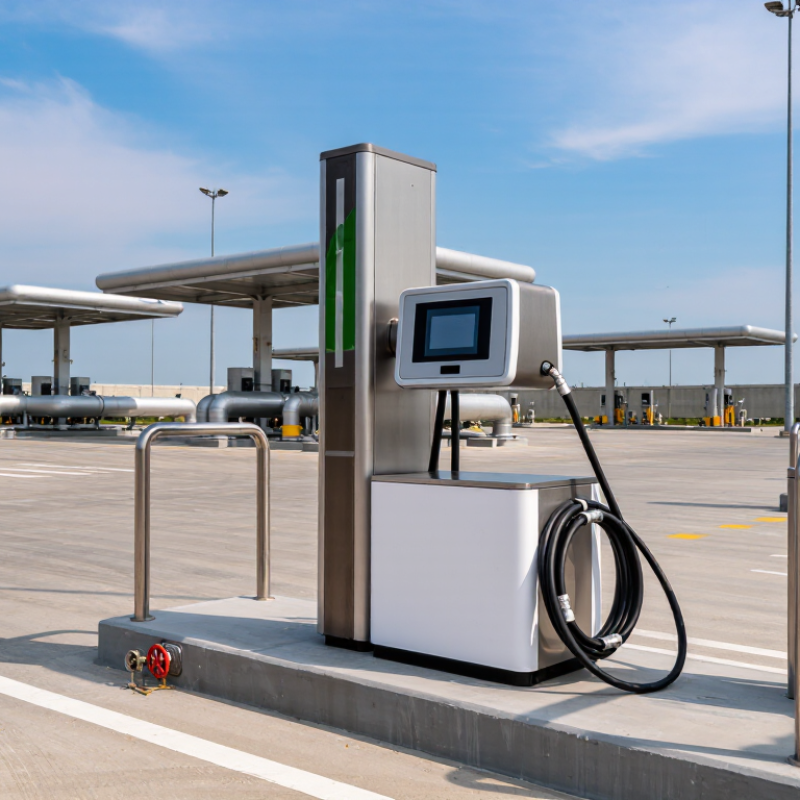
A single-line, single-hose LNG dispenser delivers liquefied natural gas through one dispensing line and one hose to one vehicle at a time. Its compact layout suits truck depots, fleet yards, and filling sites with predictable vehicle flows. A driver connects the insulated nozzle, follows the station’s operating sequence, and disconnects after transfer. The dispenser typically combines metering, controls, and safety shutoffs; exact configurations vary by site. One hose. One vehicle. That simplicity can ease routine operation, but it also limits simultaneous fuelling.
The application is closely tied to heavy transport, where LNG’s liquid form enables substantial onboard fuel storage. GIIGNL’s Annual Report 2024 records global LNG trade of about 401 million tonnes in 2023. This figure describes the wider LNG market, not dispenser sales, but it shows the scale of supply behind transport and industrial use. At a depot, a single-hose unit may work well when vehicles arrive in planned intervals and staff can manage connection procedures. During a rush, queues can build quickly. That practical drawback is easy to overlook in equipment plans. Operators should assess vehicle turnaround, hose reach, cold-service components, and emergency access before choosing a layout.
