
China Top Tungsten Alloy Vibration Absorber Supplier?
A reliable China-based supplier of Tungsten Alloy Vibration Absorber components should offer more than a low price and a polished catalogue. Buyers need clear evidence of material composition, manufacturing controls, and performance testing. A sample may look dense and precisely machined, yet still behave differently under repeated vibration. Small details matter: alloy grade, dimensions, surface finish, and the conditions used during testing.
This introduction examines how to assess suppliers with practical questions, not broad promises. Can the manufacturer provide inspection records? Does it explain how absorber mass and geometry suit the application? Are tolerances confirmed before production? These checks help engineers compare offers fairly. They also reveal where a supplier’s documentation is thin. That matters.
A named expert quotation should be verified before publication. No source material here confirms a specific statement by a Tungsten Alloy Vibration Absorber specialist, so inventing one would undermine trust. Instead, this guide focuses on verifiable supplier evidence and engineering considerations. A careful comparison can narrow the field. It cannot replace testing in the intended assembly. Supplier claims deserve scrutiny, including claims that sound convincing.
What Defines a China-Based Tungsten Alloy Vibration Absorber Supplier?
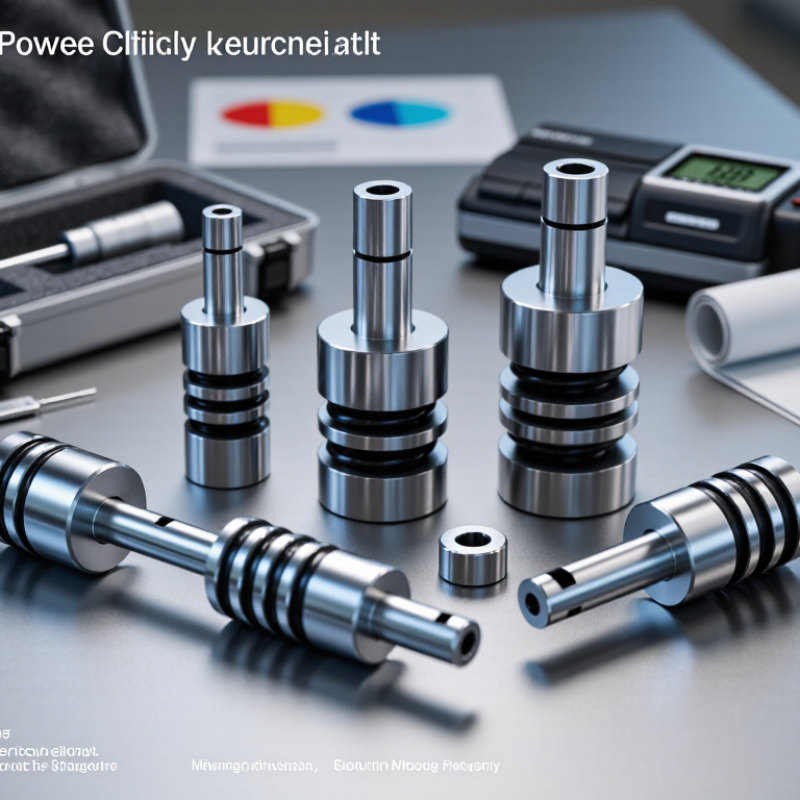
A China-based tungsten alloy vibration absorber supplier is defined by more than its factory address. It should understand how density, geometry, and mounting conditions shape vibration response. In practical work, engineers may compare a compact counterweight with a tuned absorber, then adjust mass or placement after testing. Small changes matter. A supplier worth evaluating can discuss these trade-offs clearly, request operating-speed and space limits, and explain which measurements support its recommendations. It should provide material certificates, dimensional inspection records, and repeatable test results for the actual part, not just a generic sample.
Manufacturing capability also shows in the details: controlled powder processing, stable sintering, accurate machining, and a finish suited to the assembly. Ask how batches are tracked and how defects are handled. Clear communication matters when a drawing changes or a prototype misses its target. Not every supplier has the same testing equipment, and a catalog alone proves little. This is worth remembering. A credible partner states its limits, shares relevant evidence, and works with the customer to refine the absorber through measured trials. Cost and delivery matter, but neither should replace technical fit and traceability.
